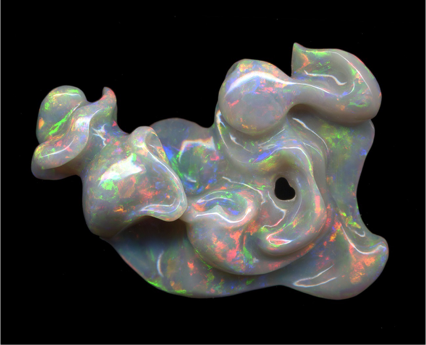
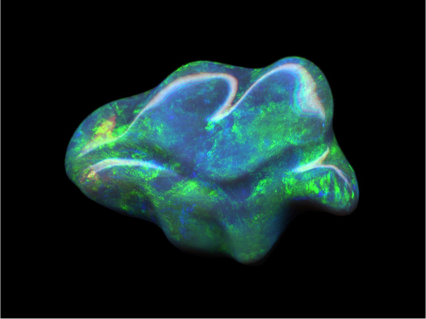
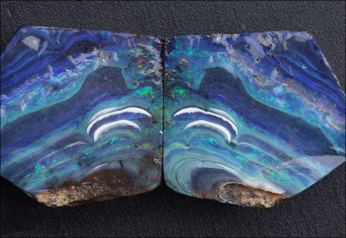
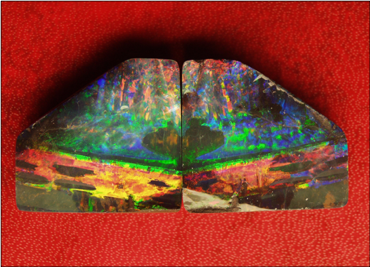
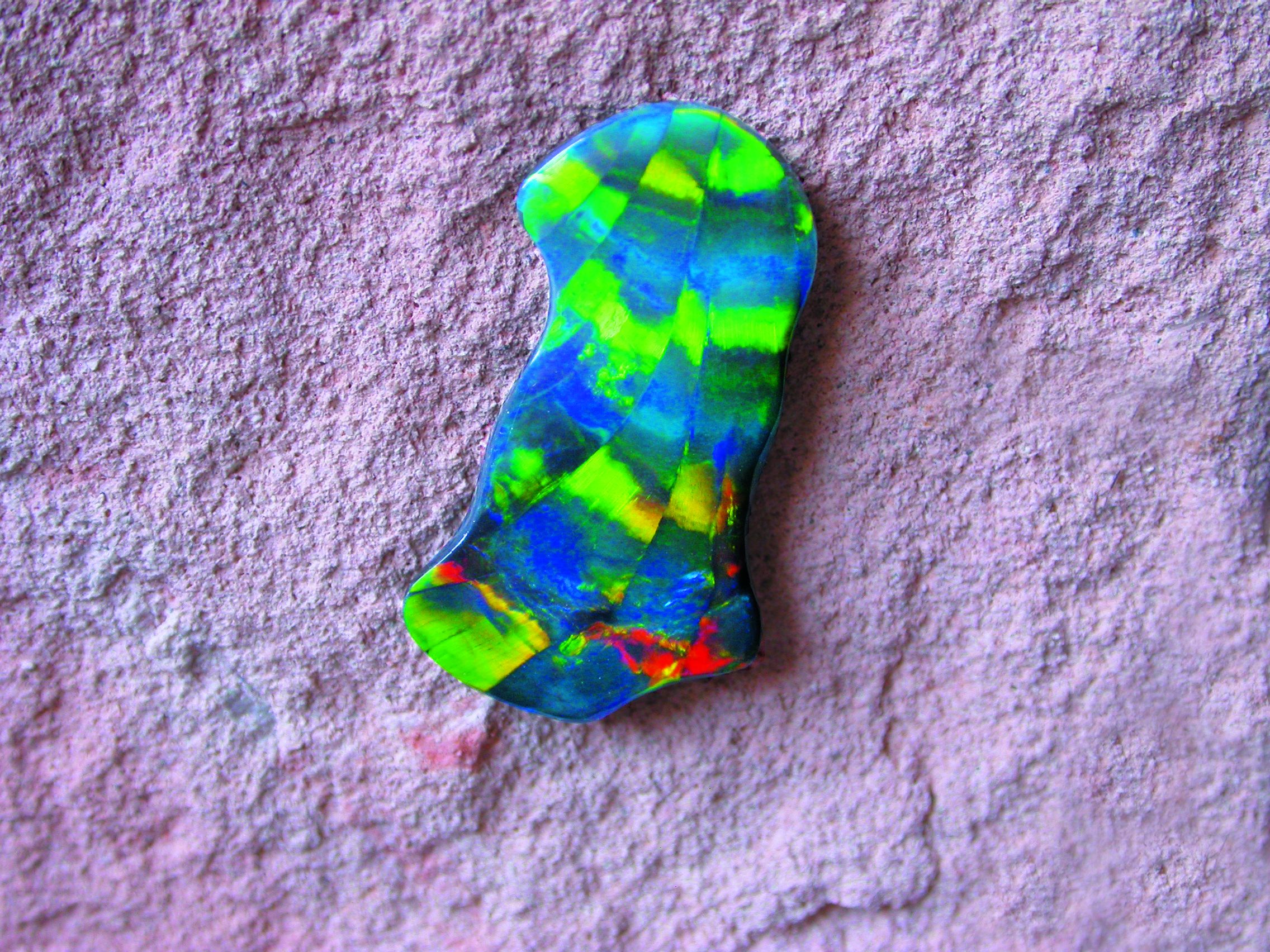
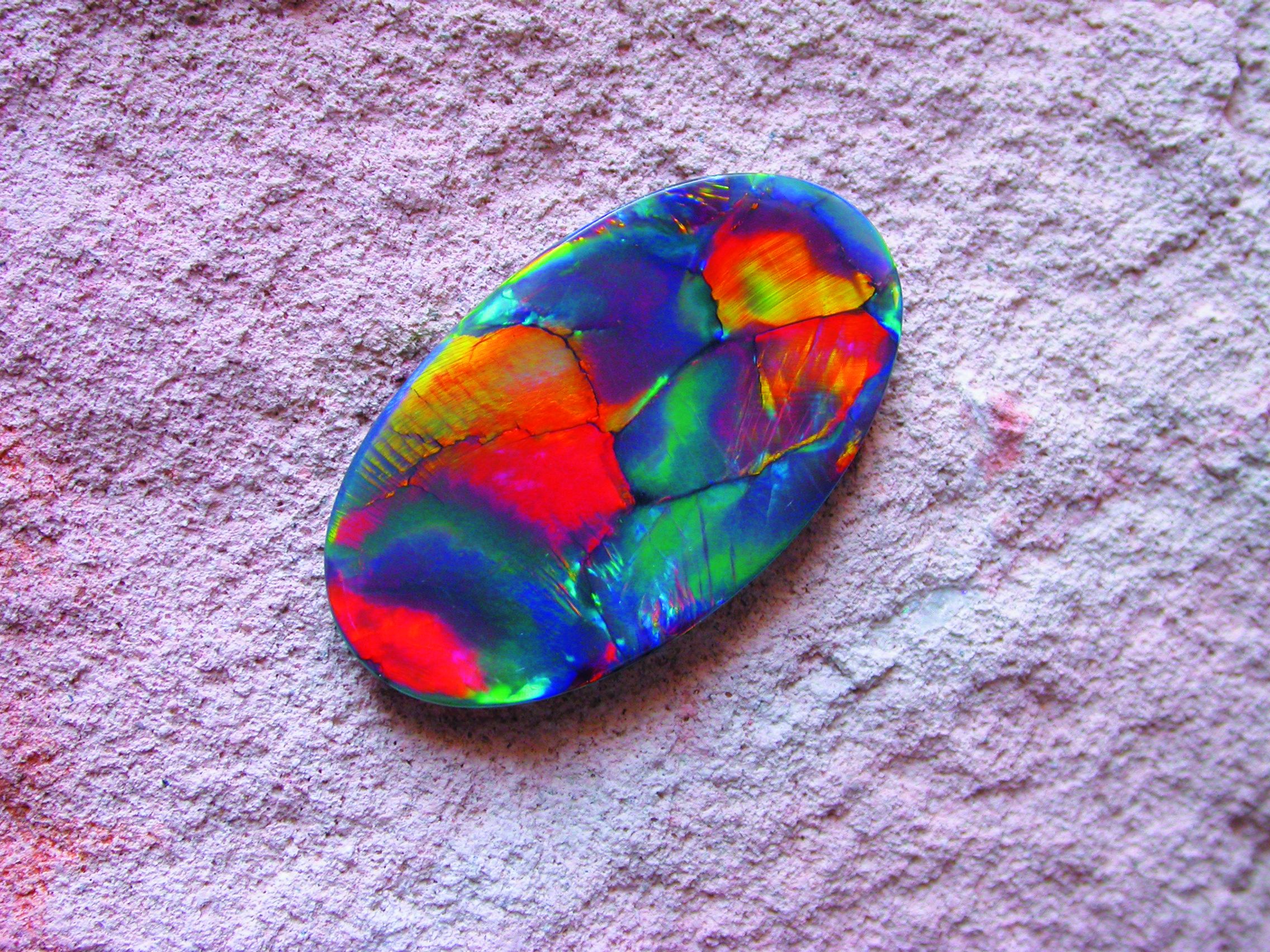
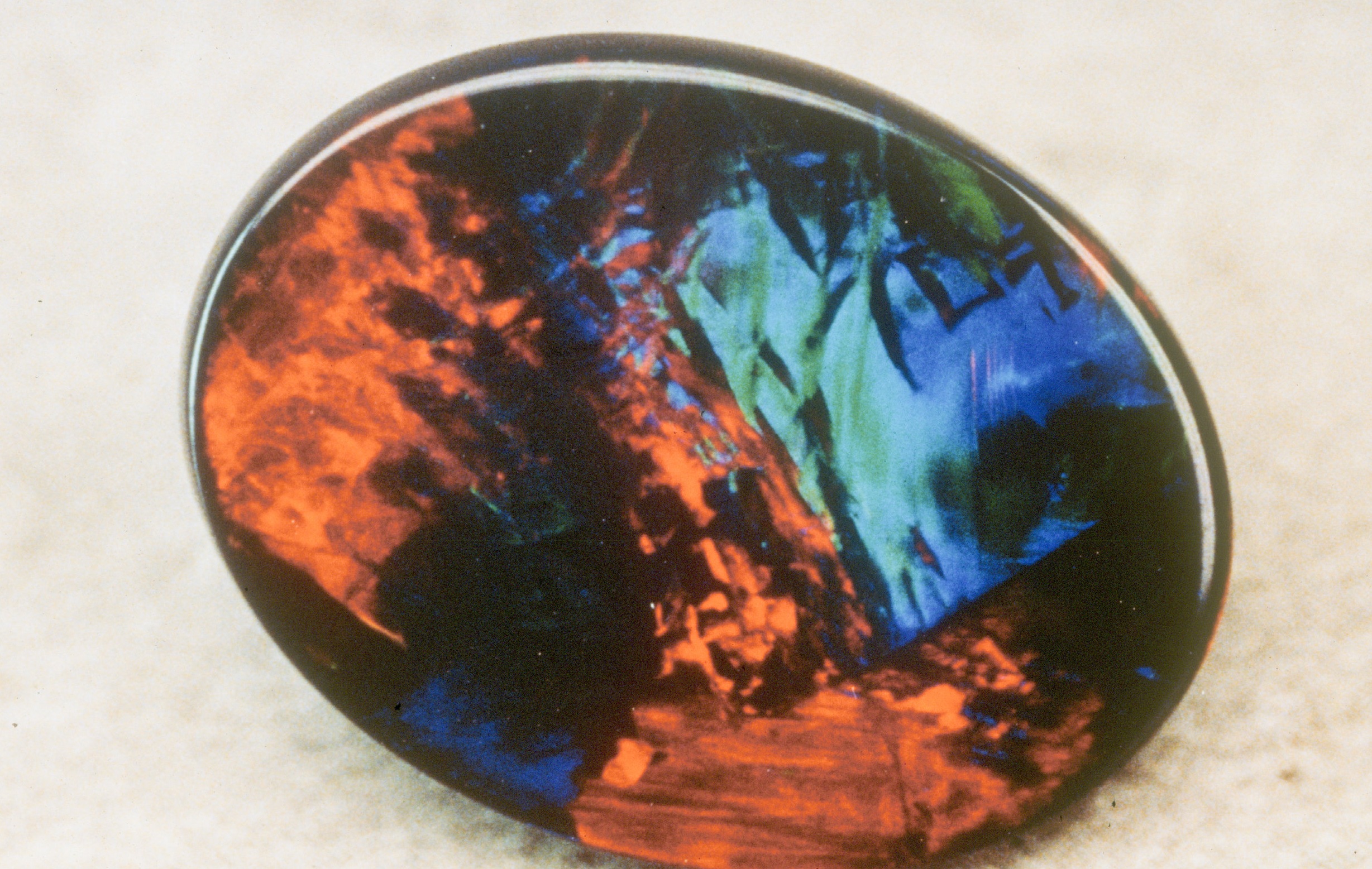
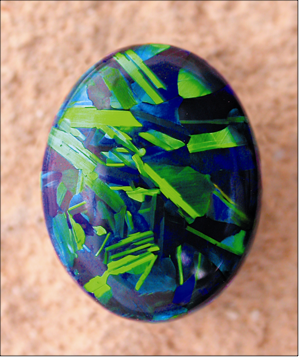
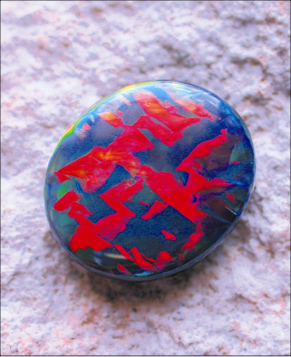
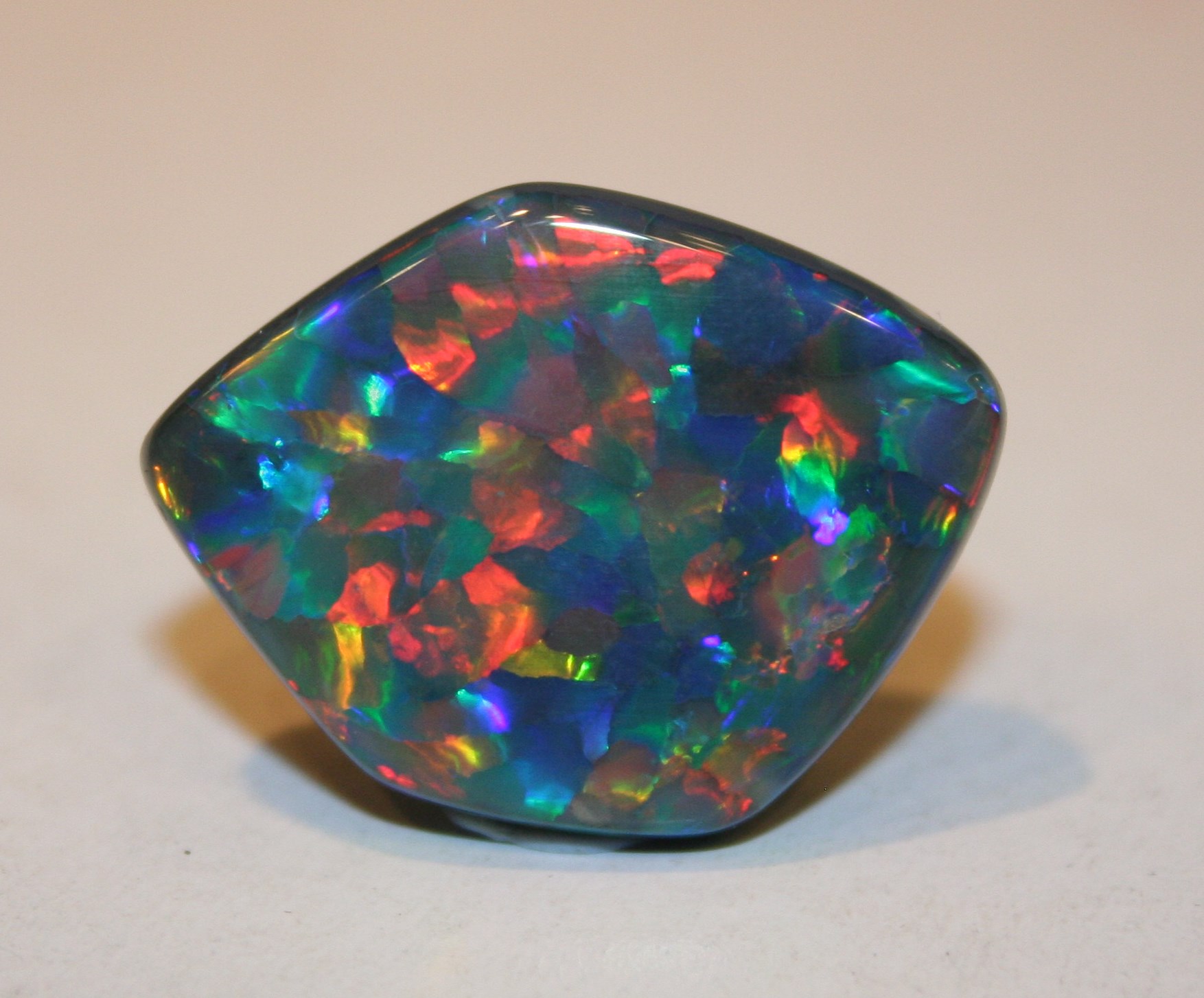
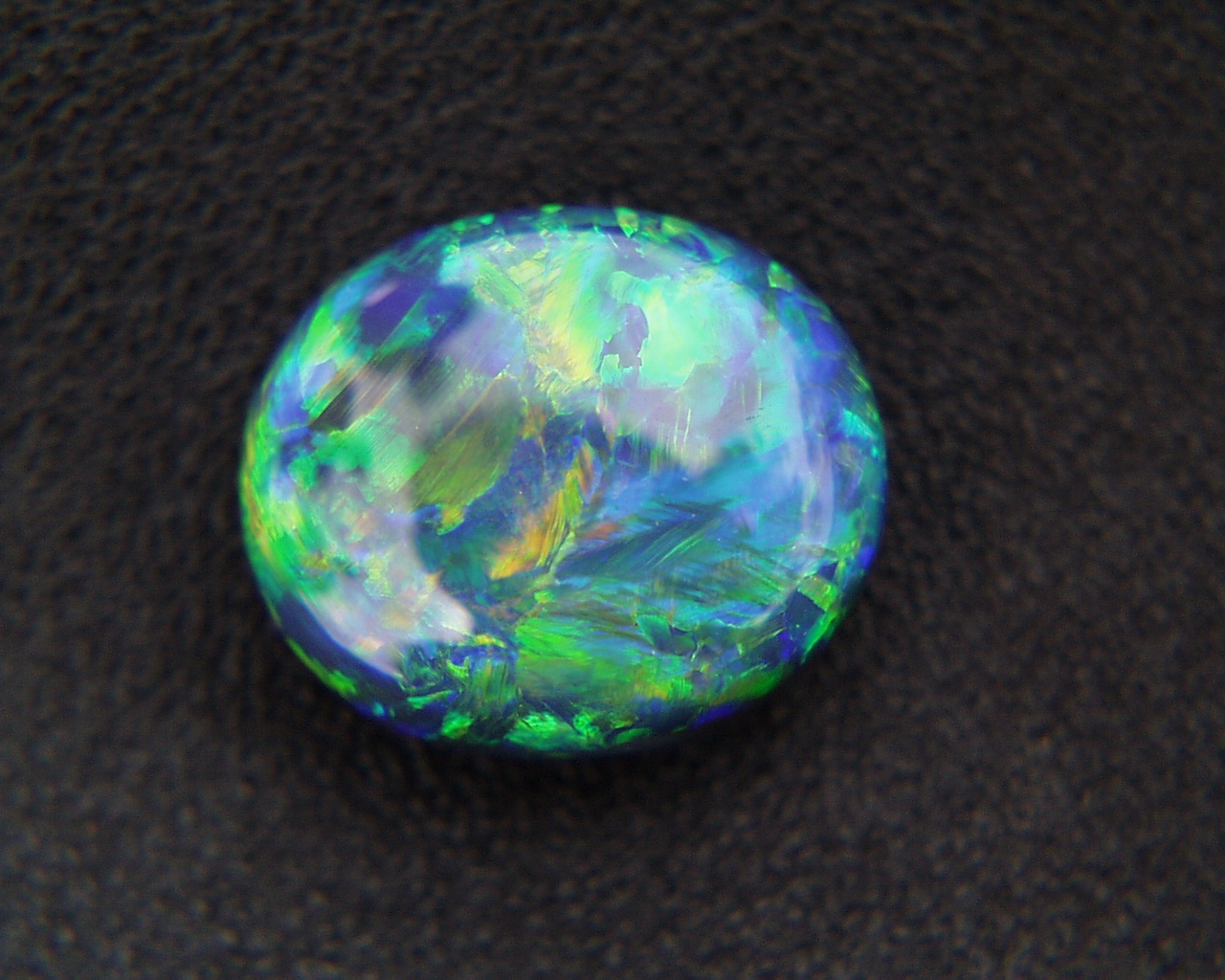
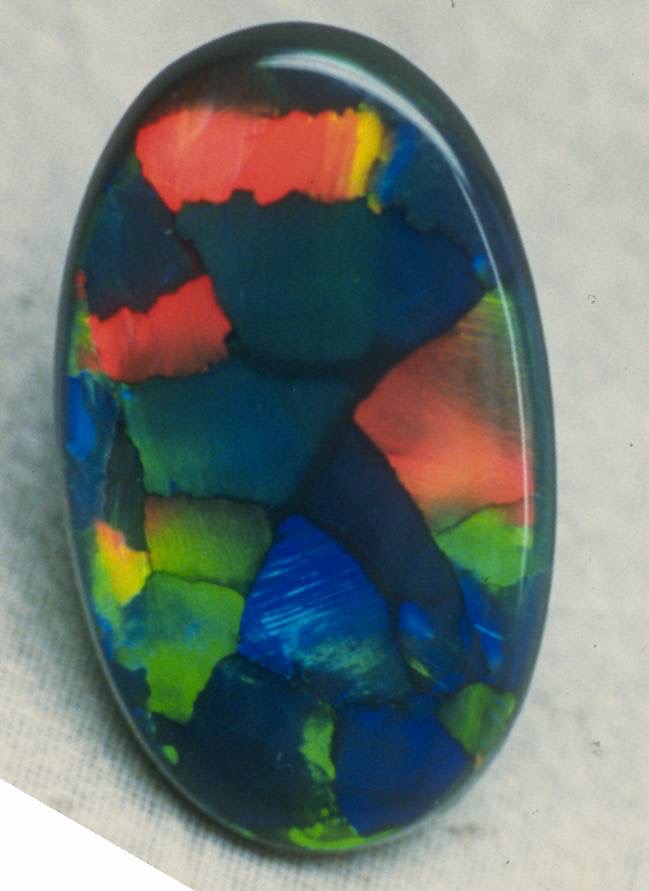
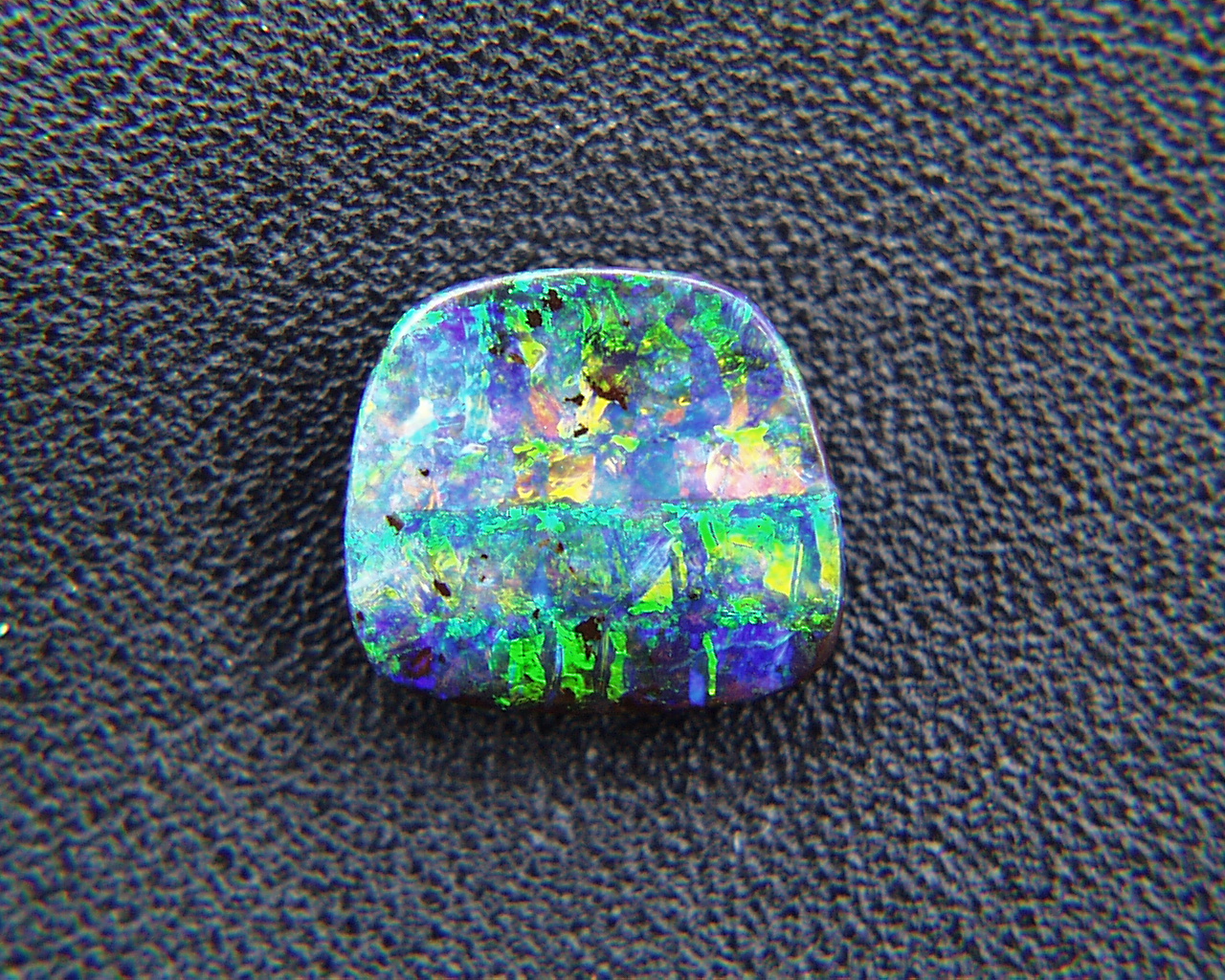
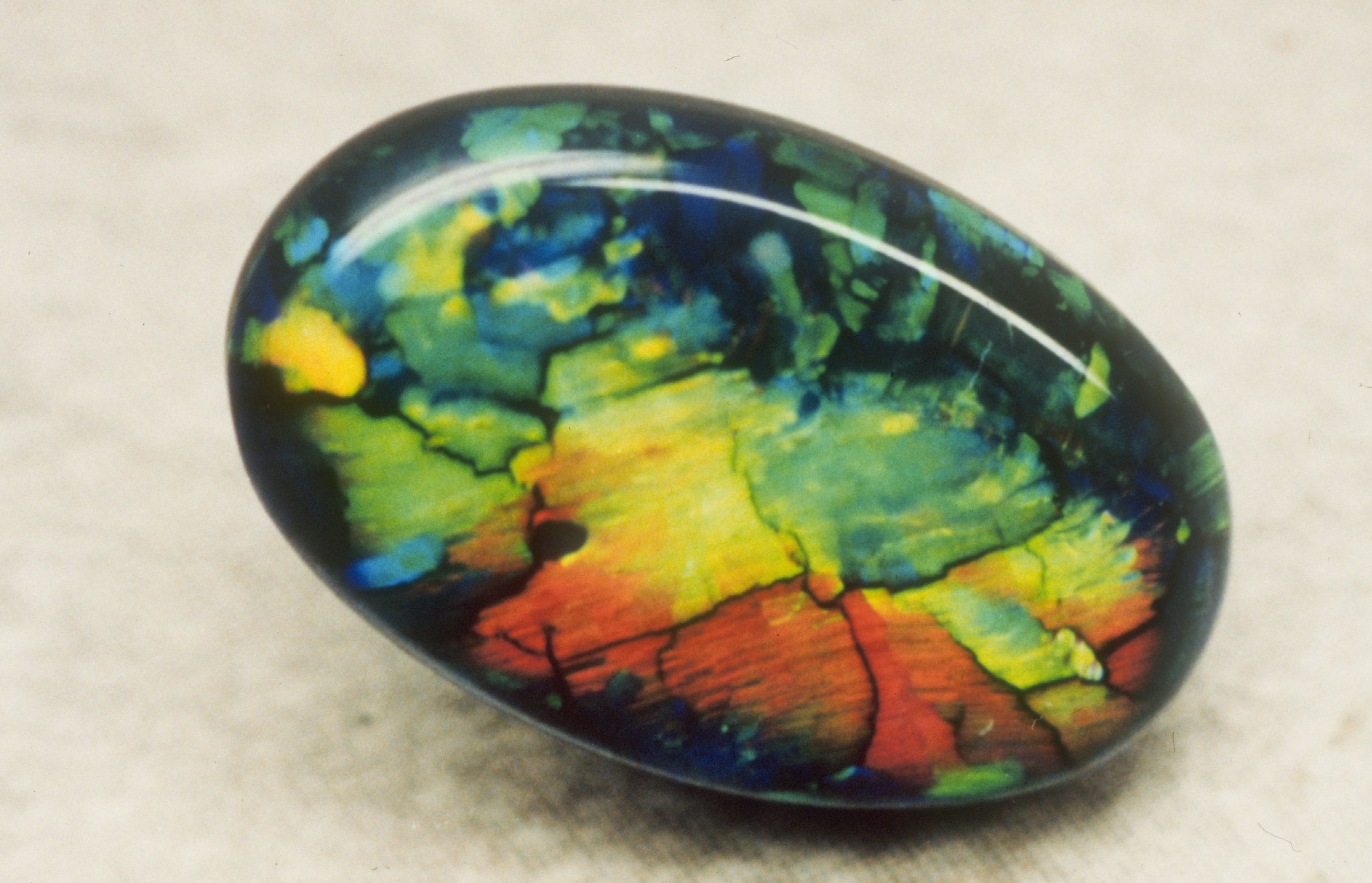
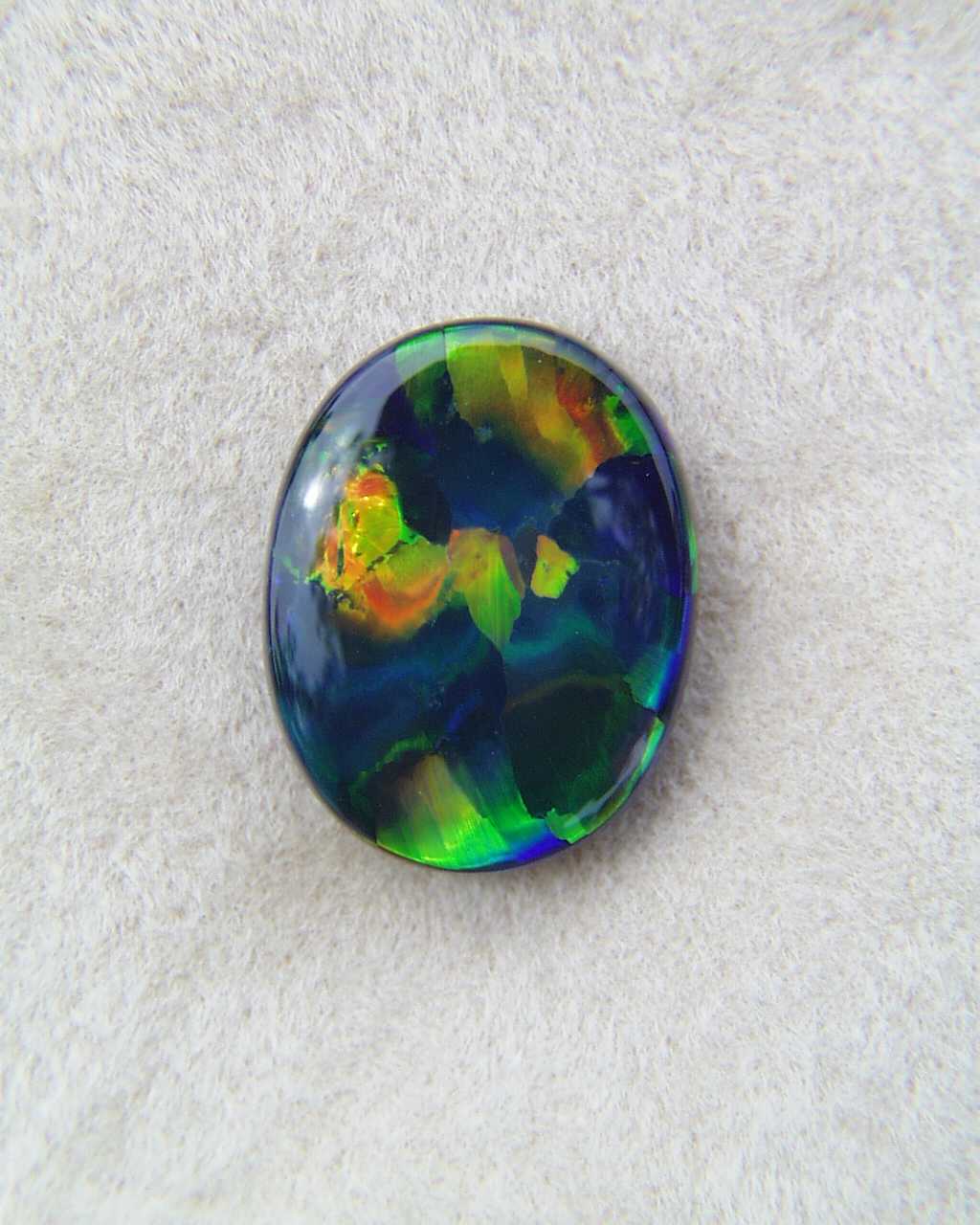
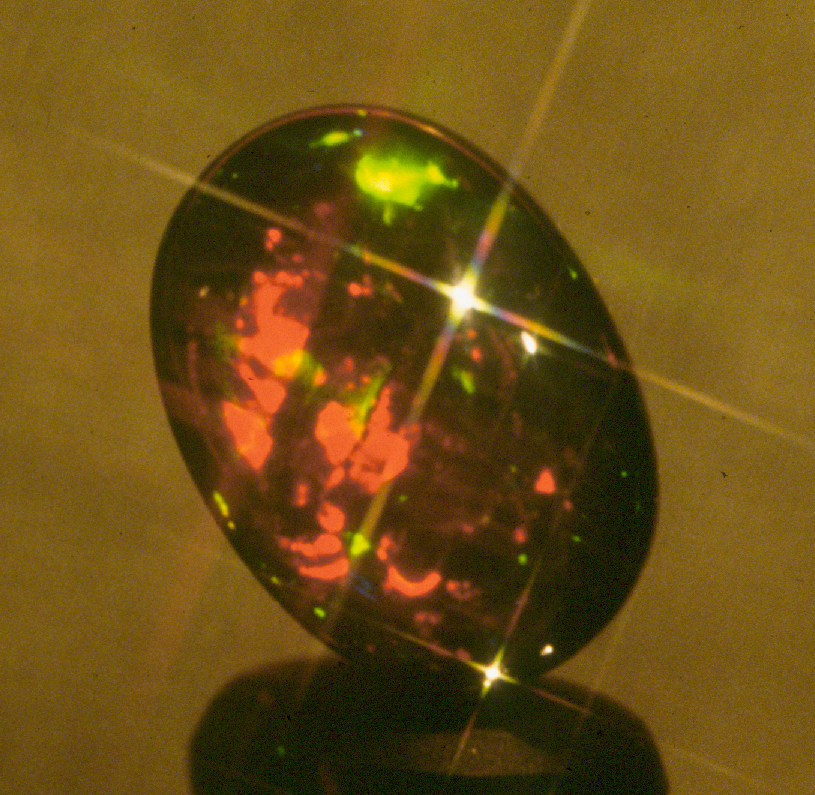
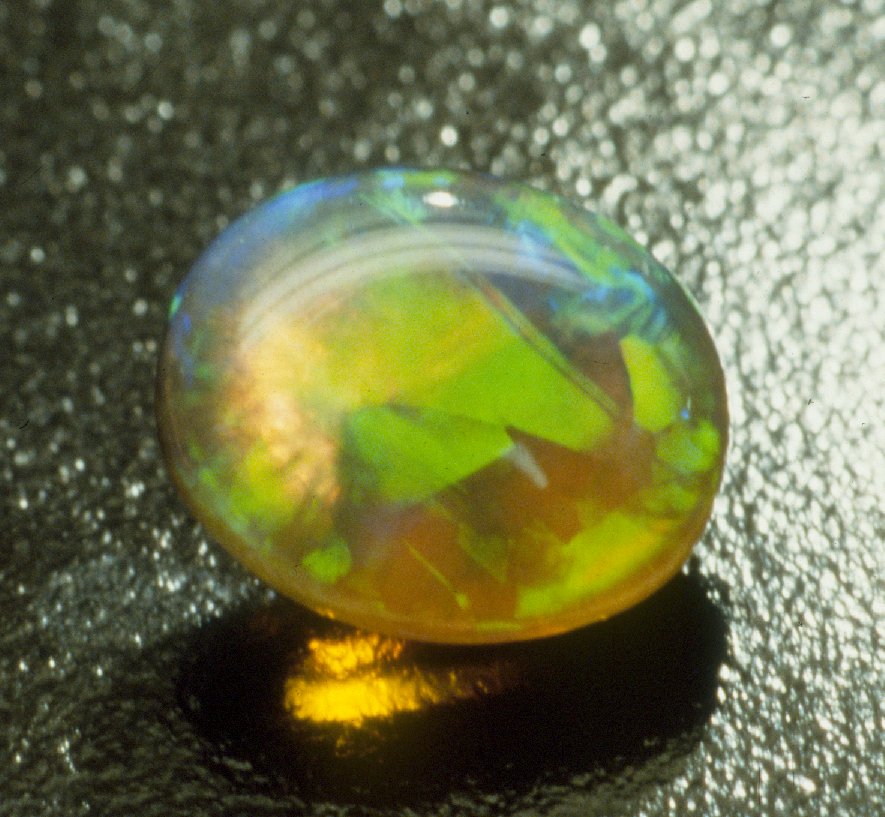
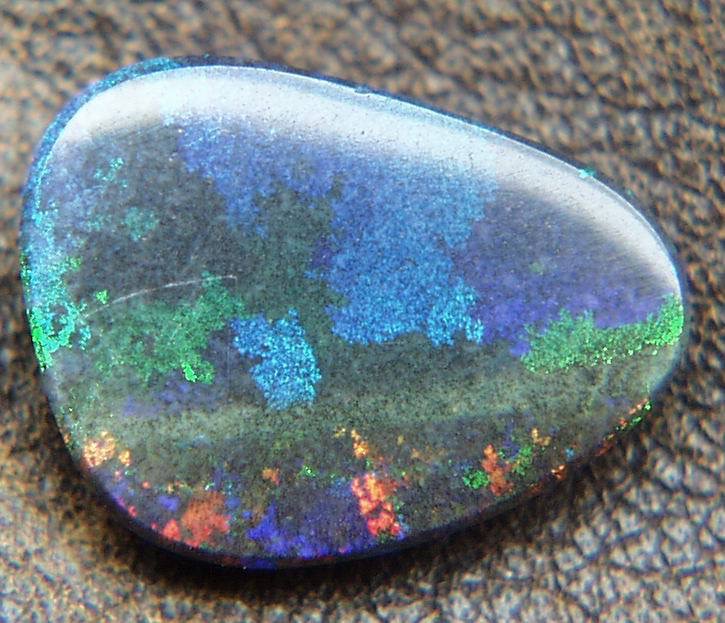
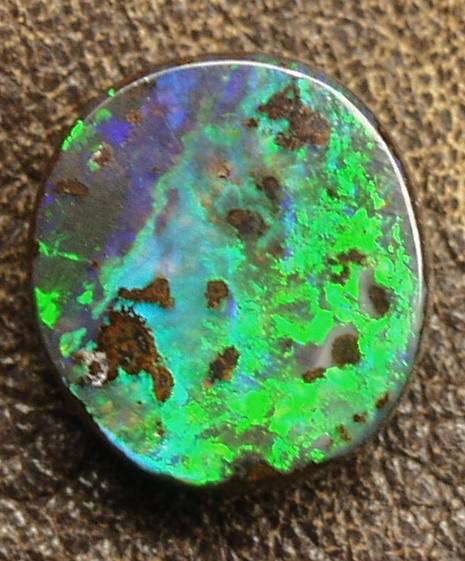
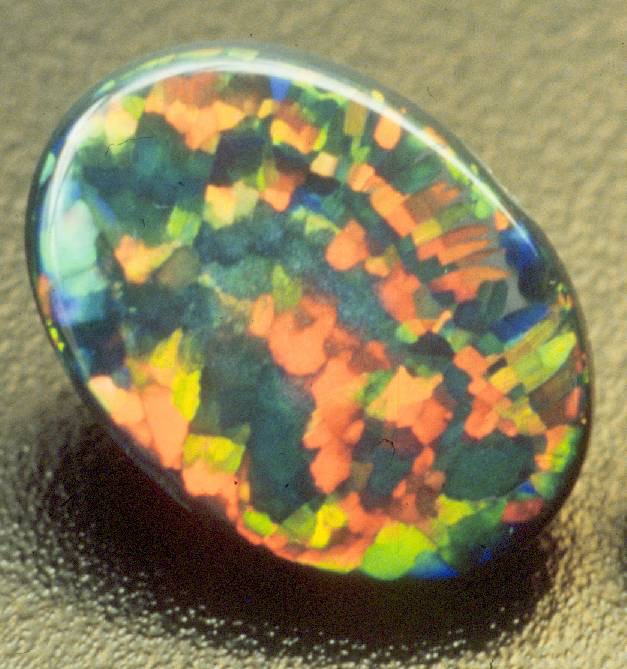
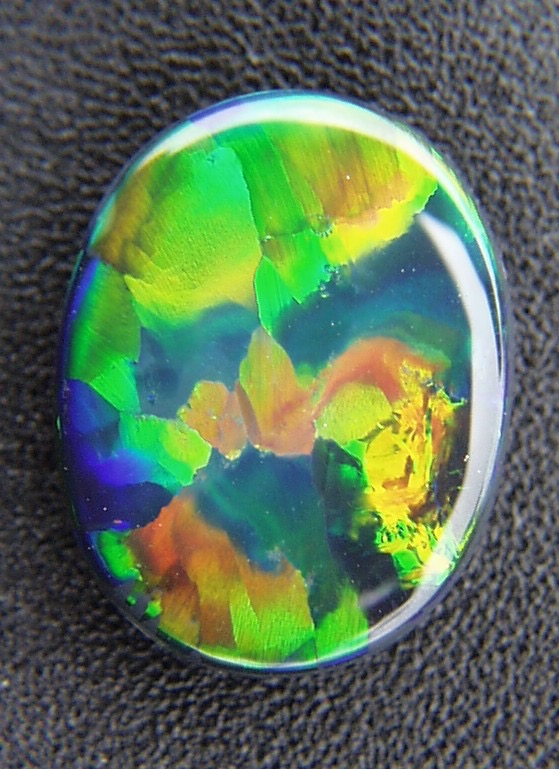
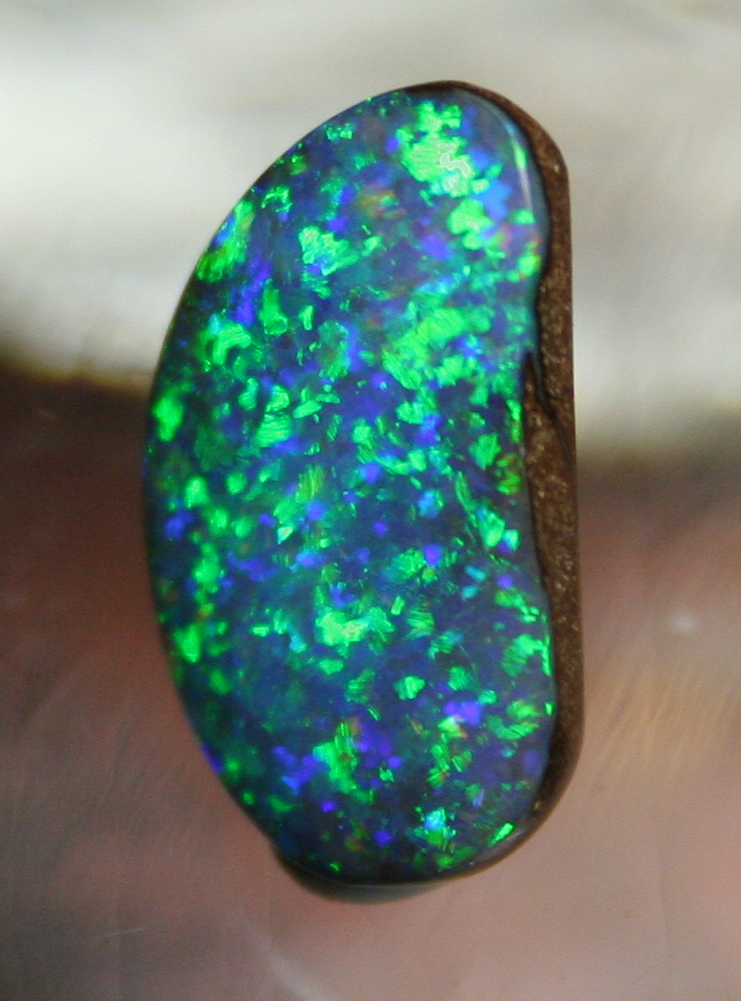
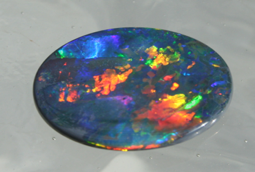
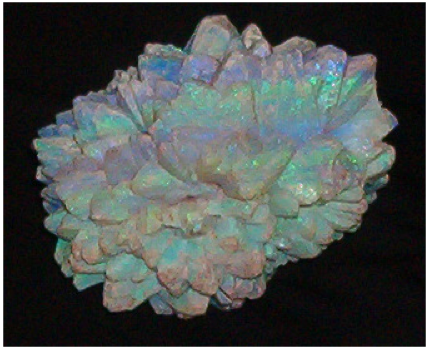
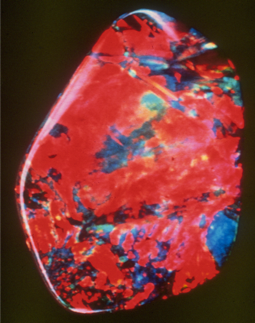
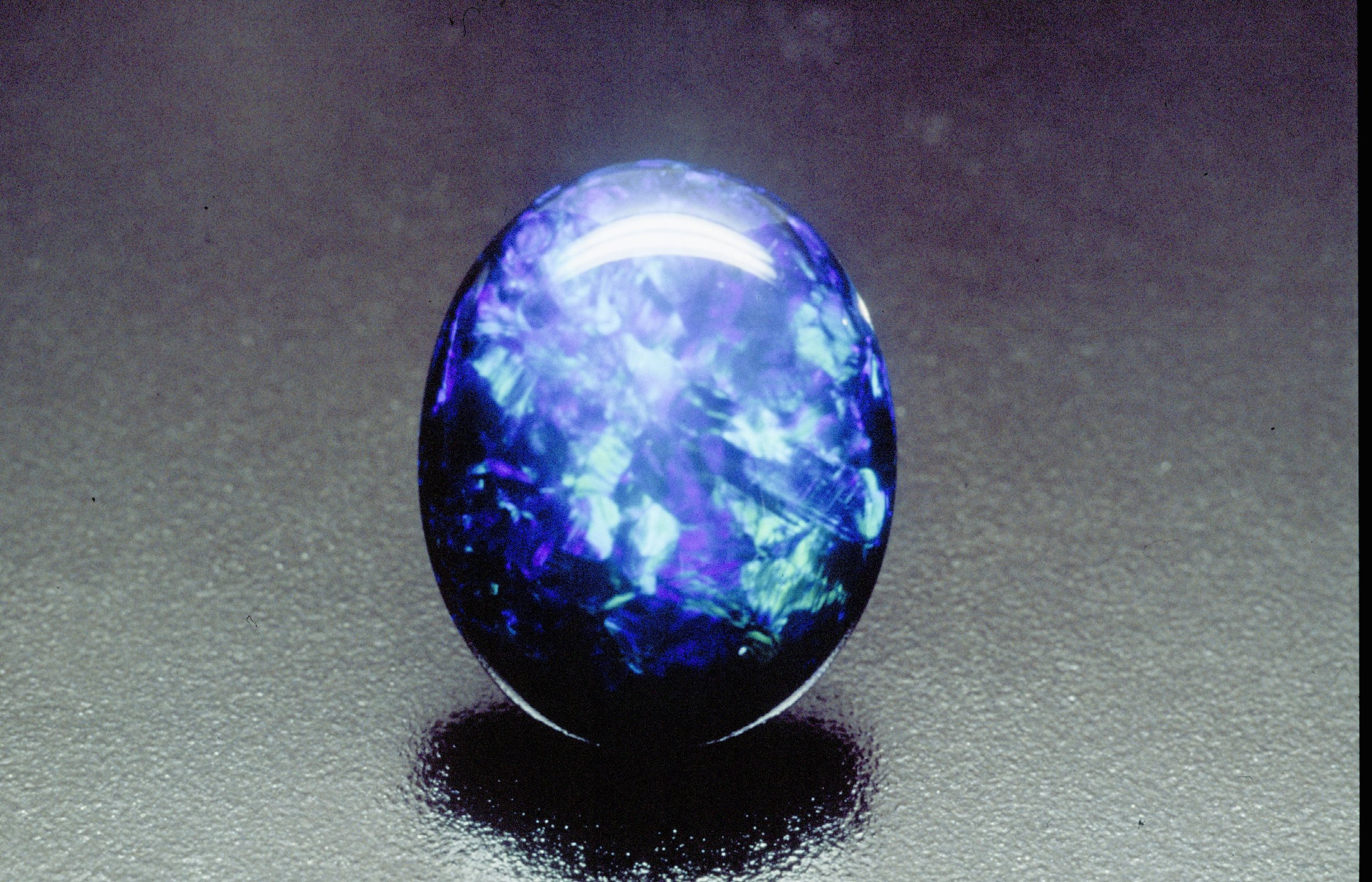
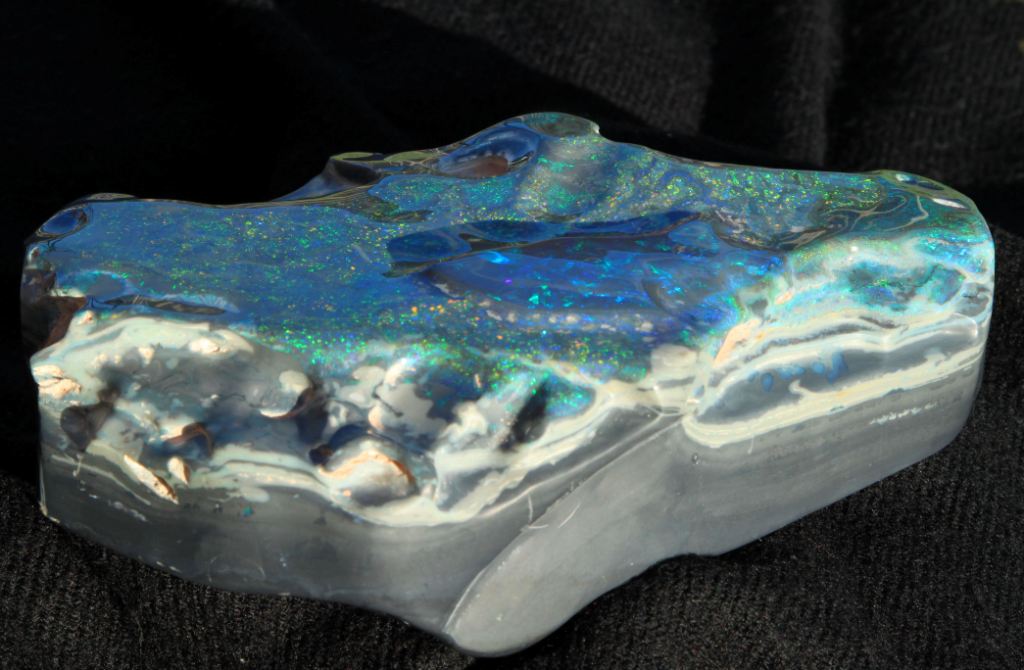
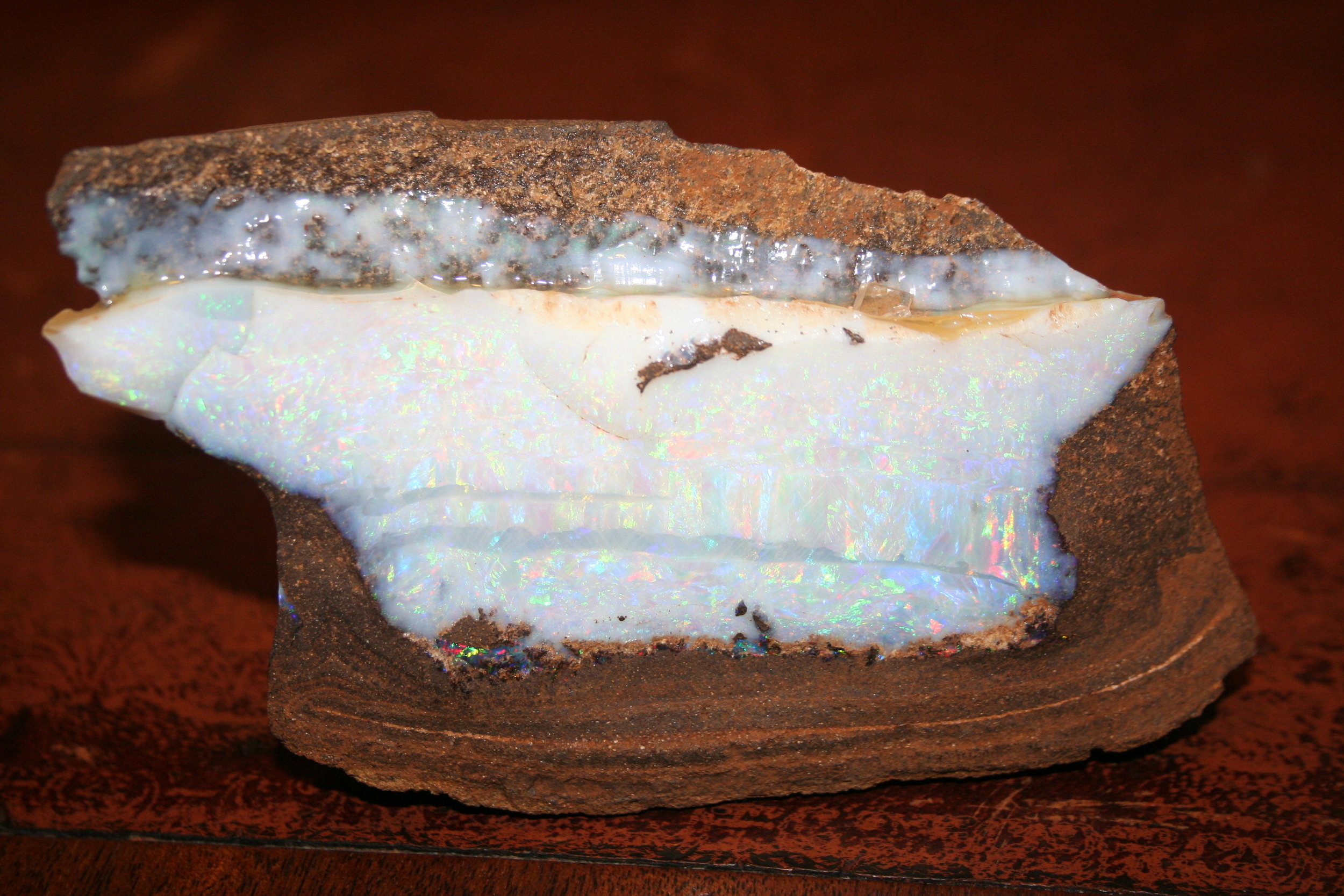
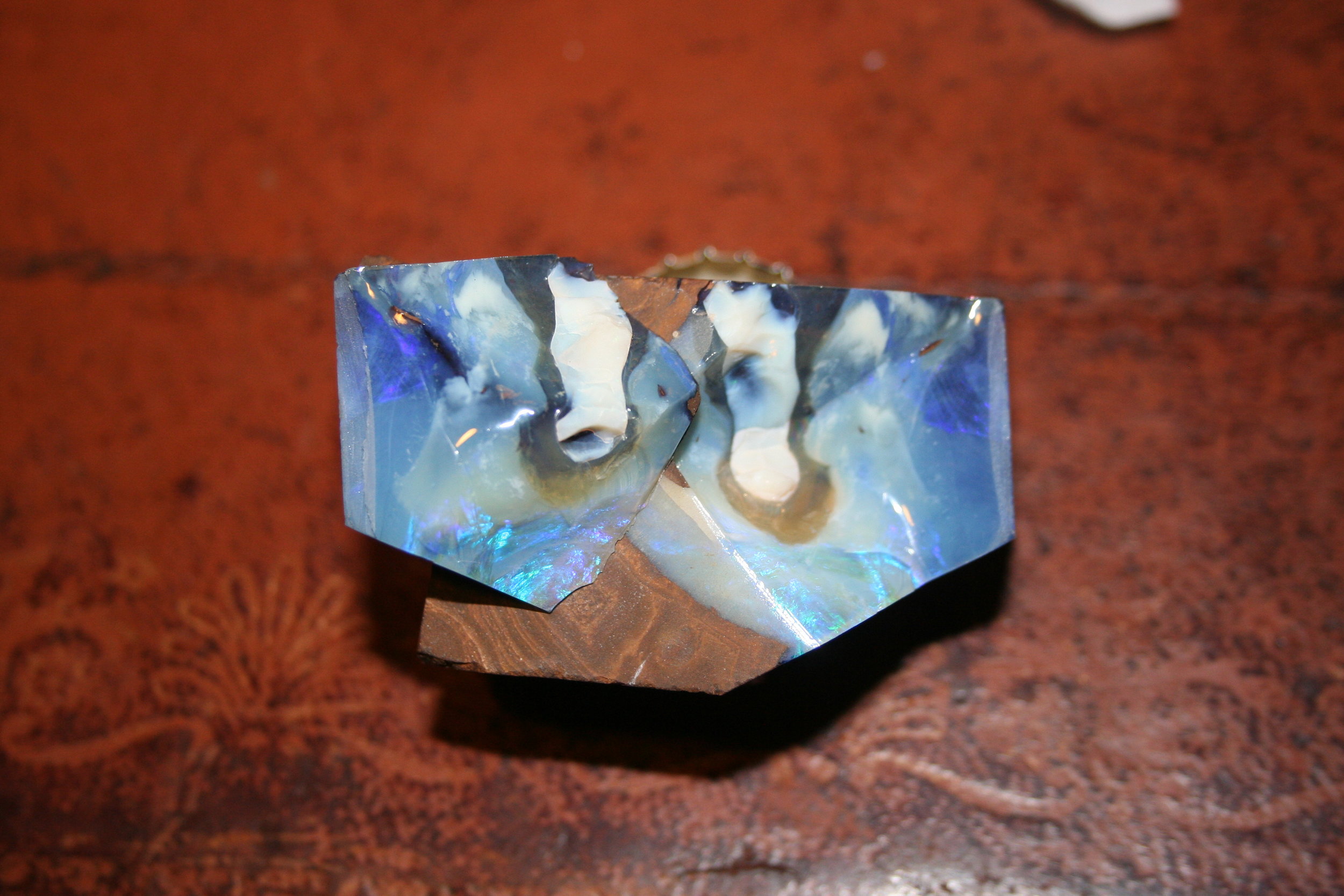
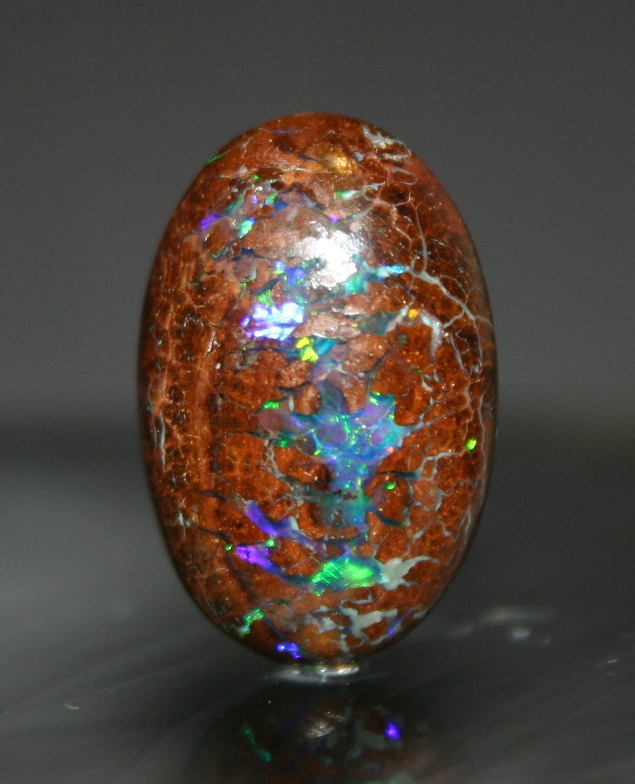
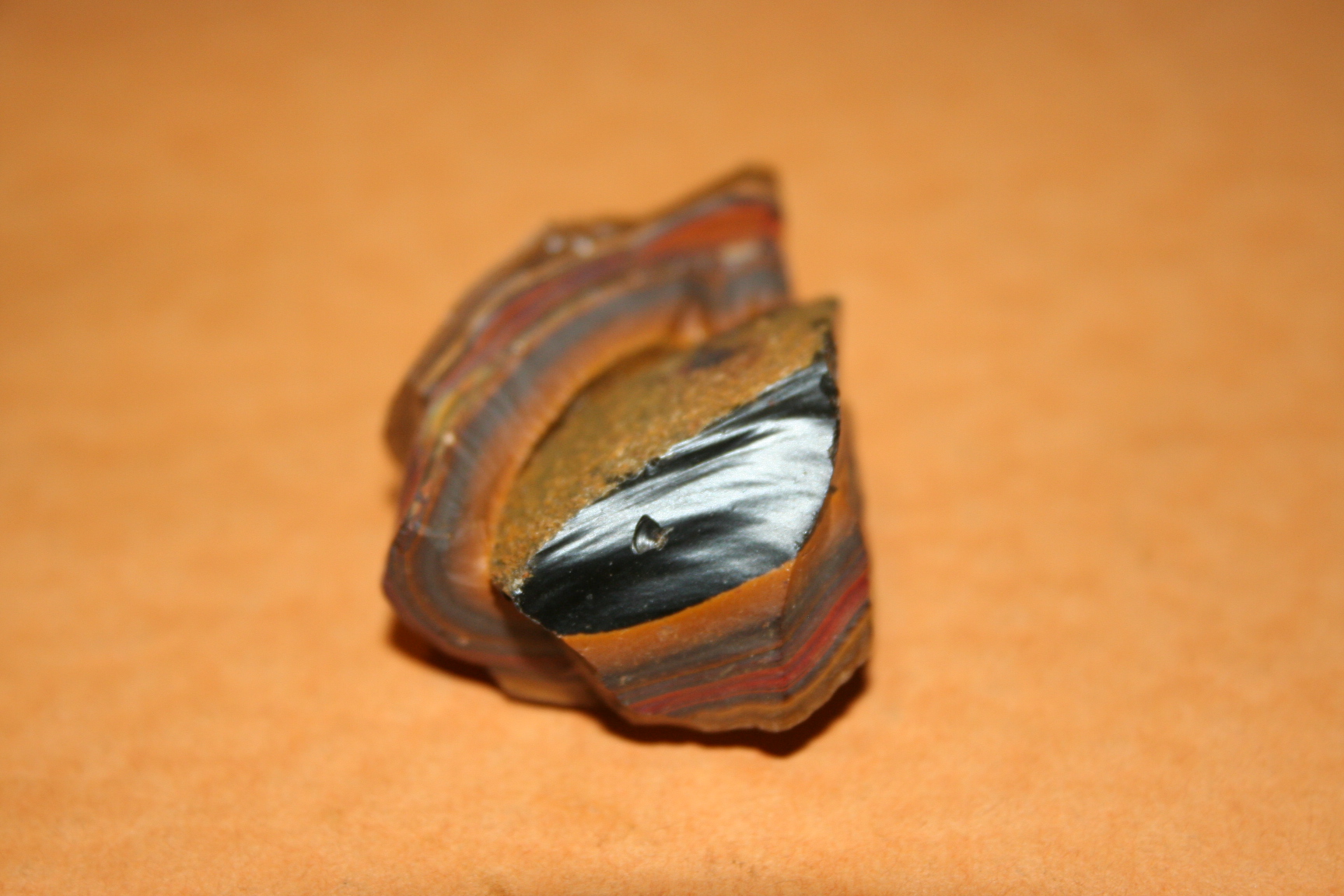
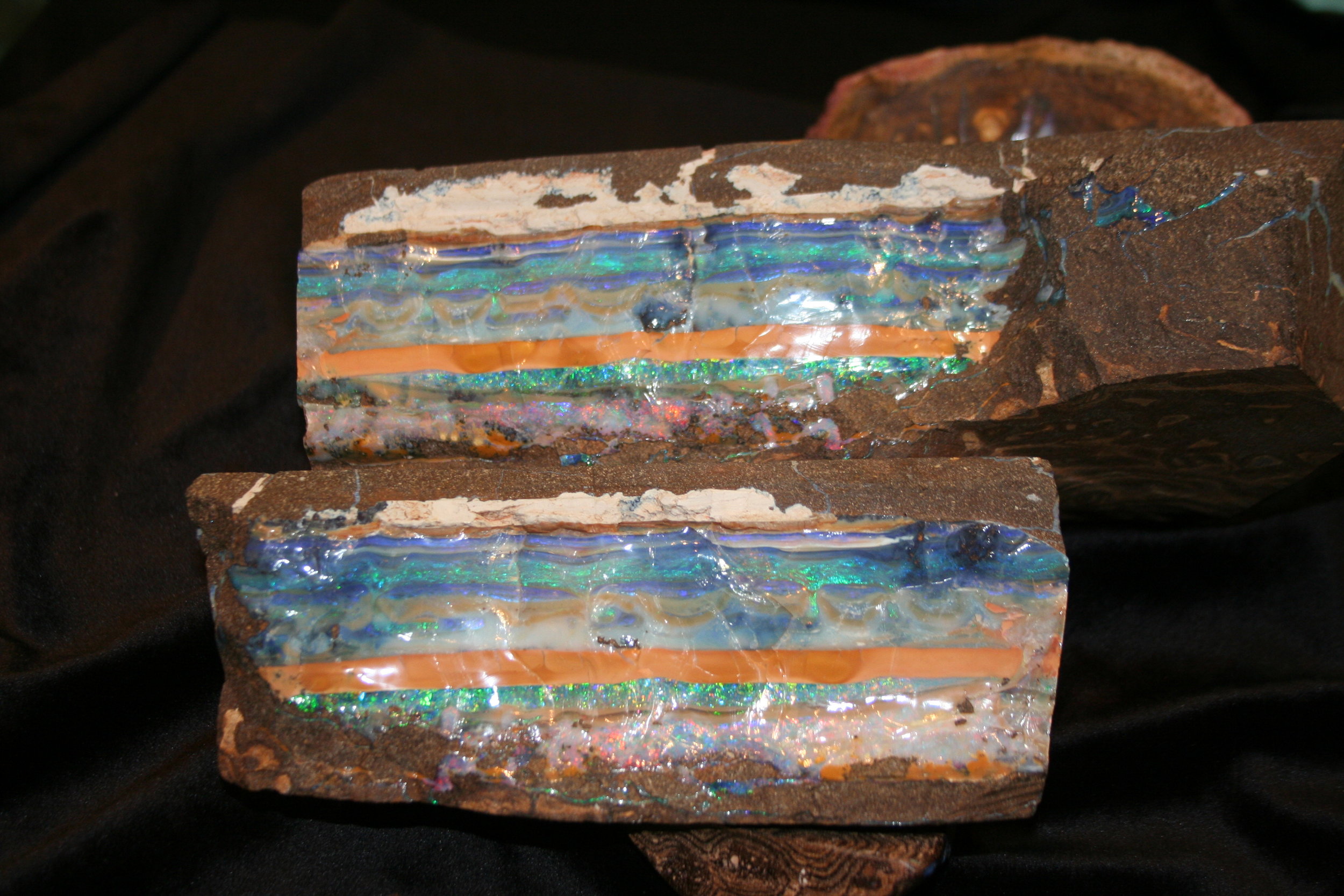
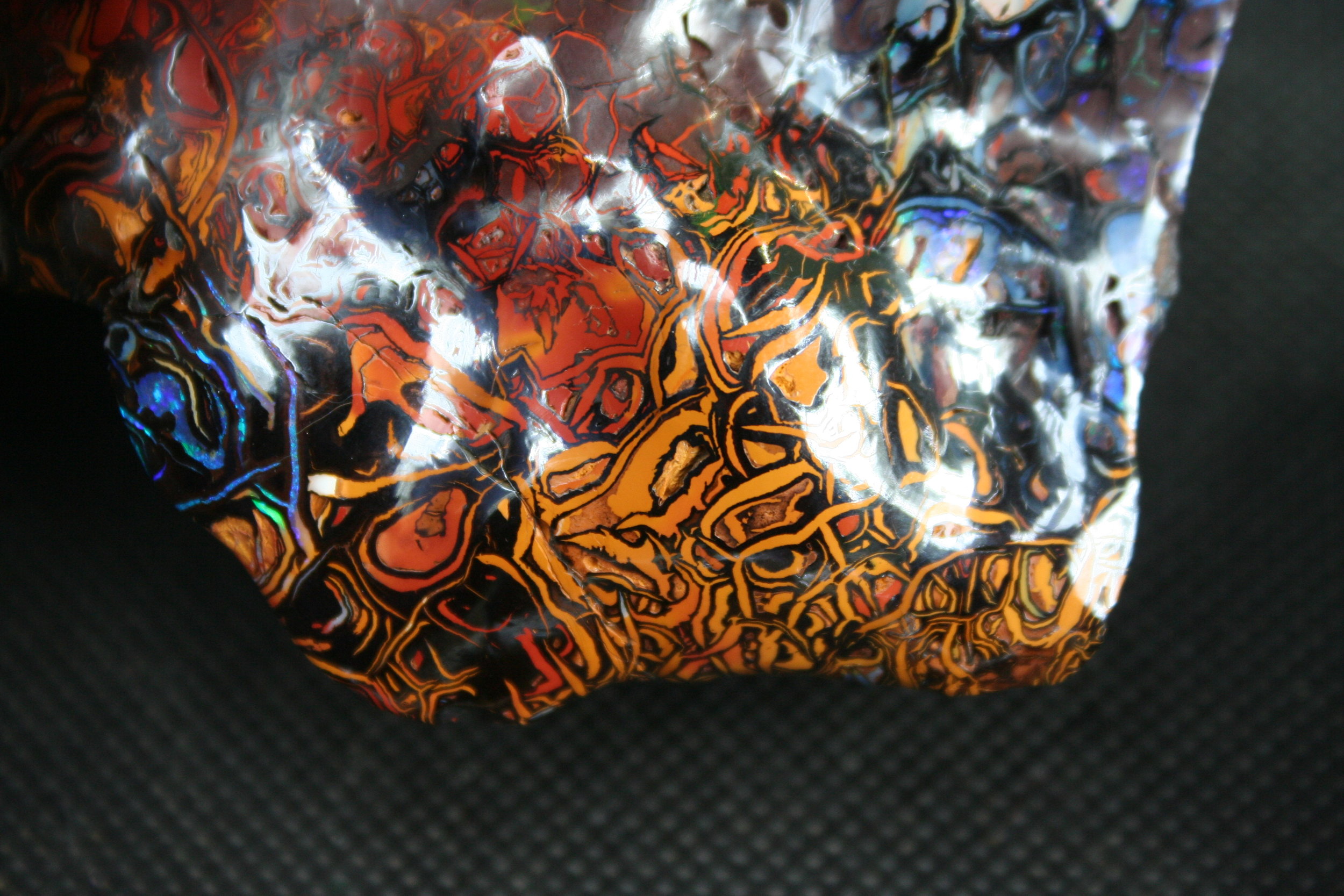
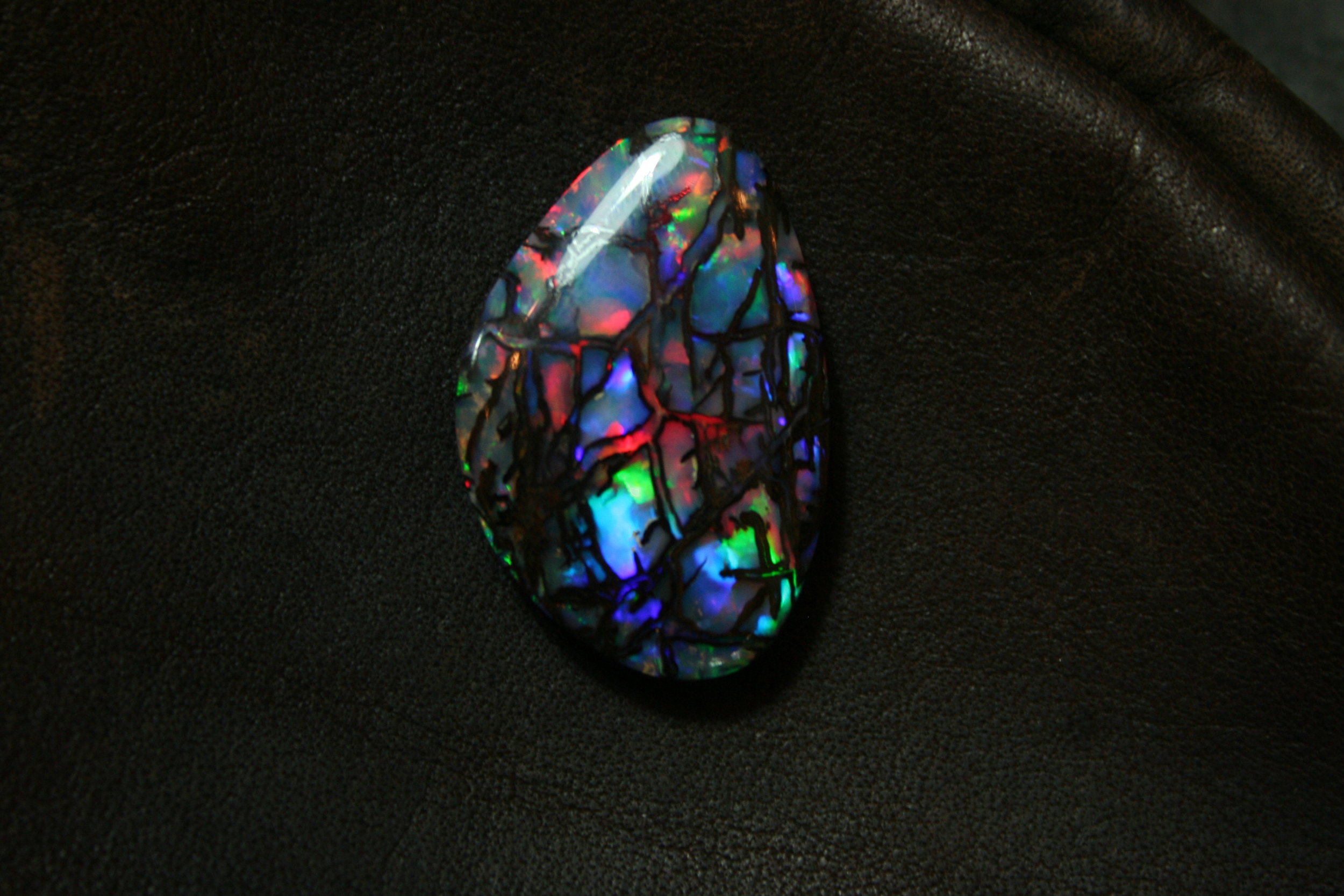
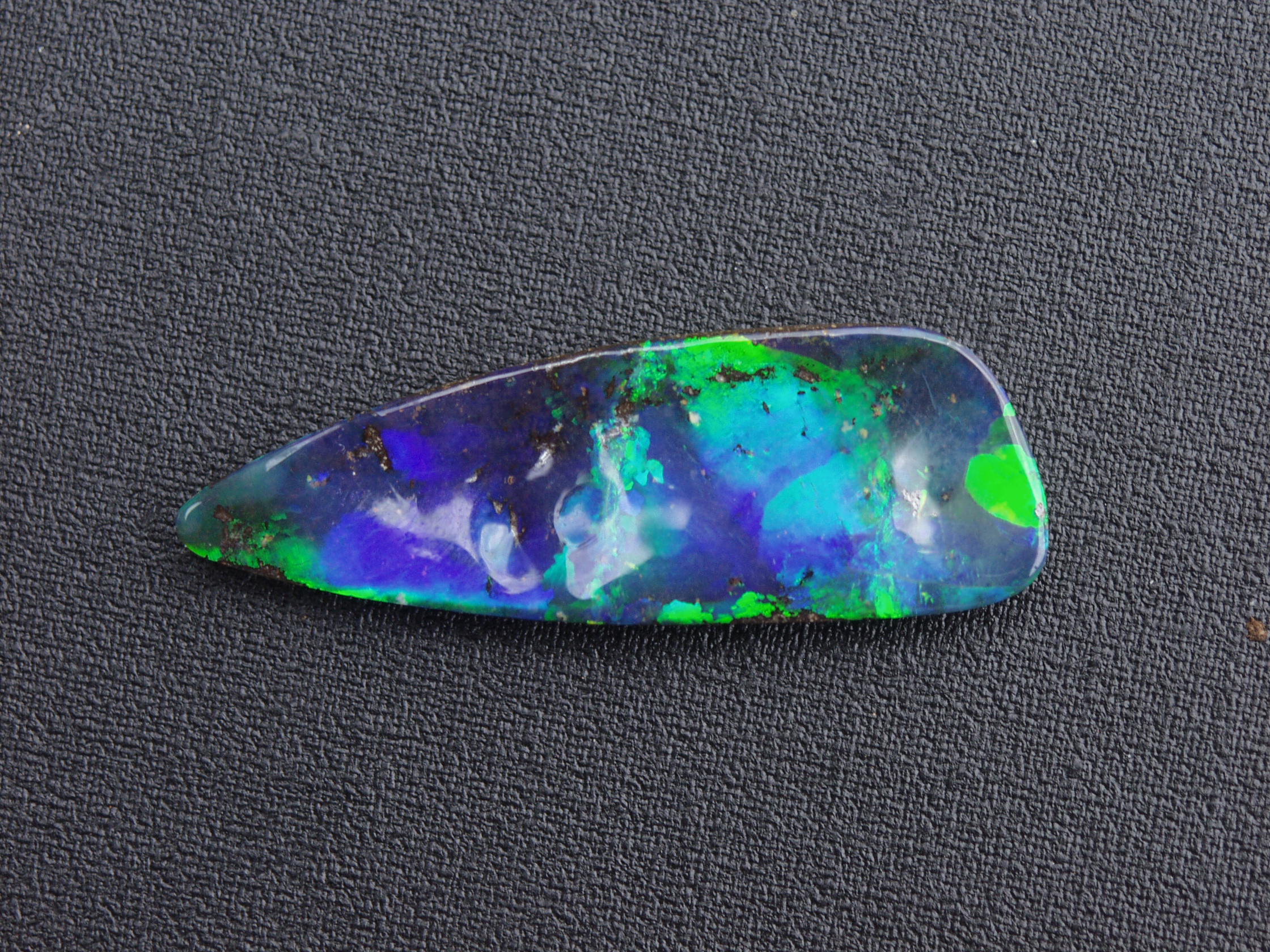
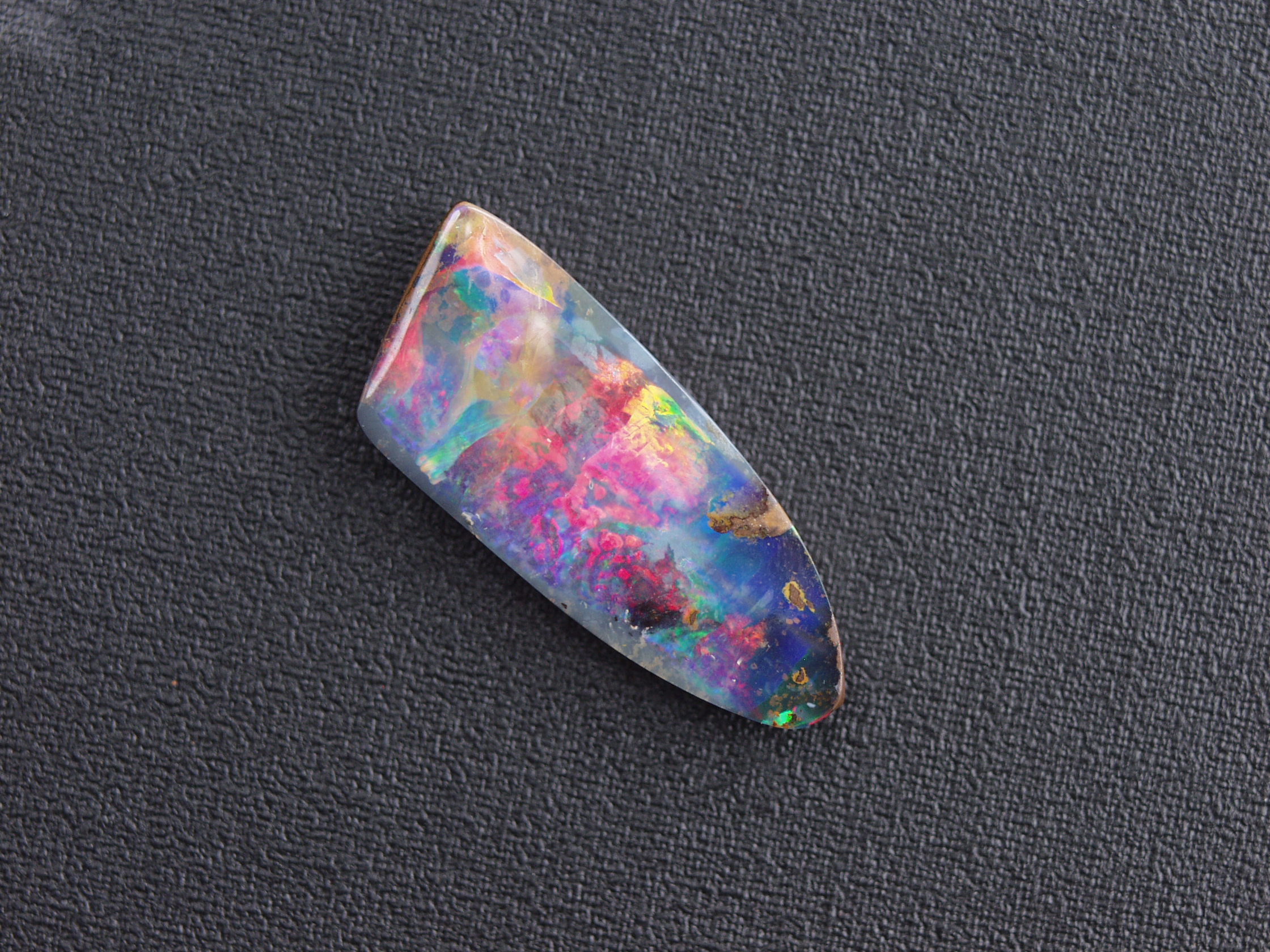
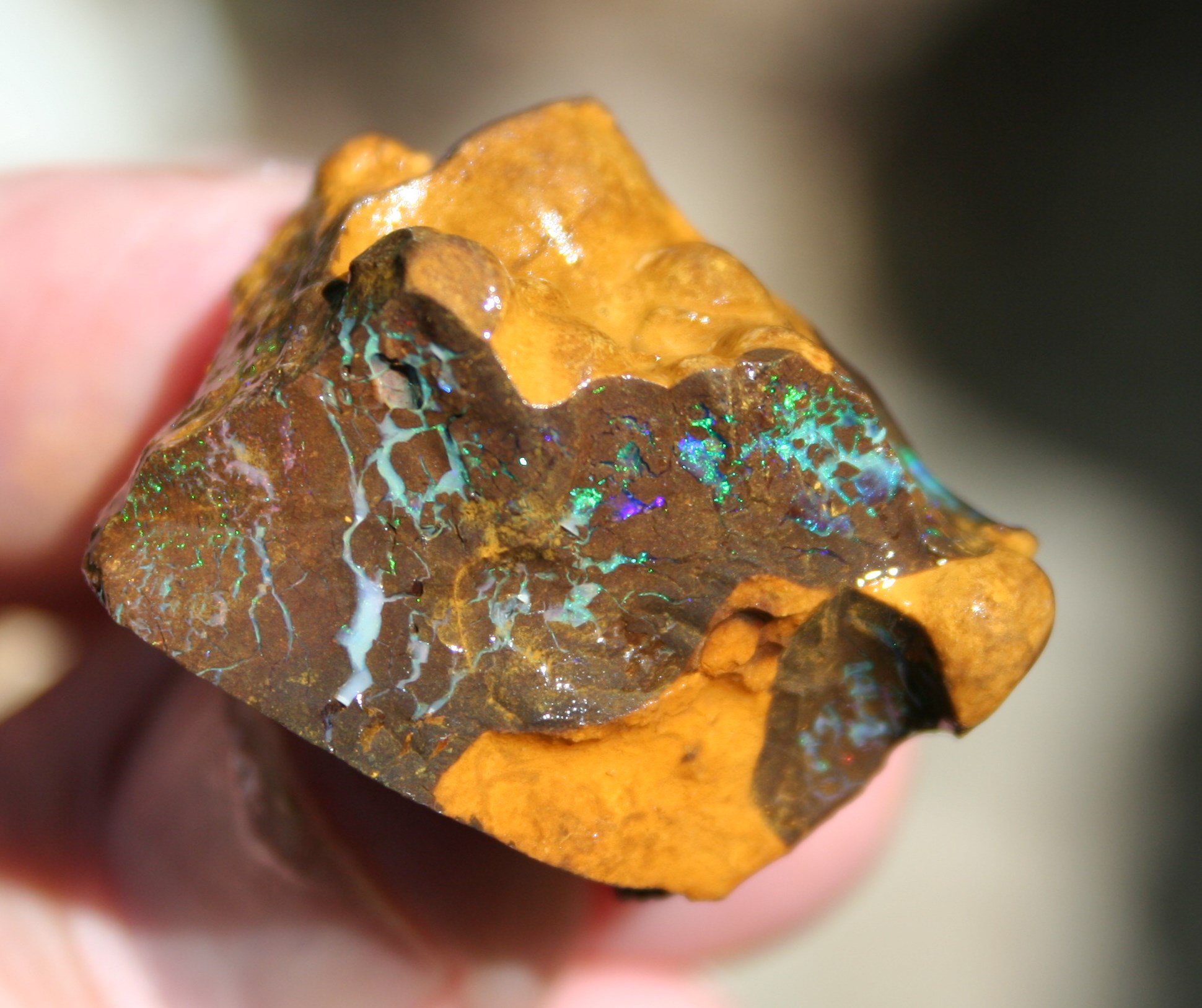
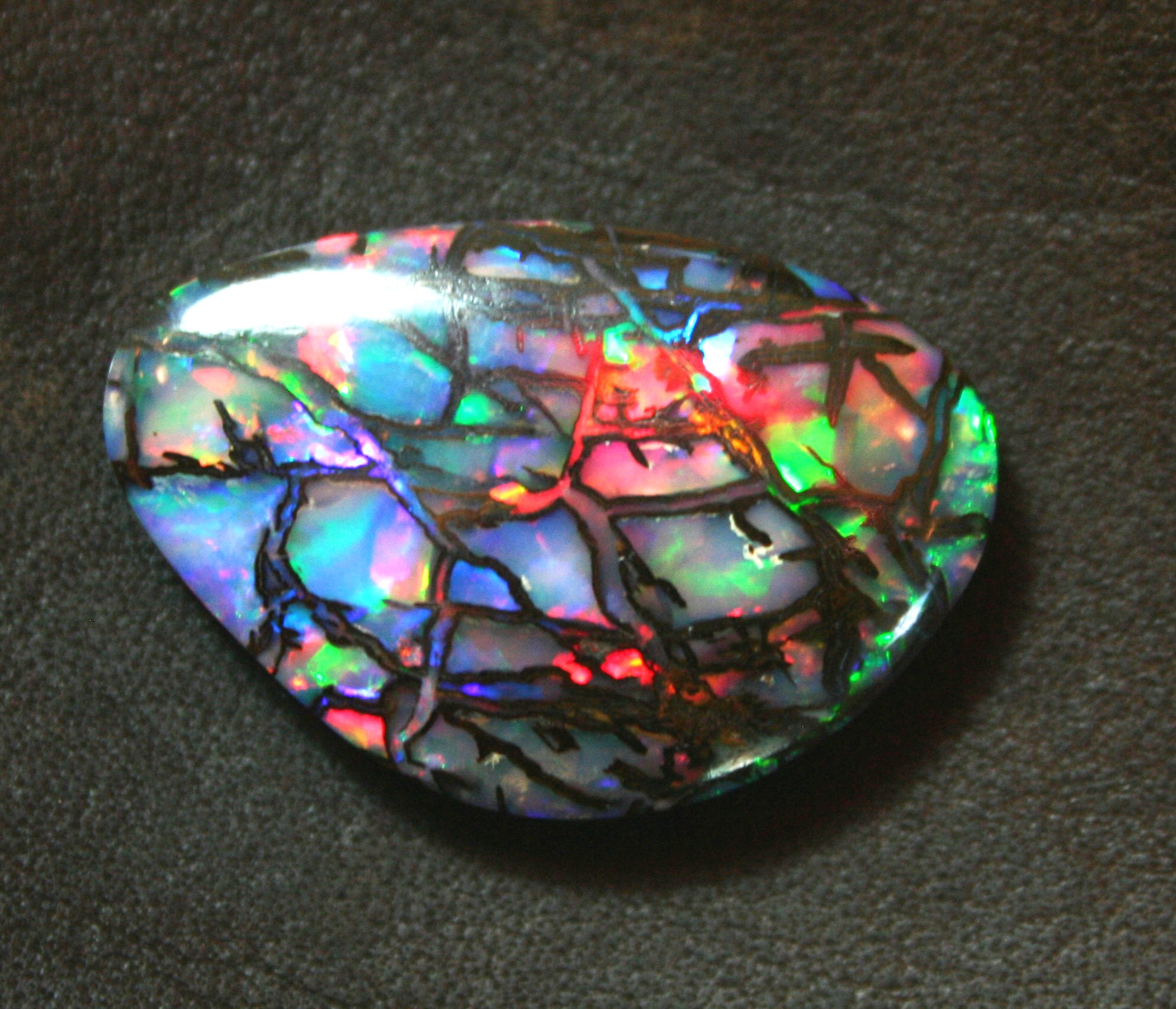
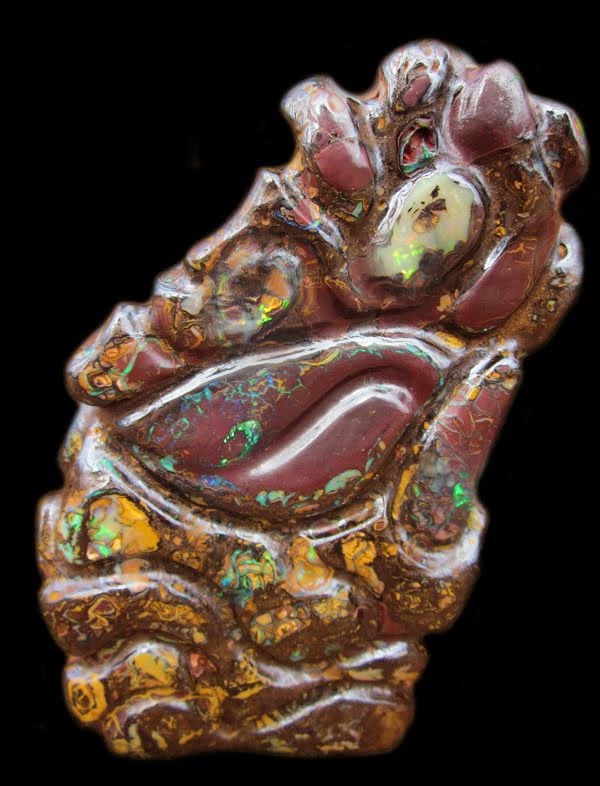
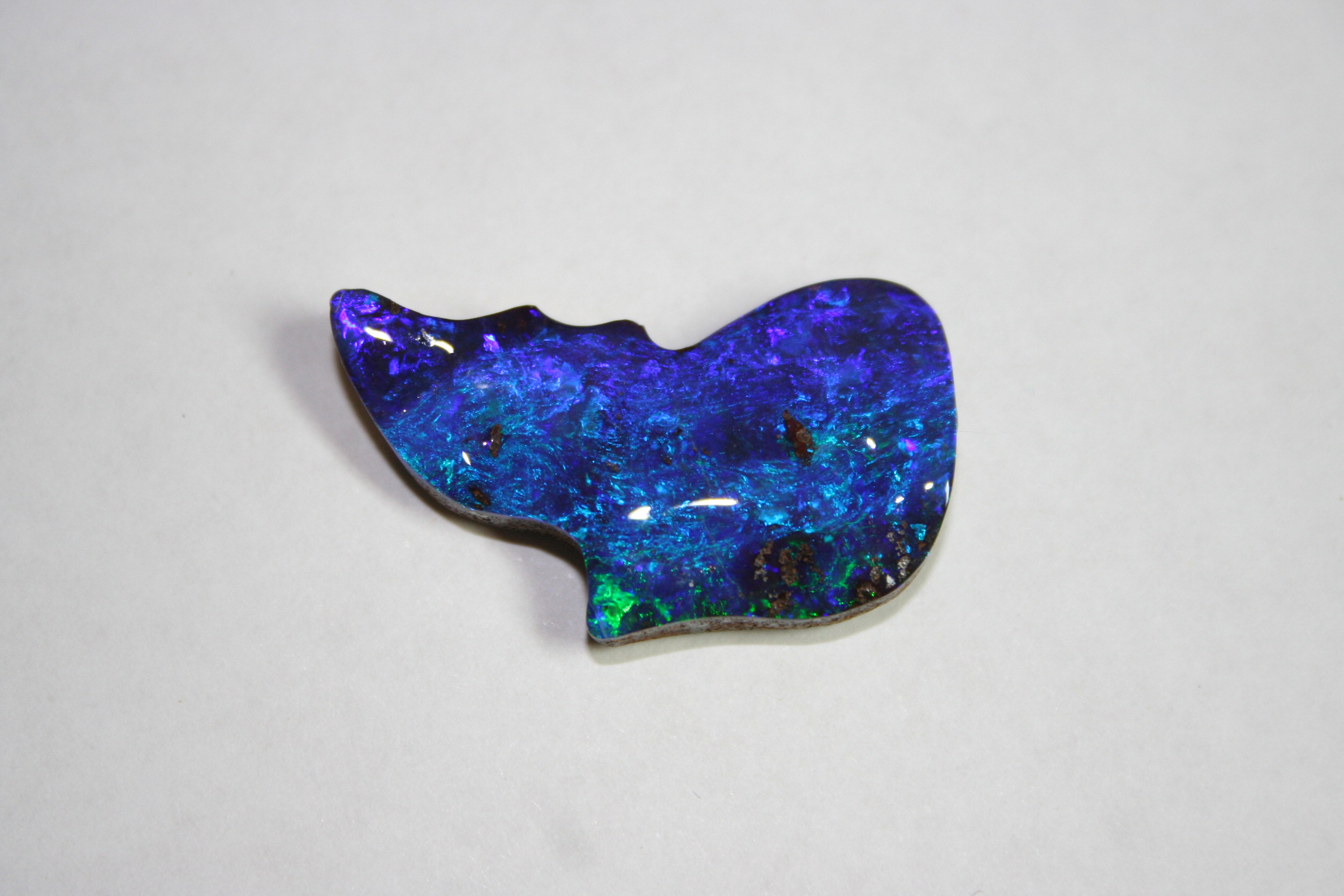
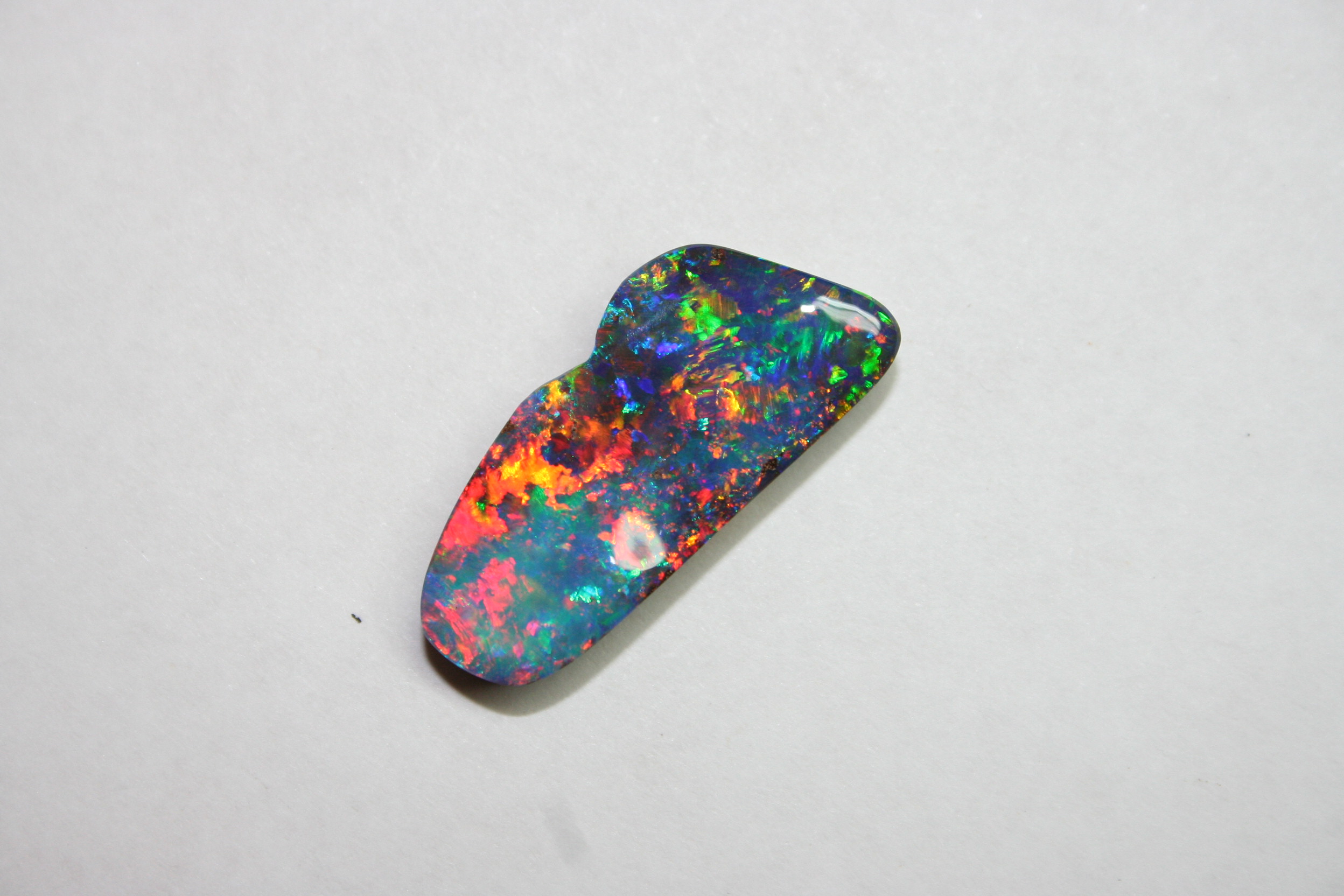
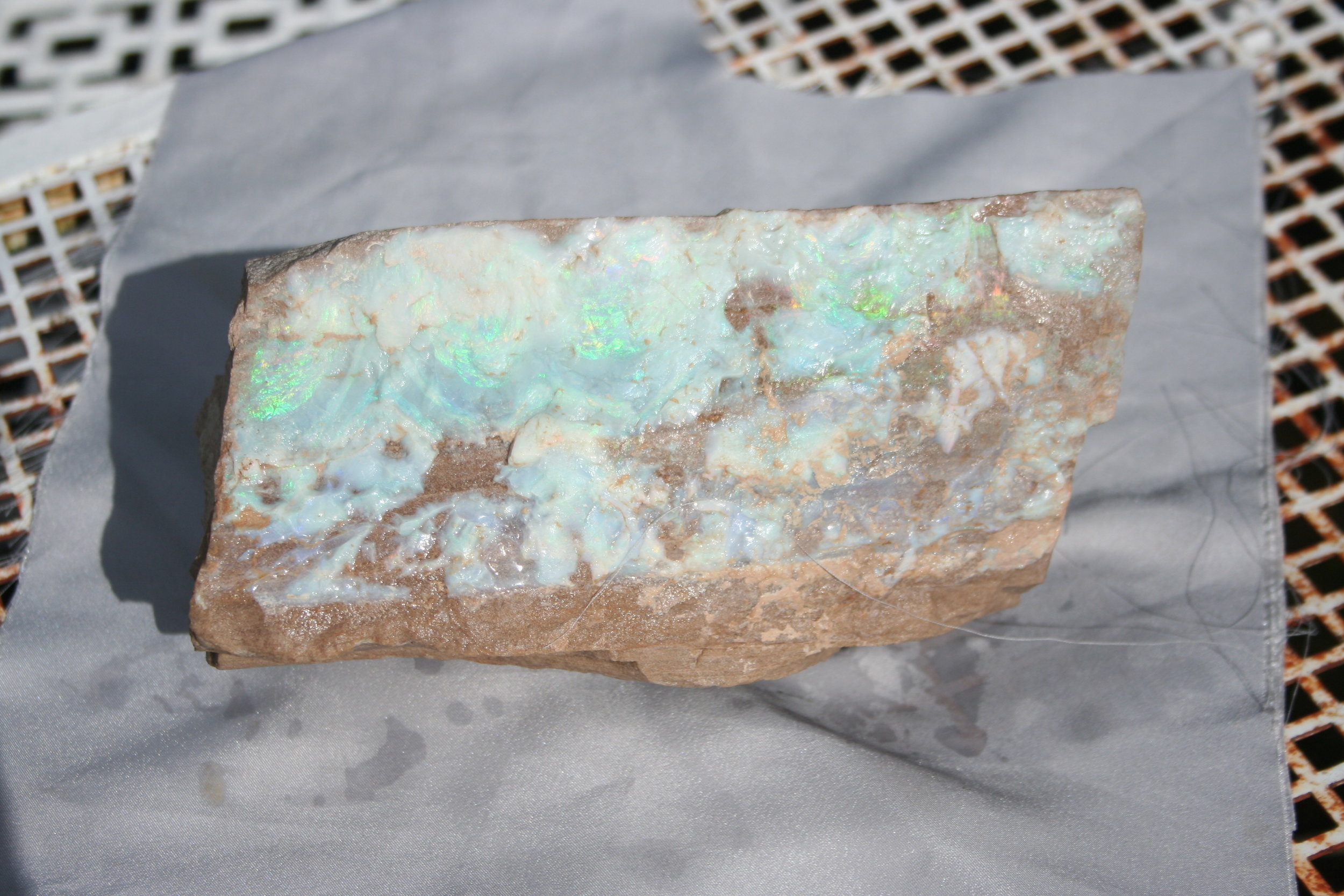
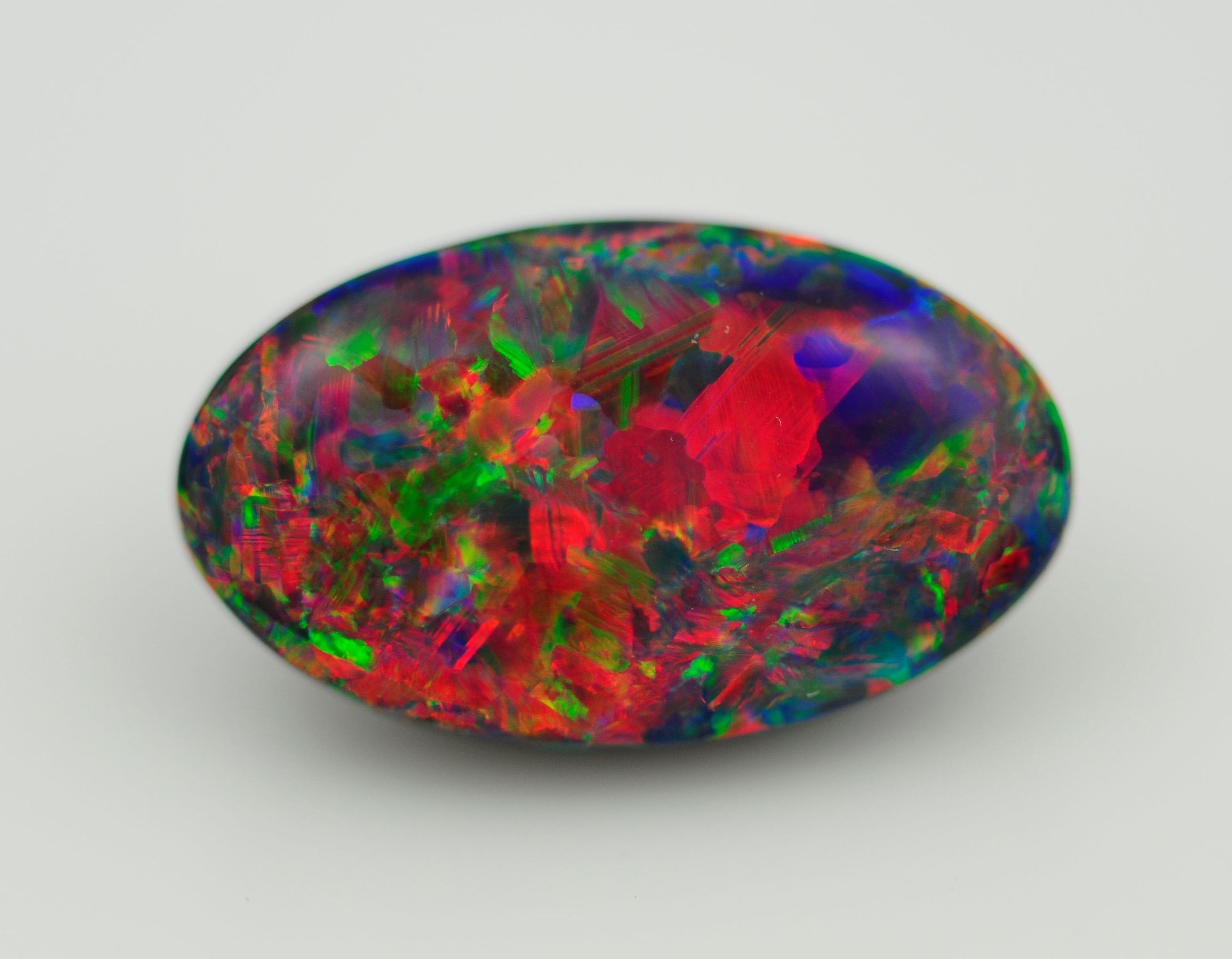
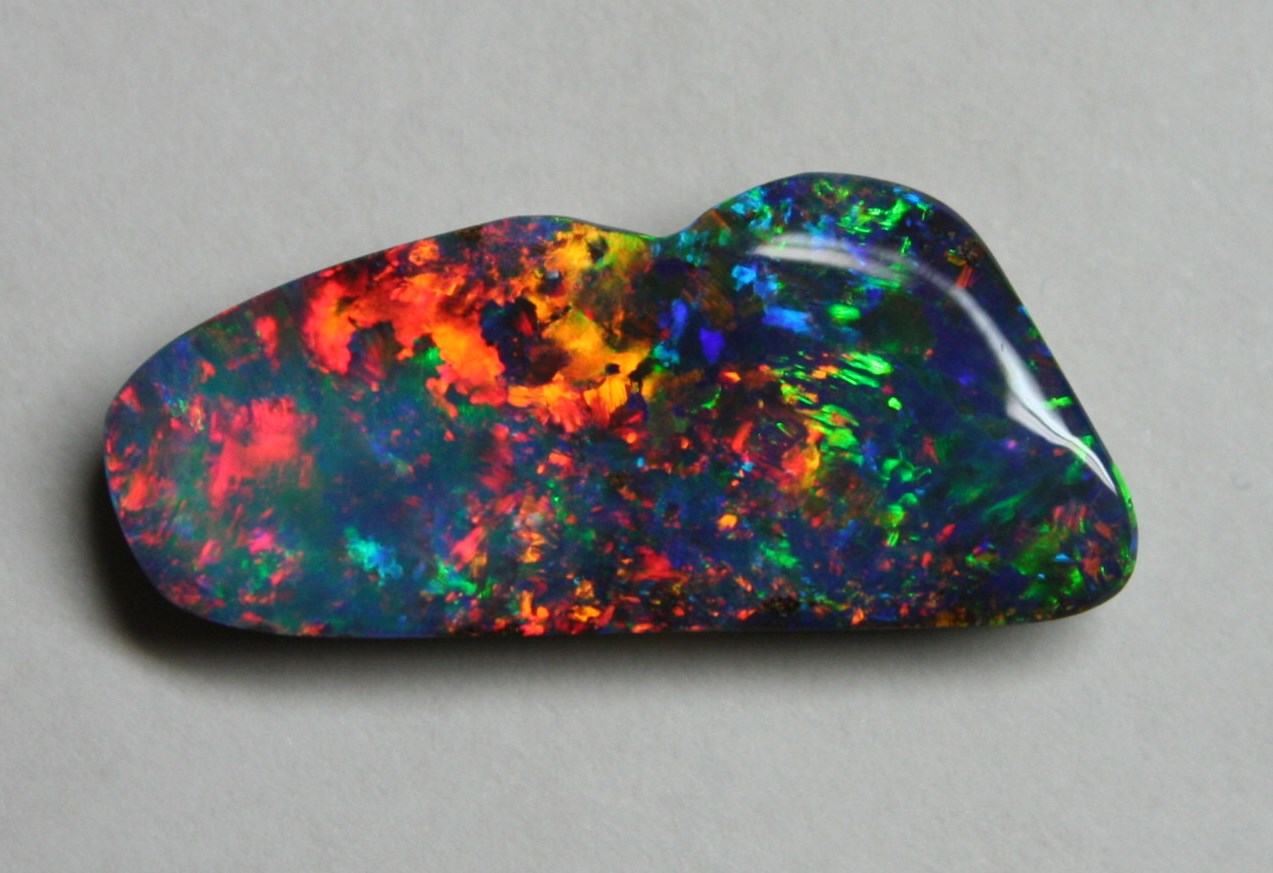
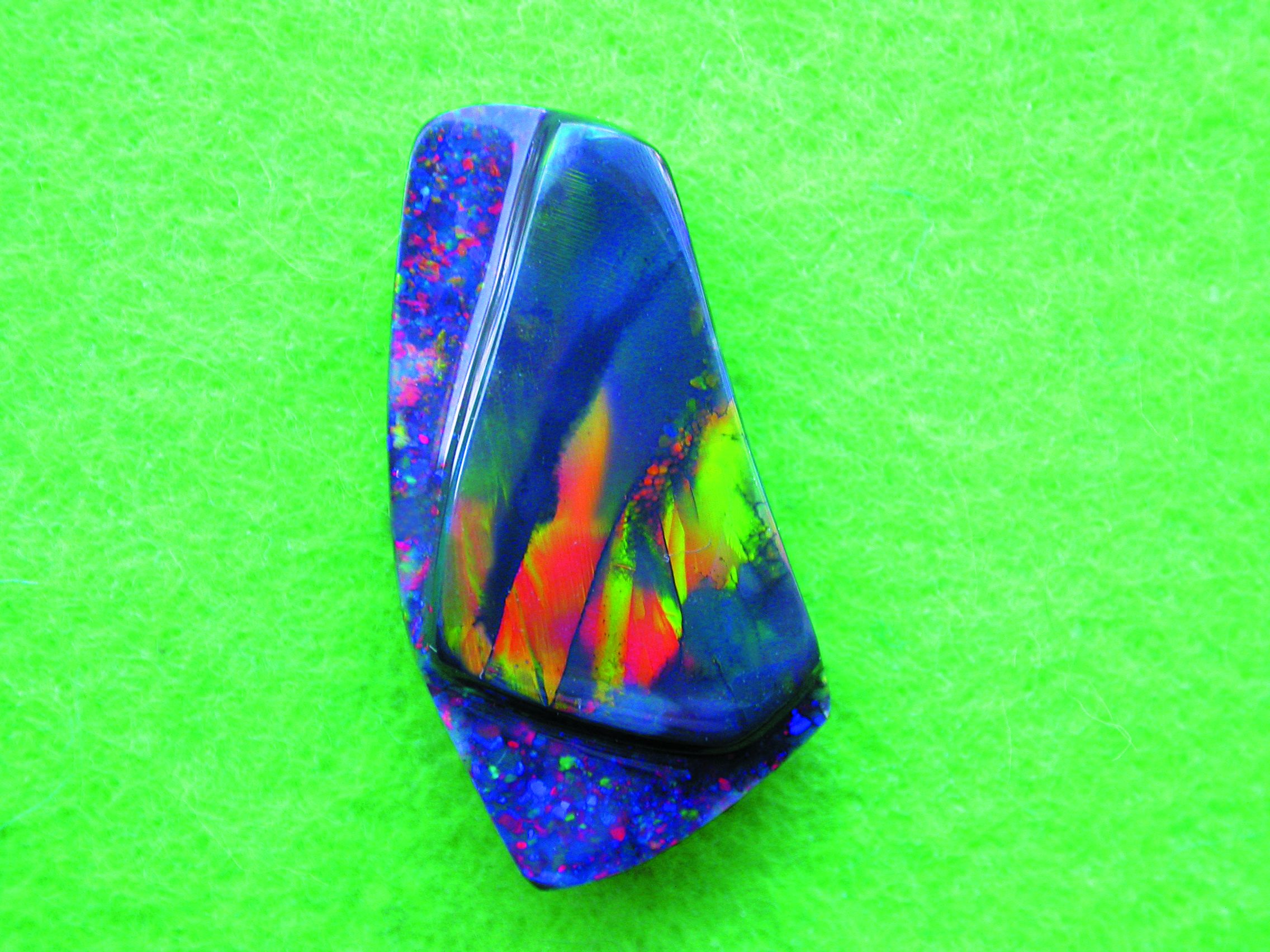
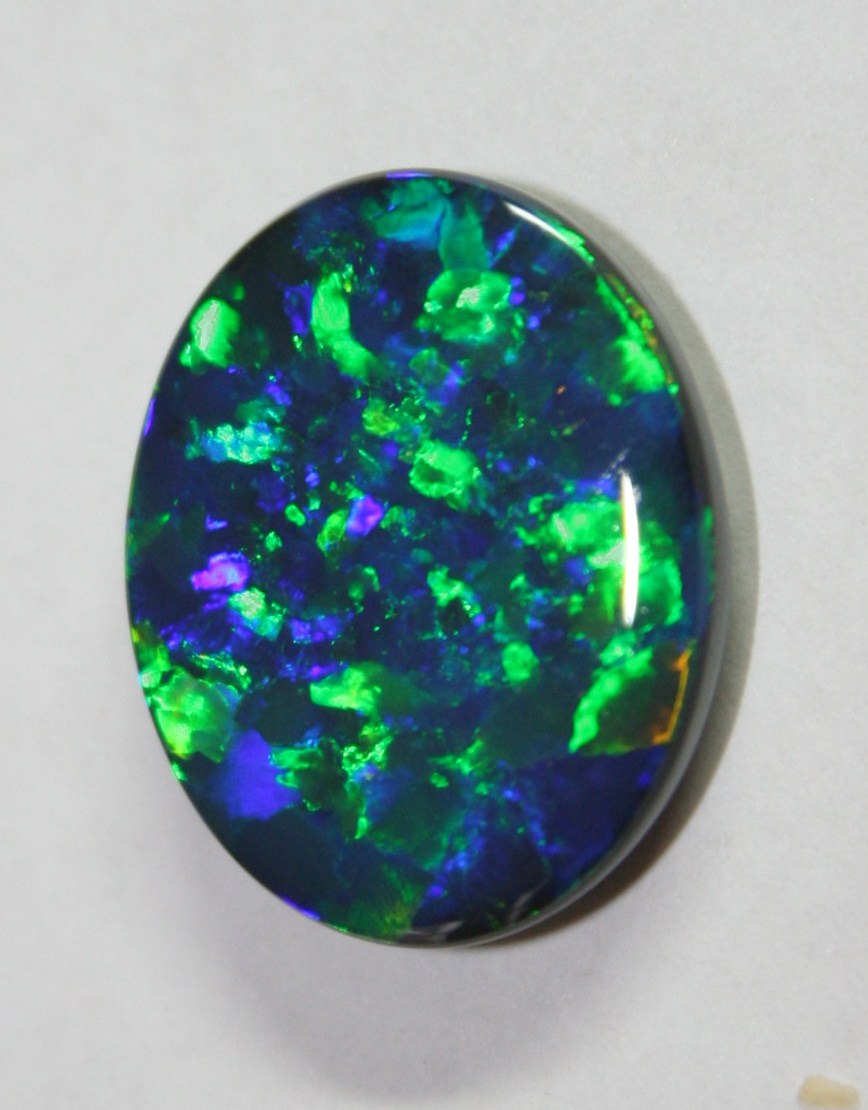
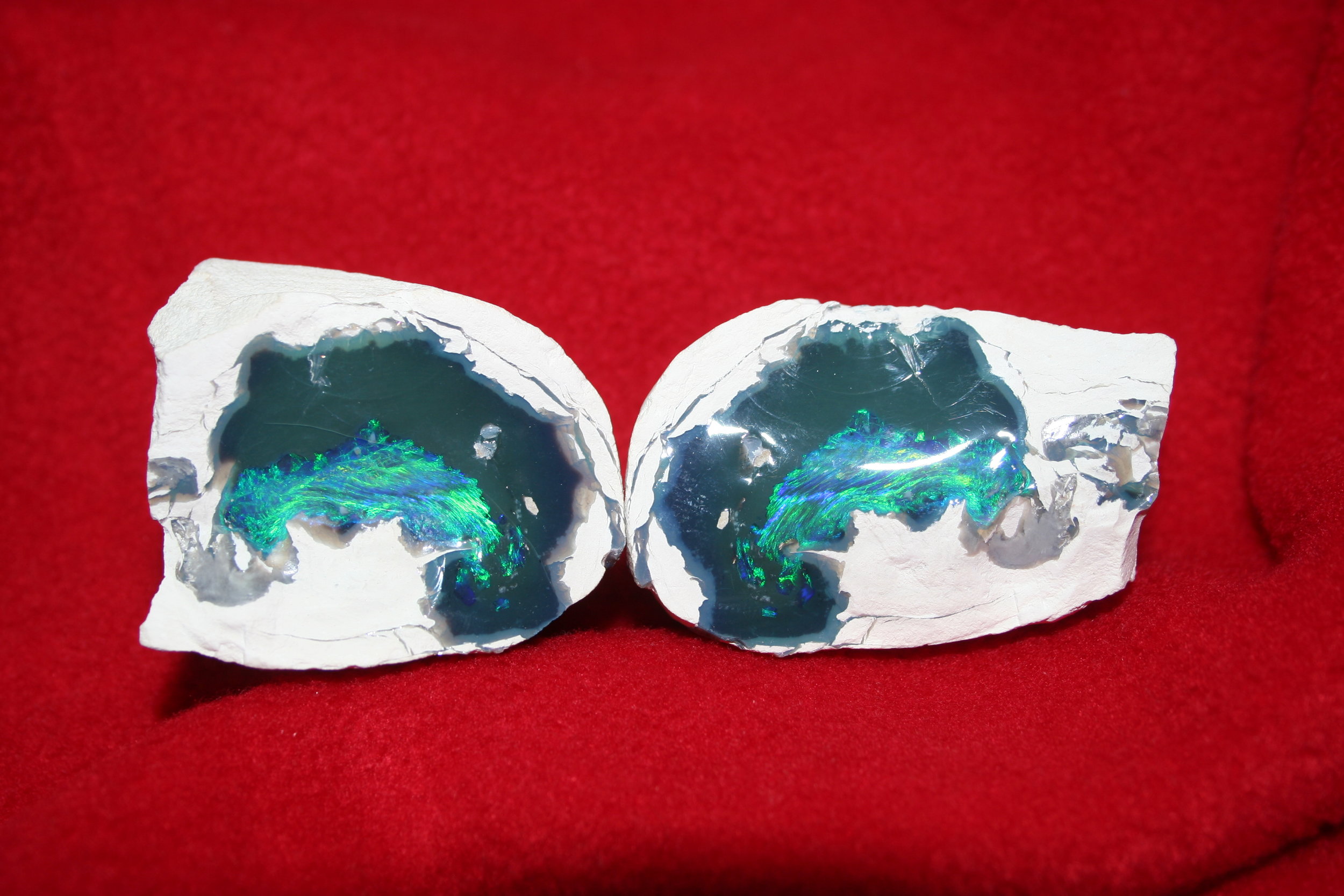
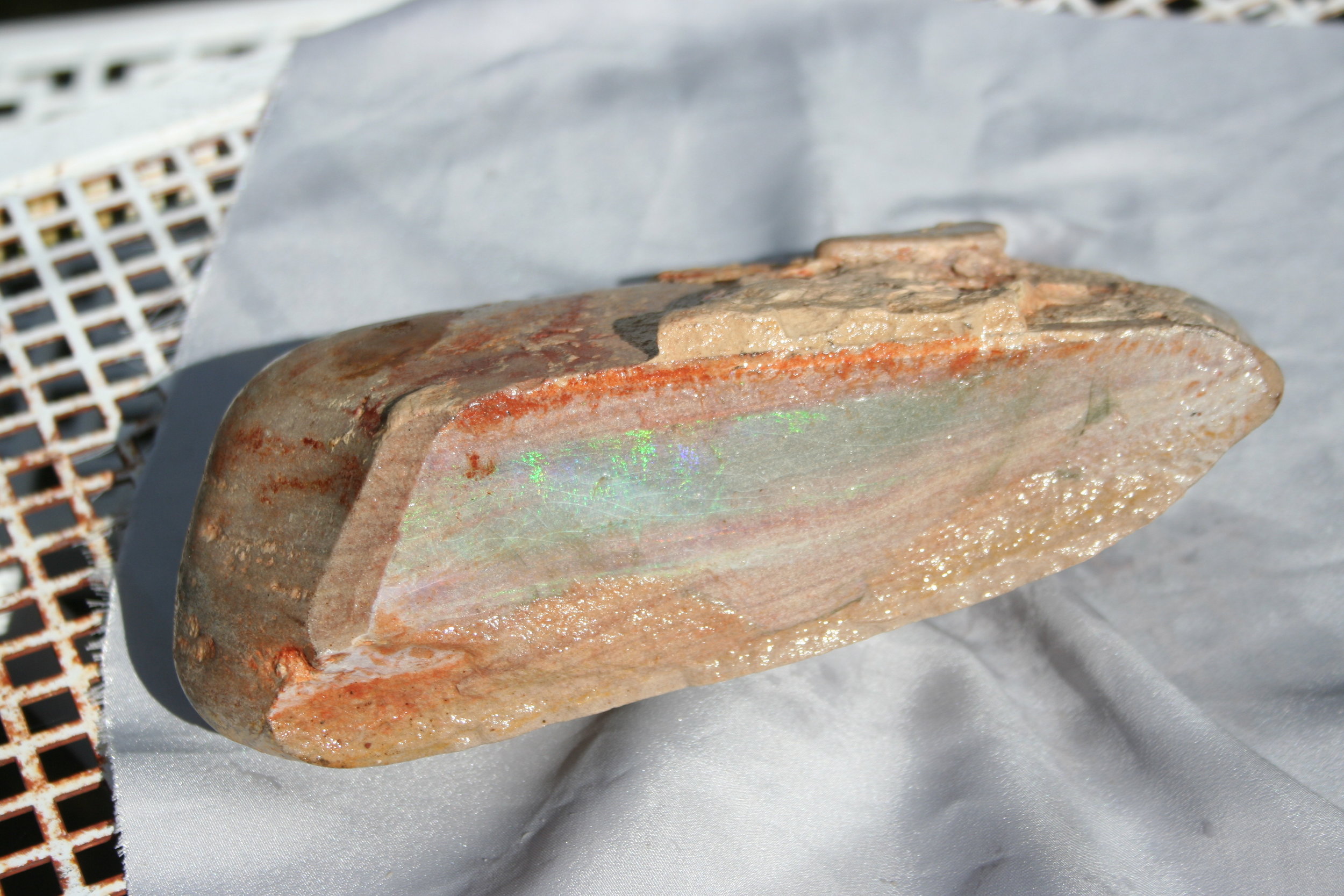
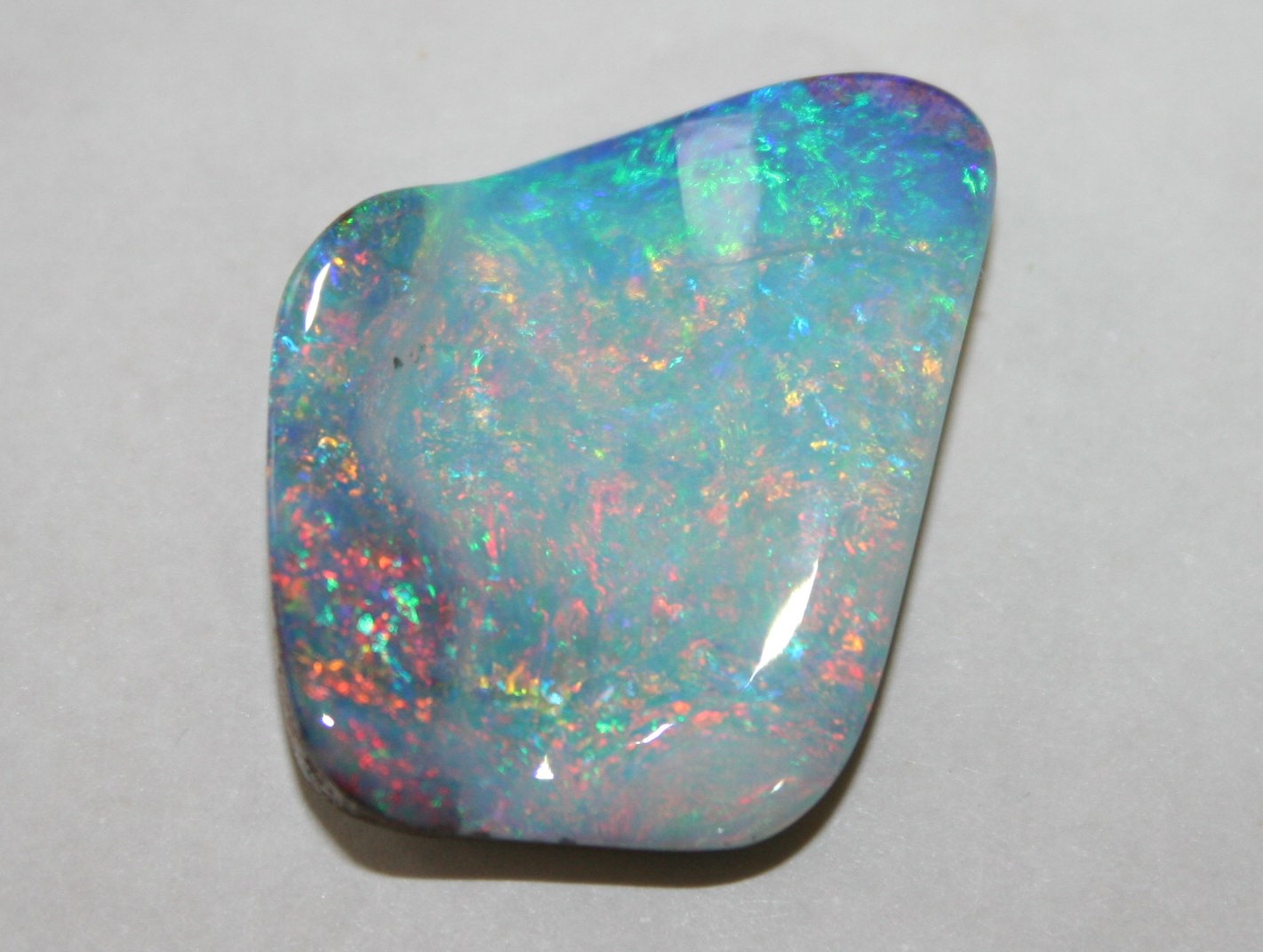
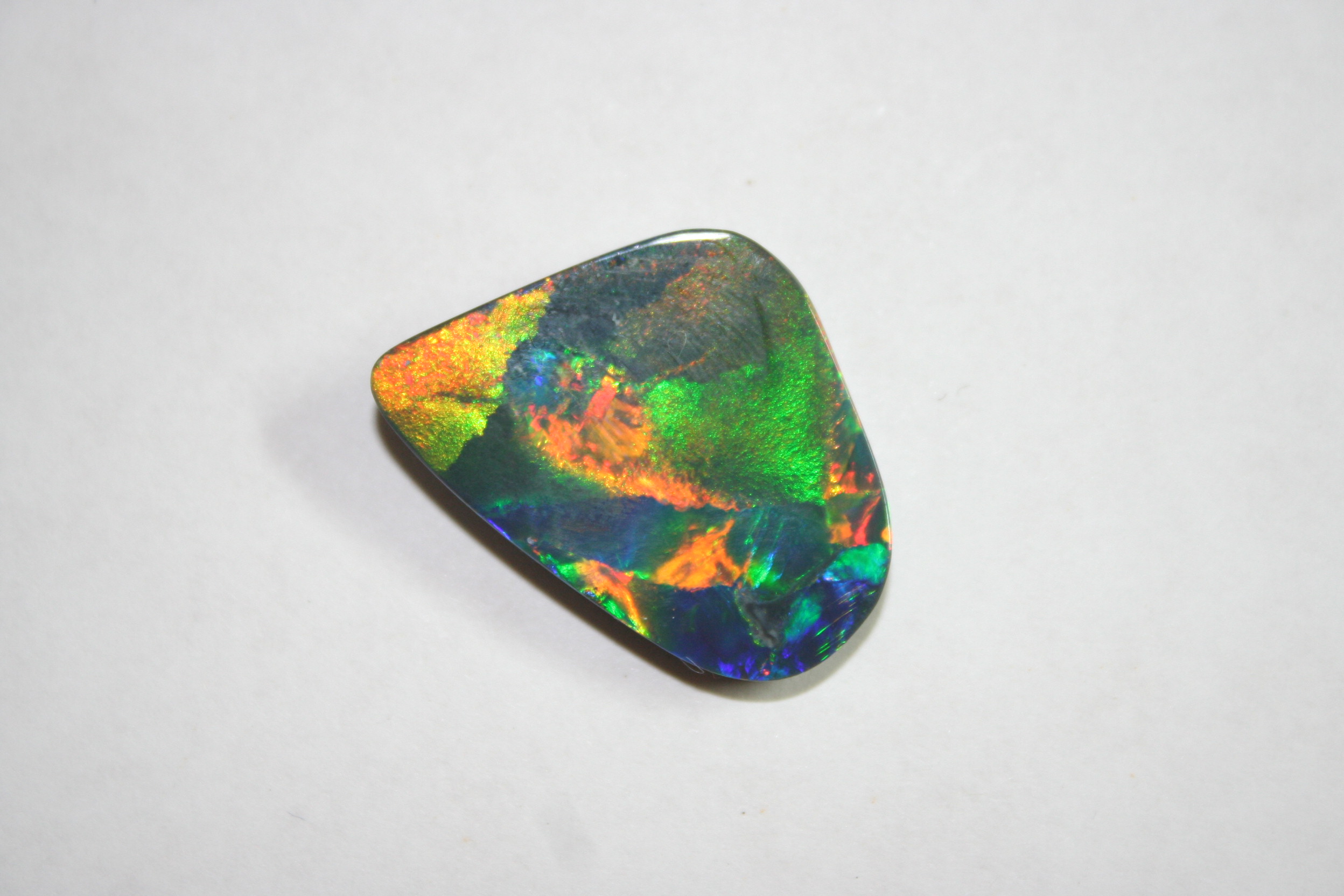
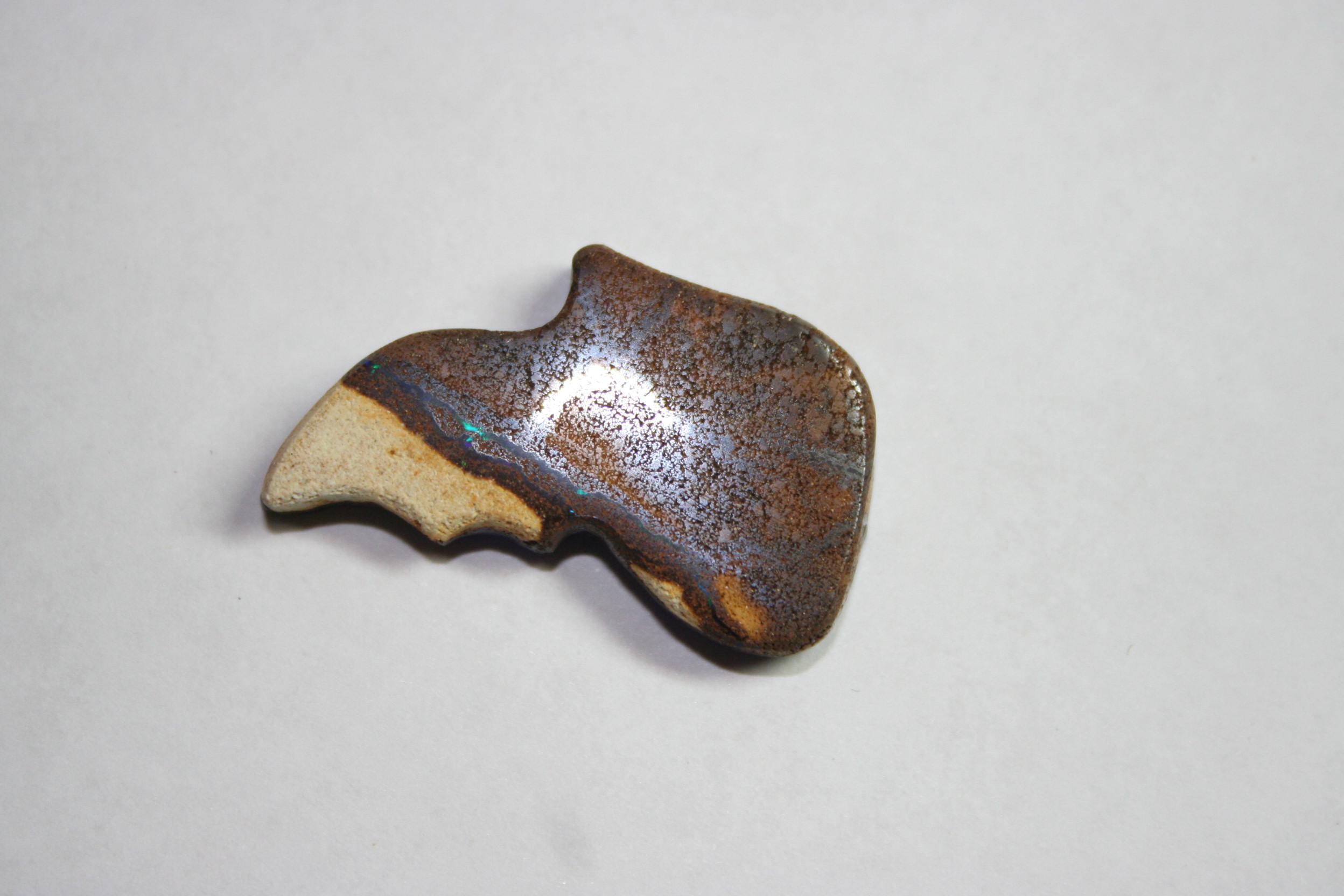
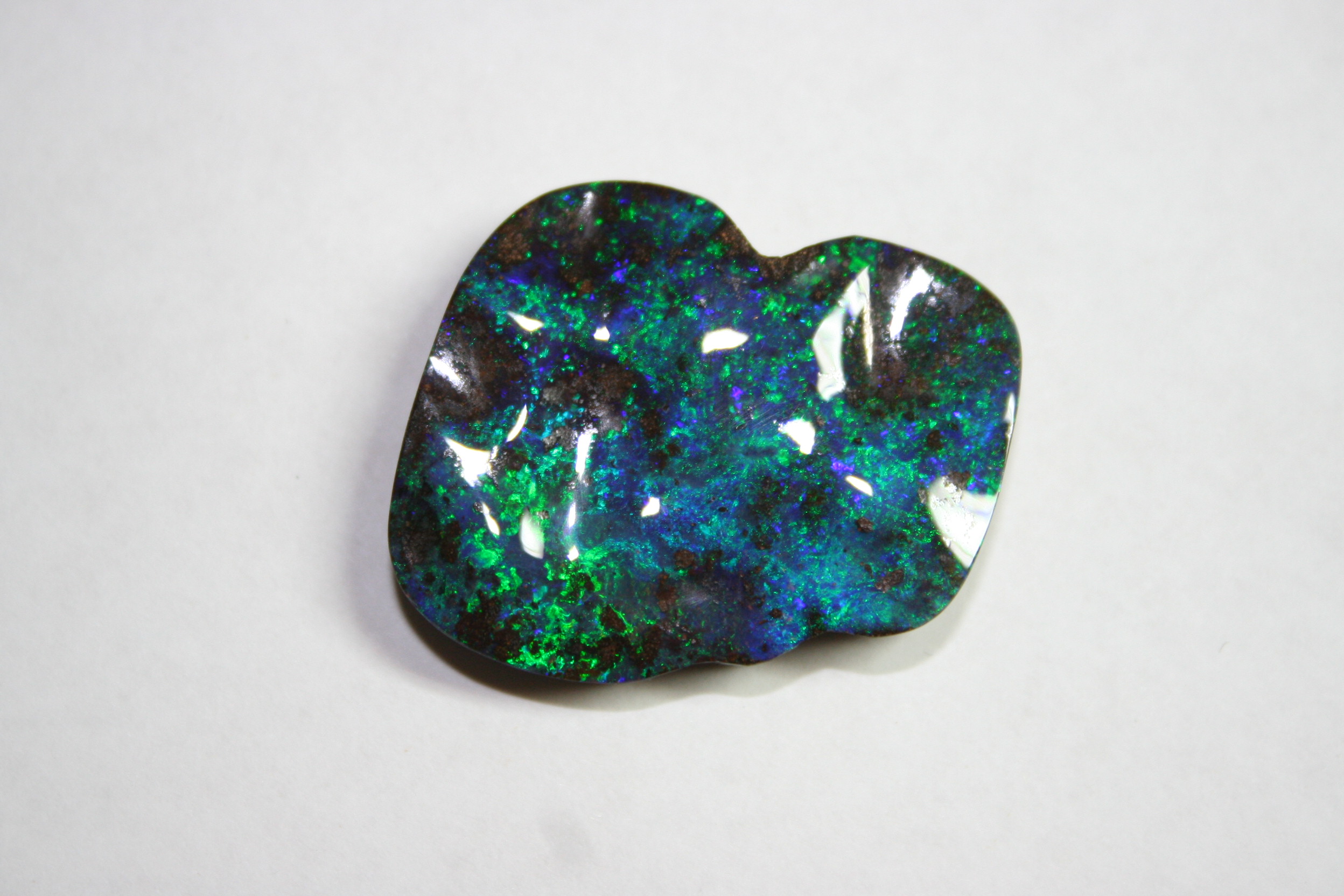
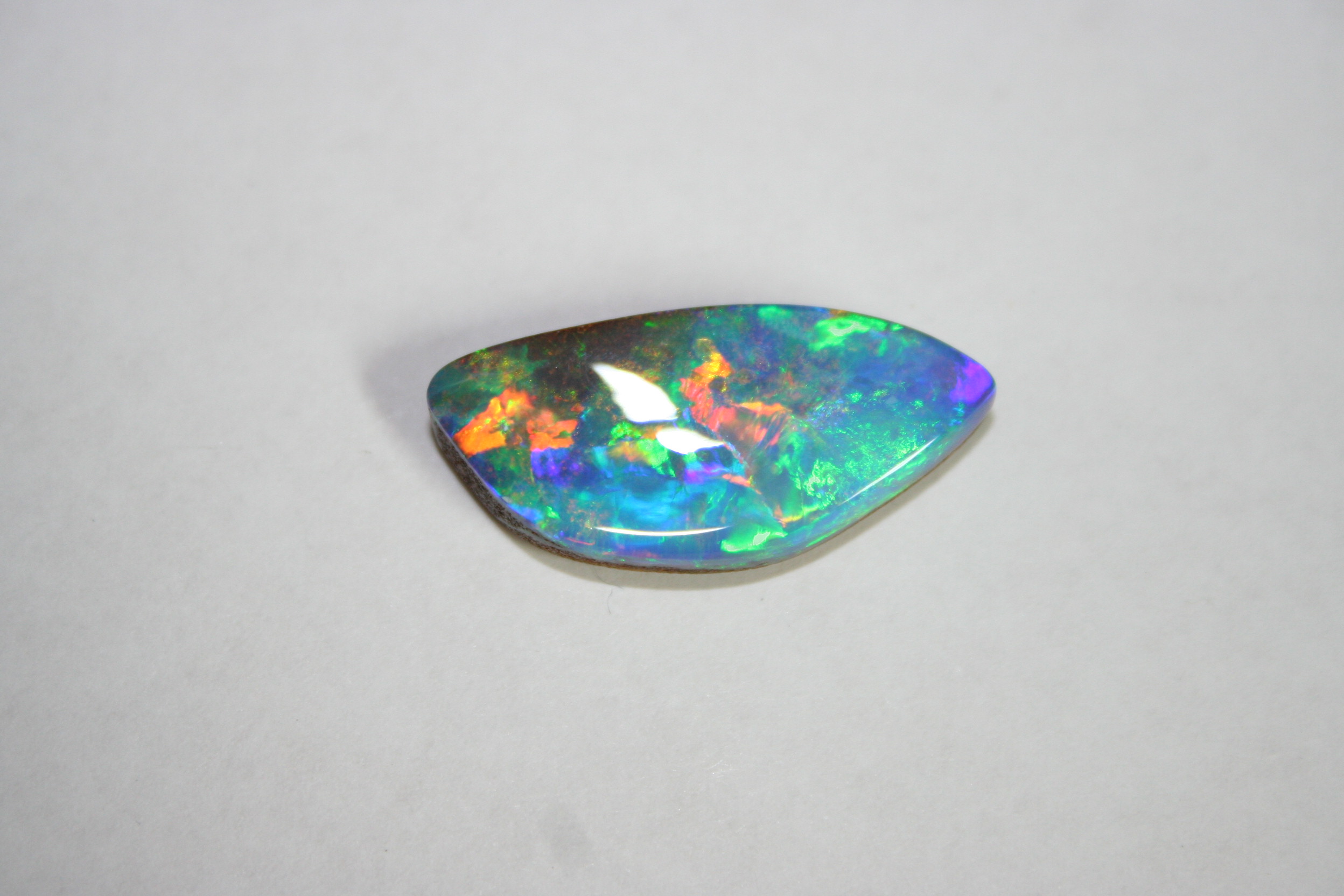
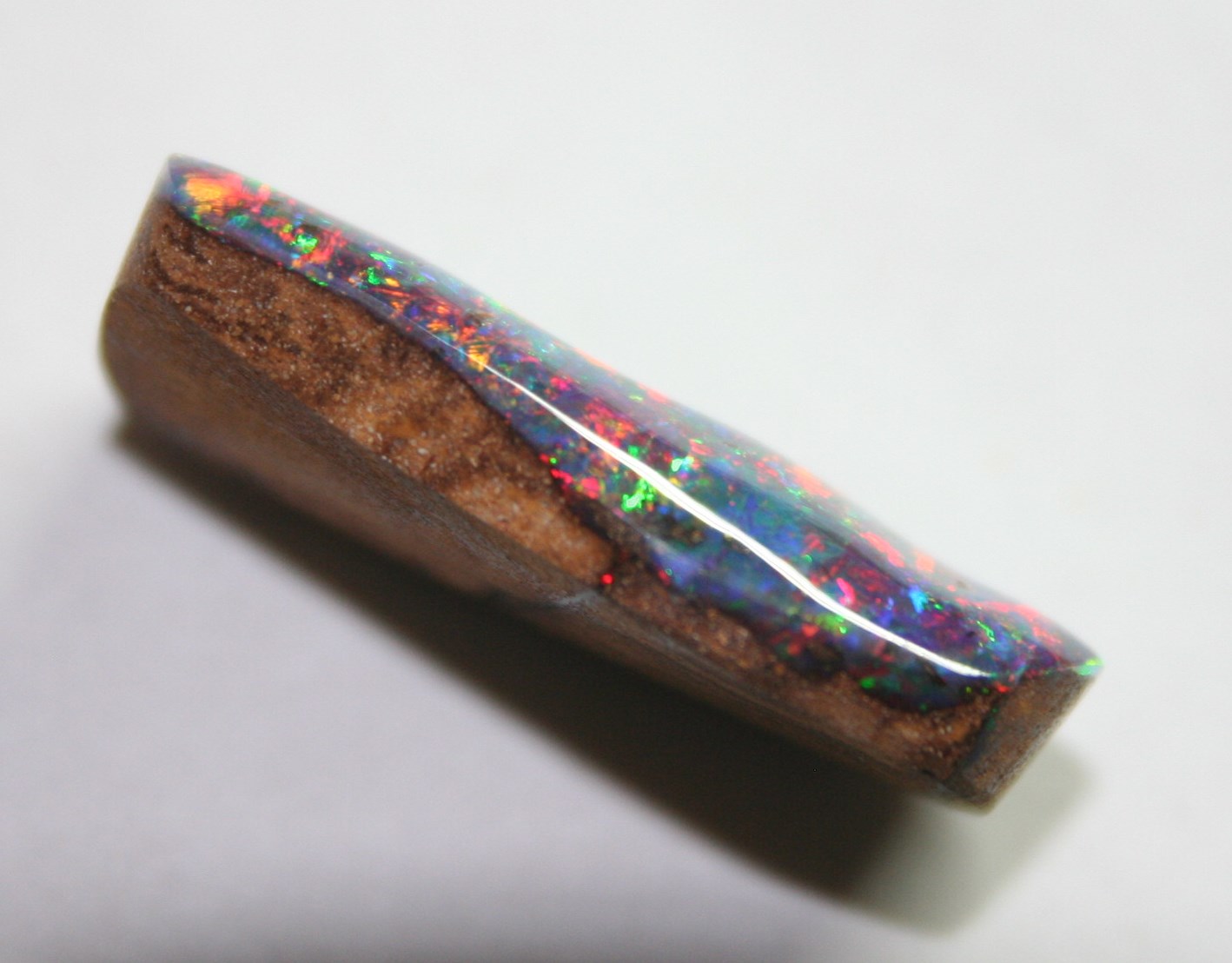
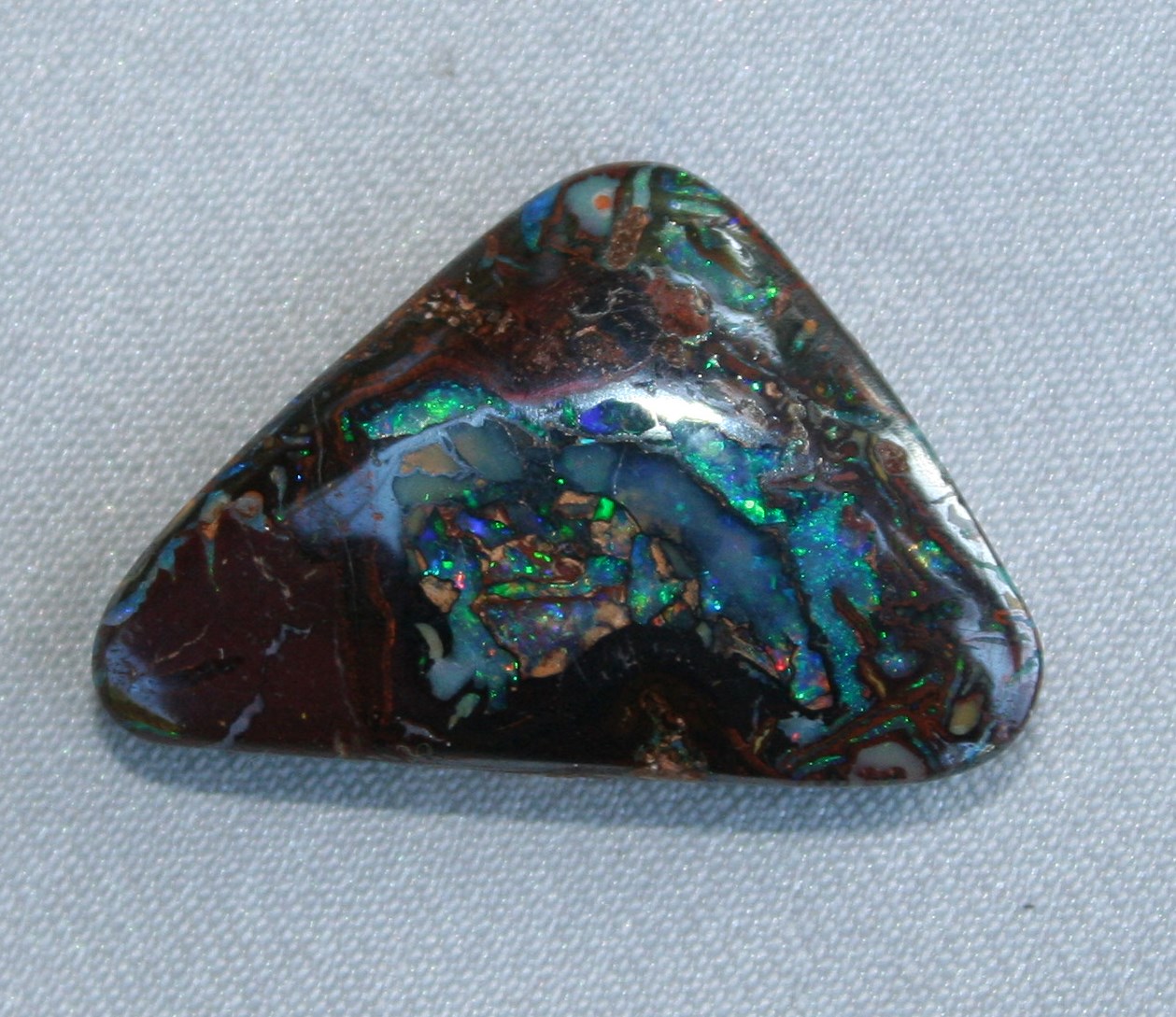
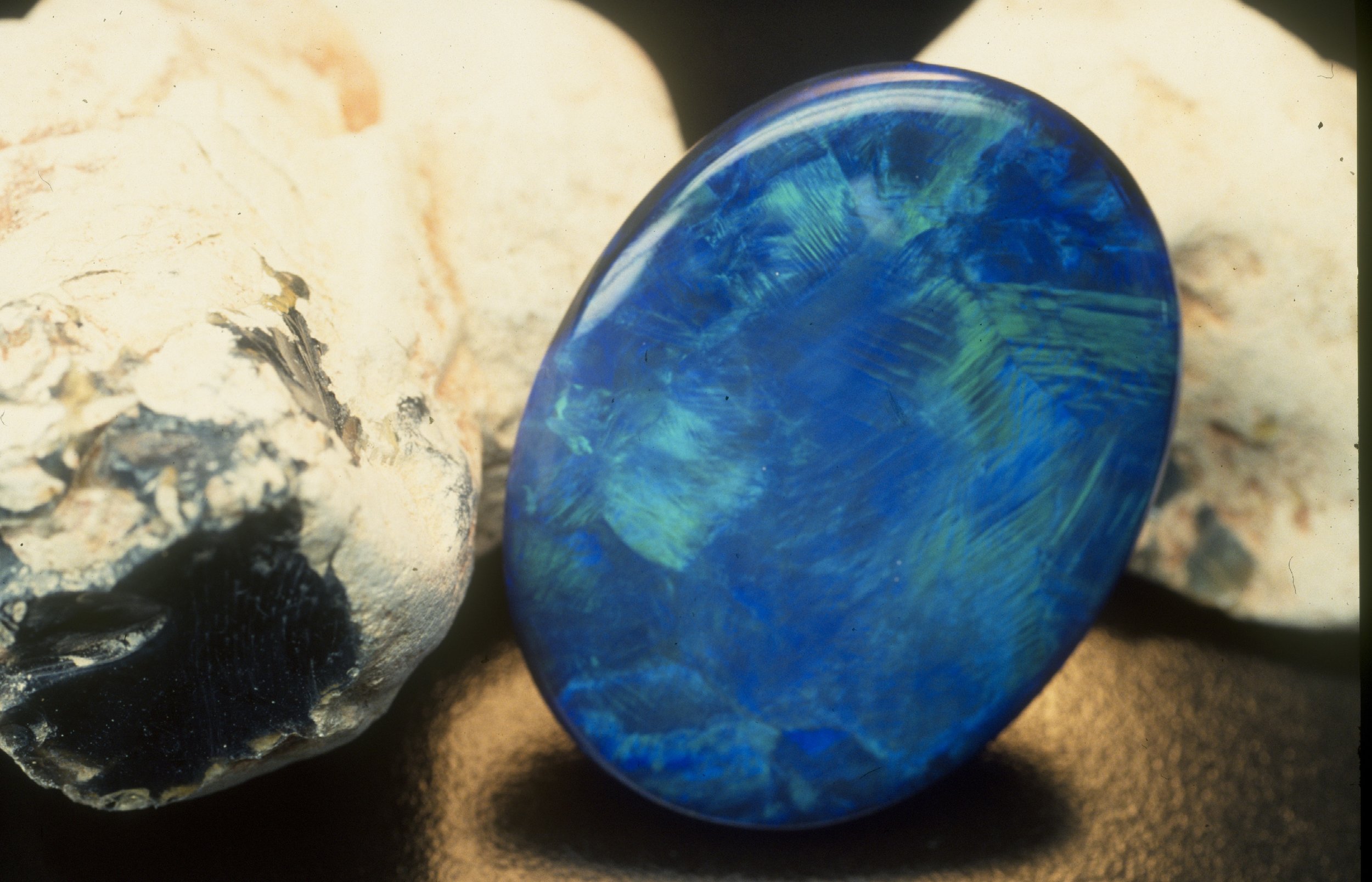
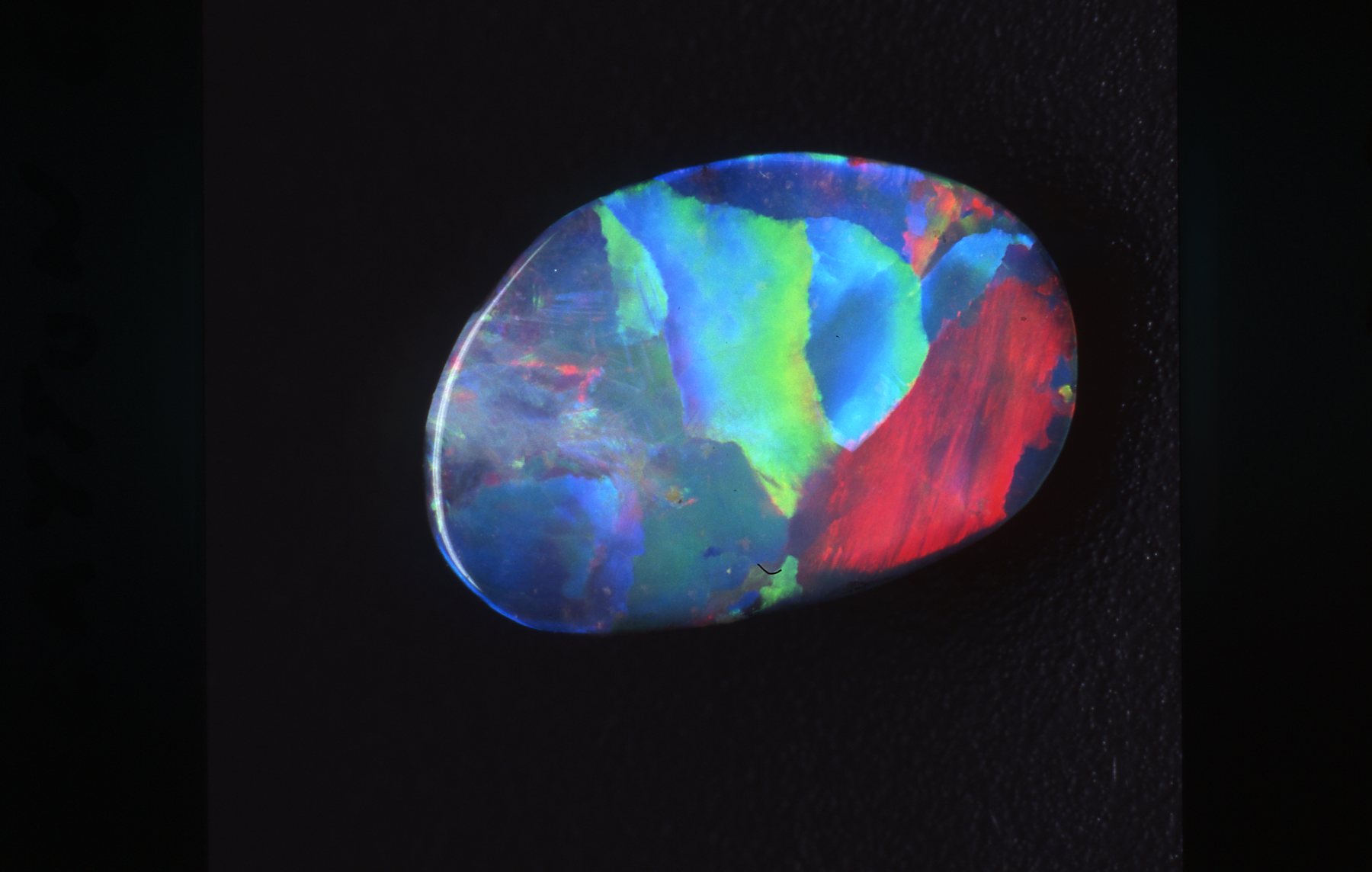
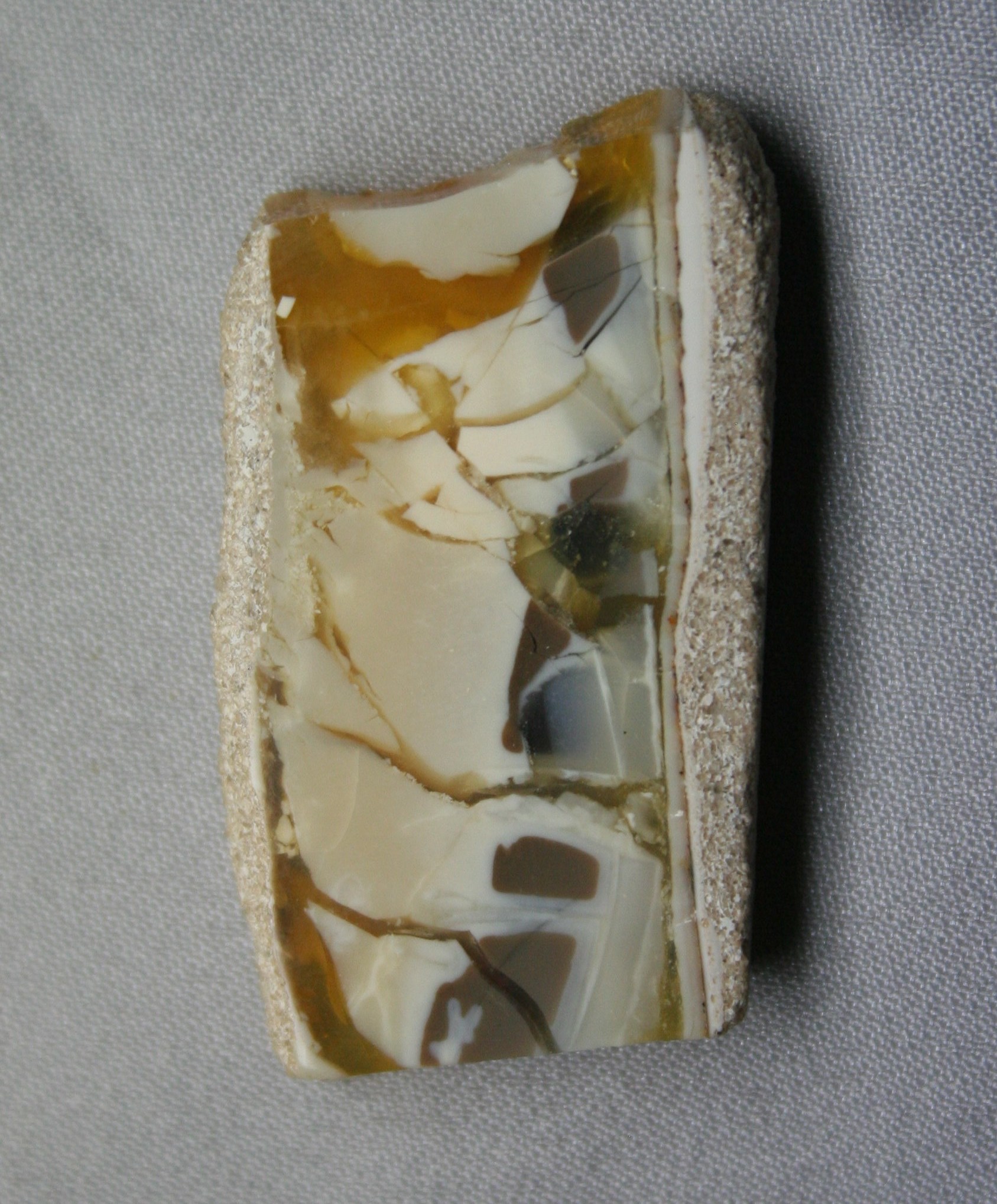
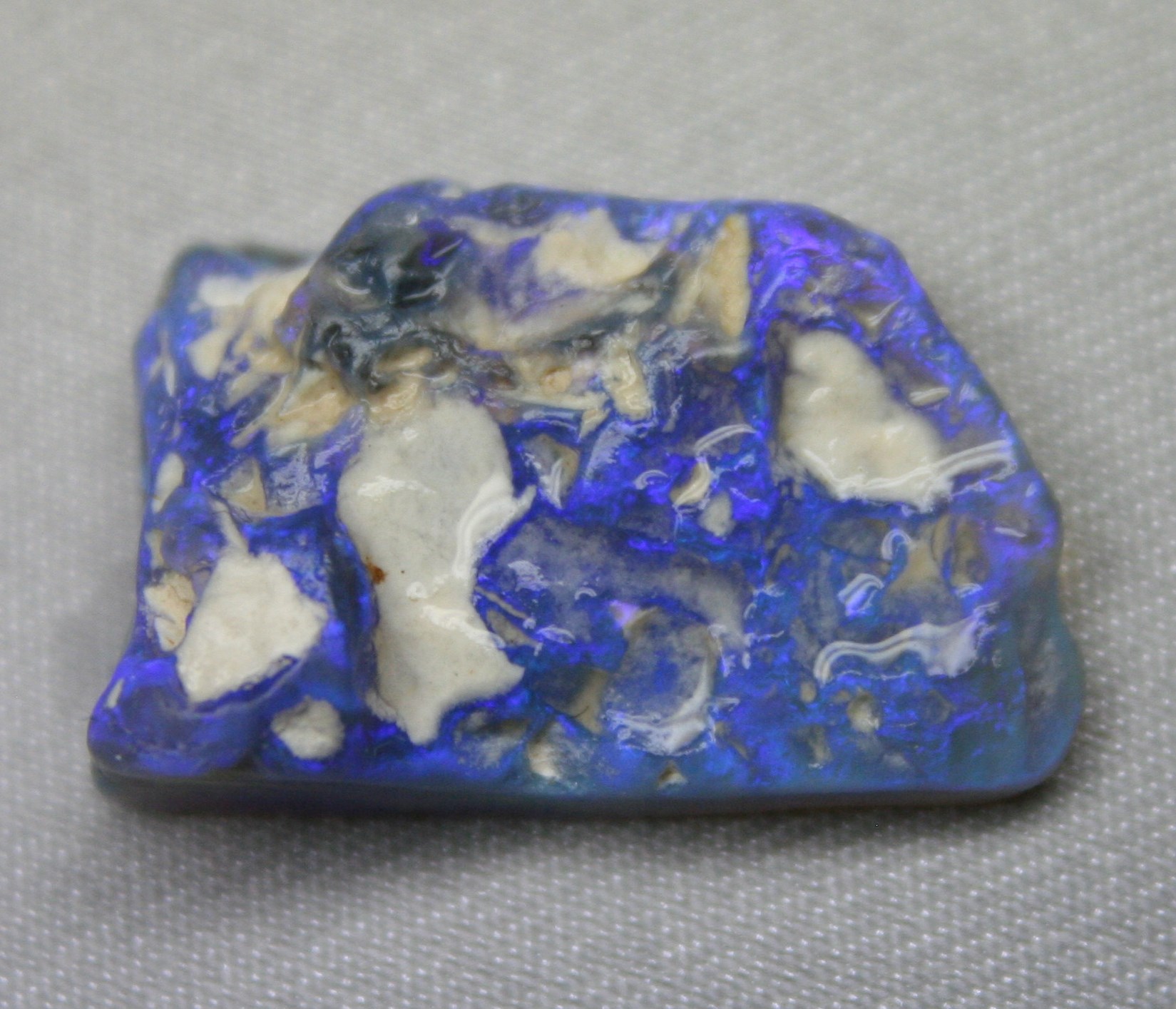
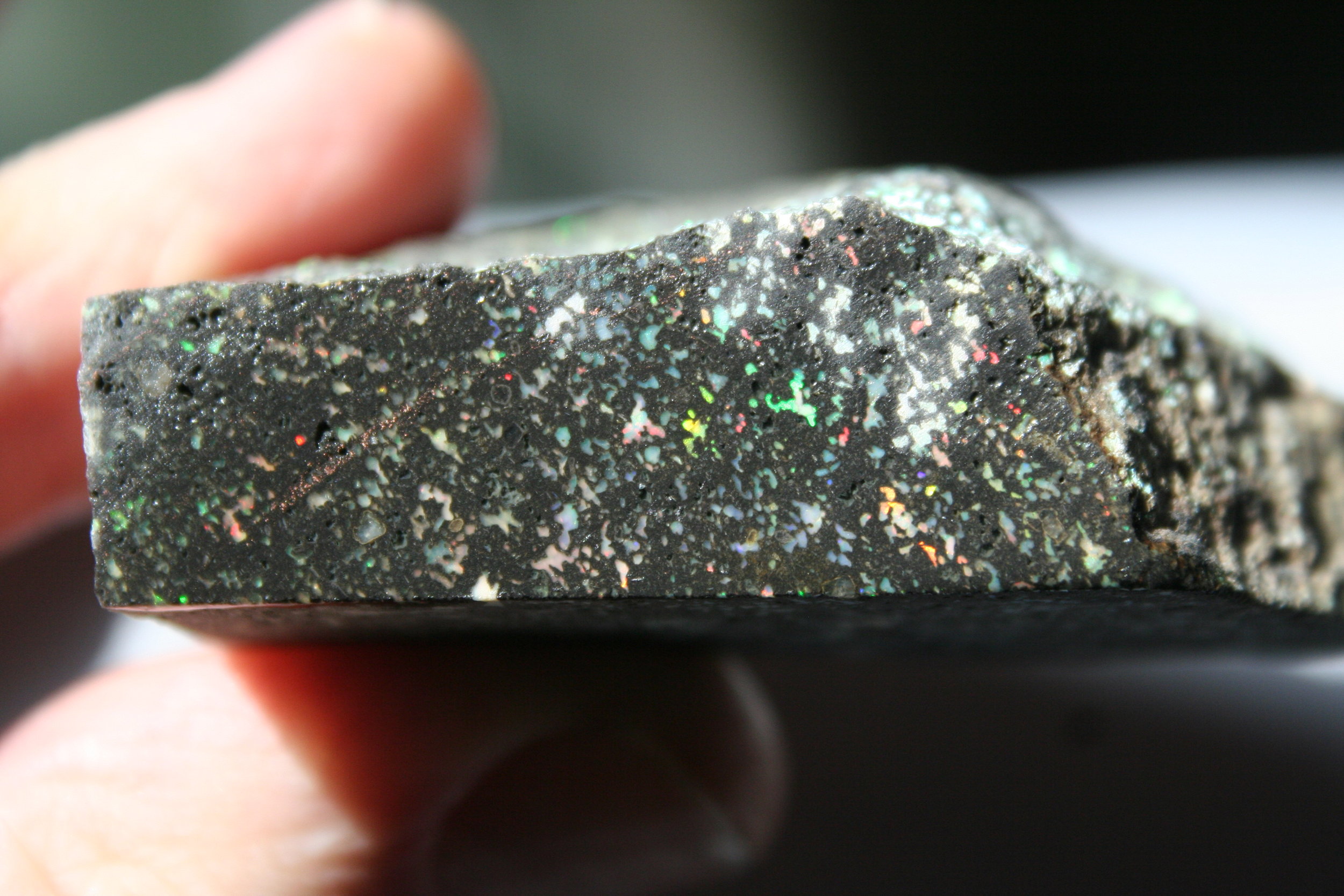
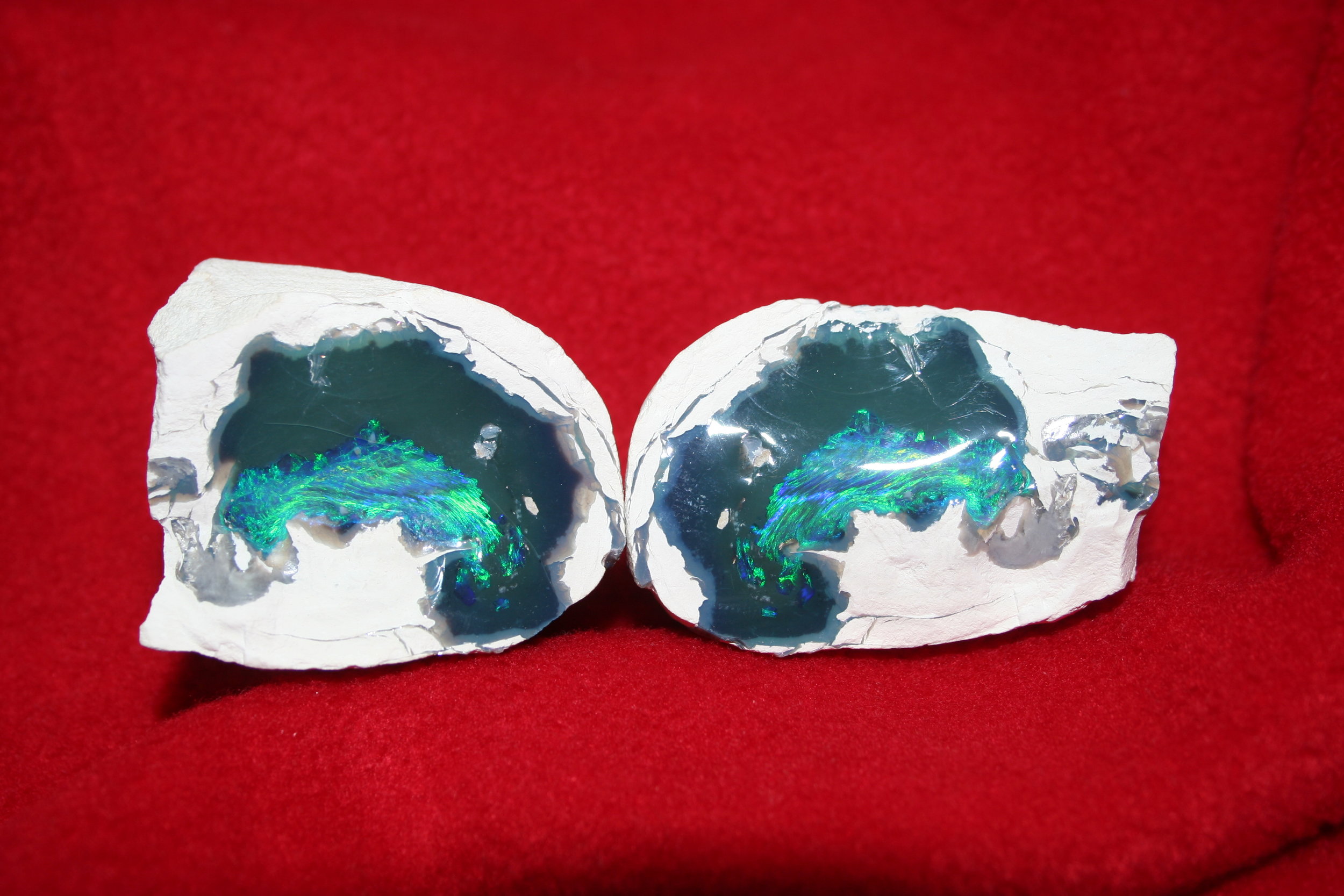
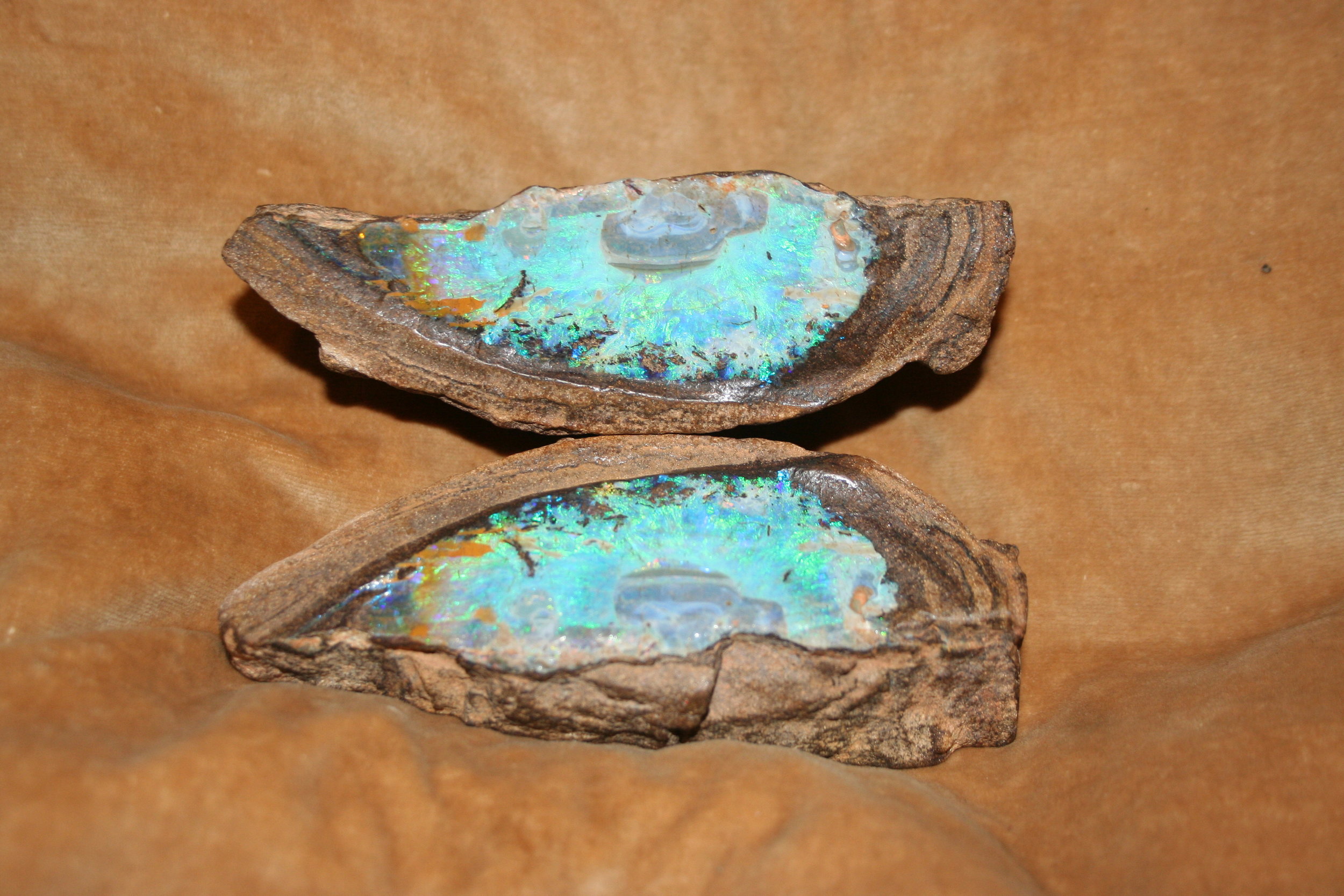
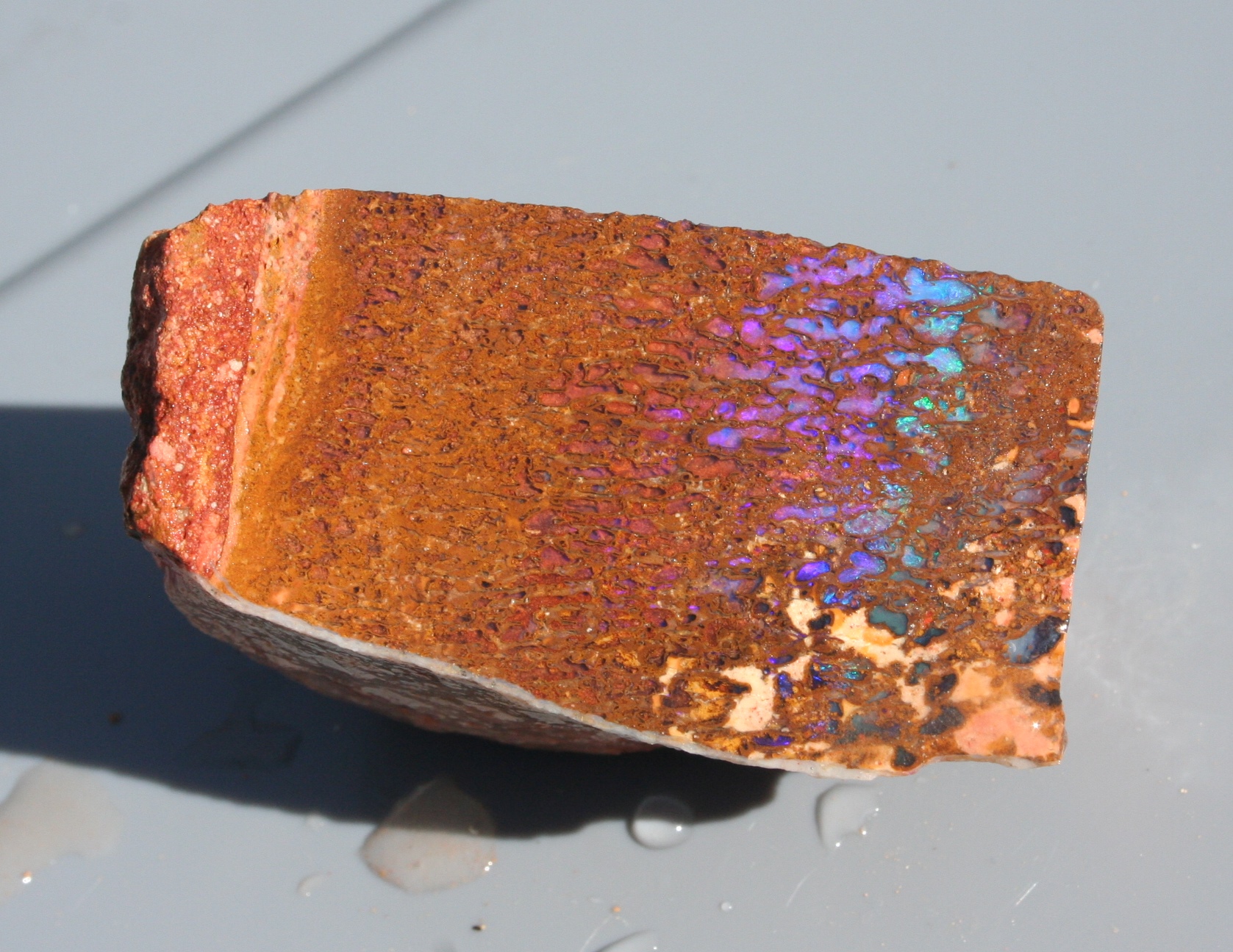
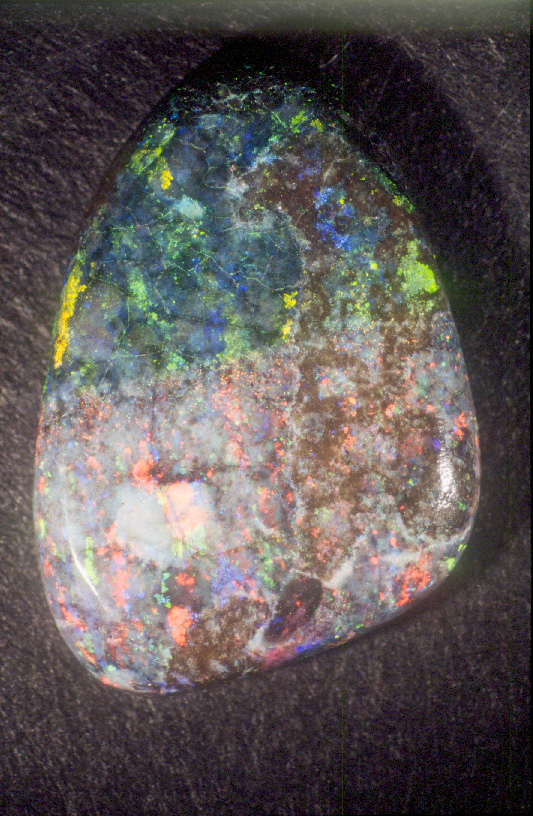
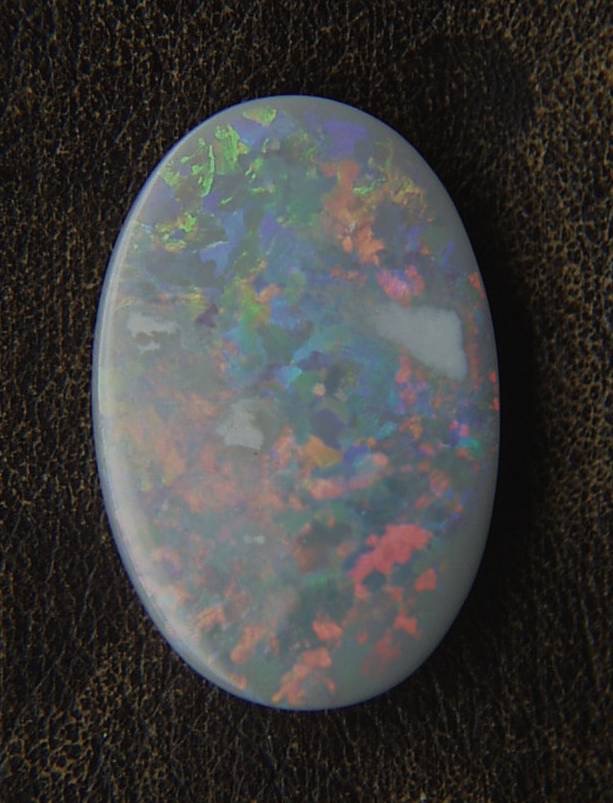
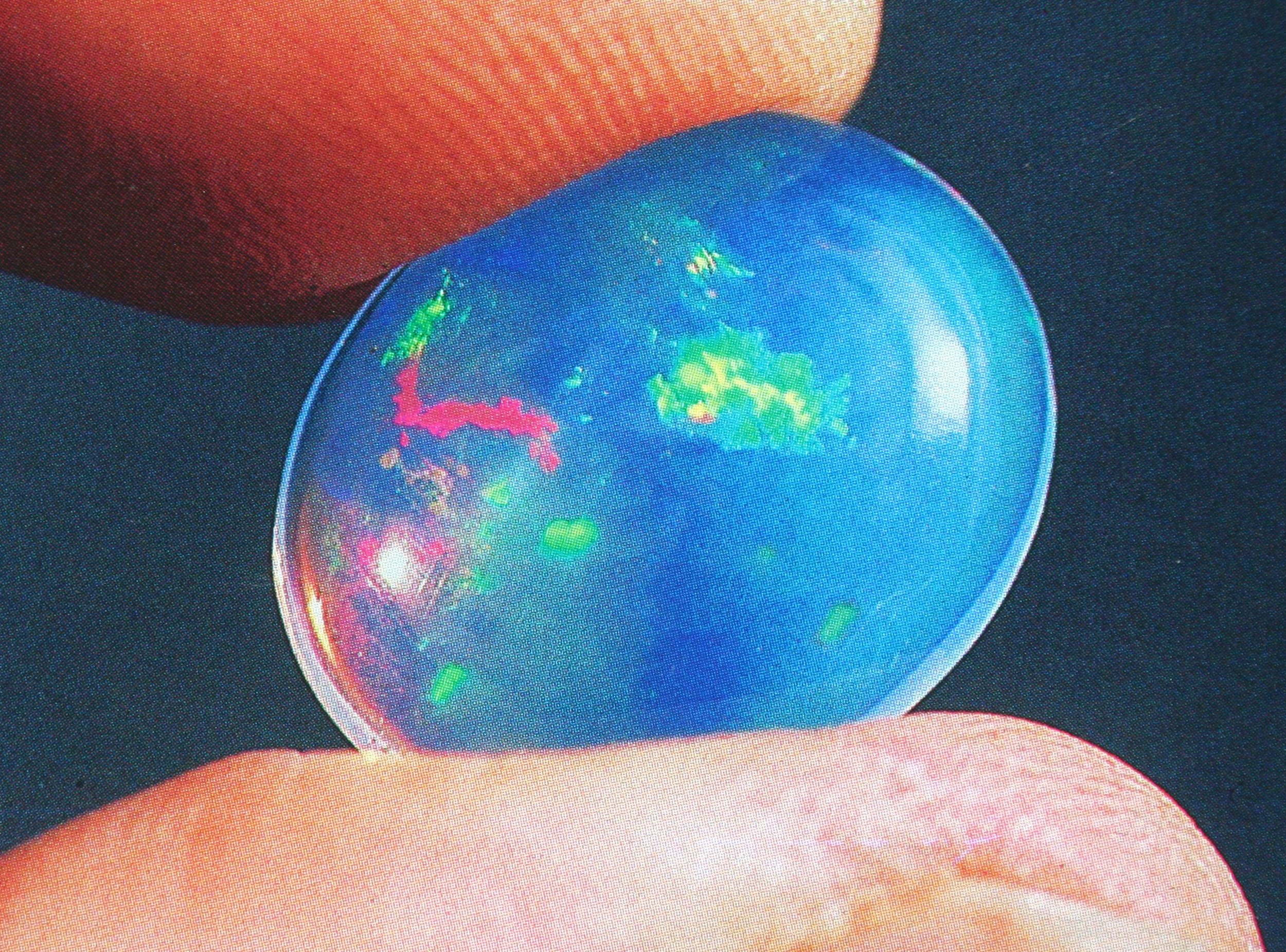
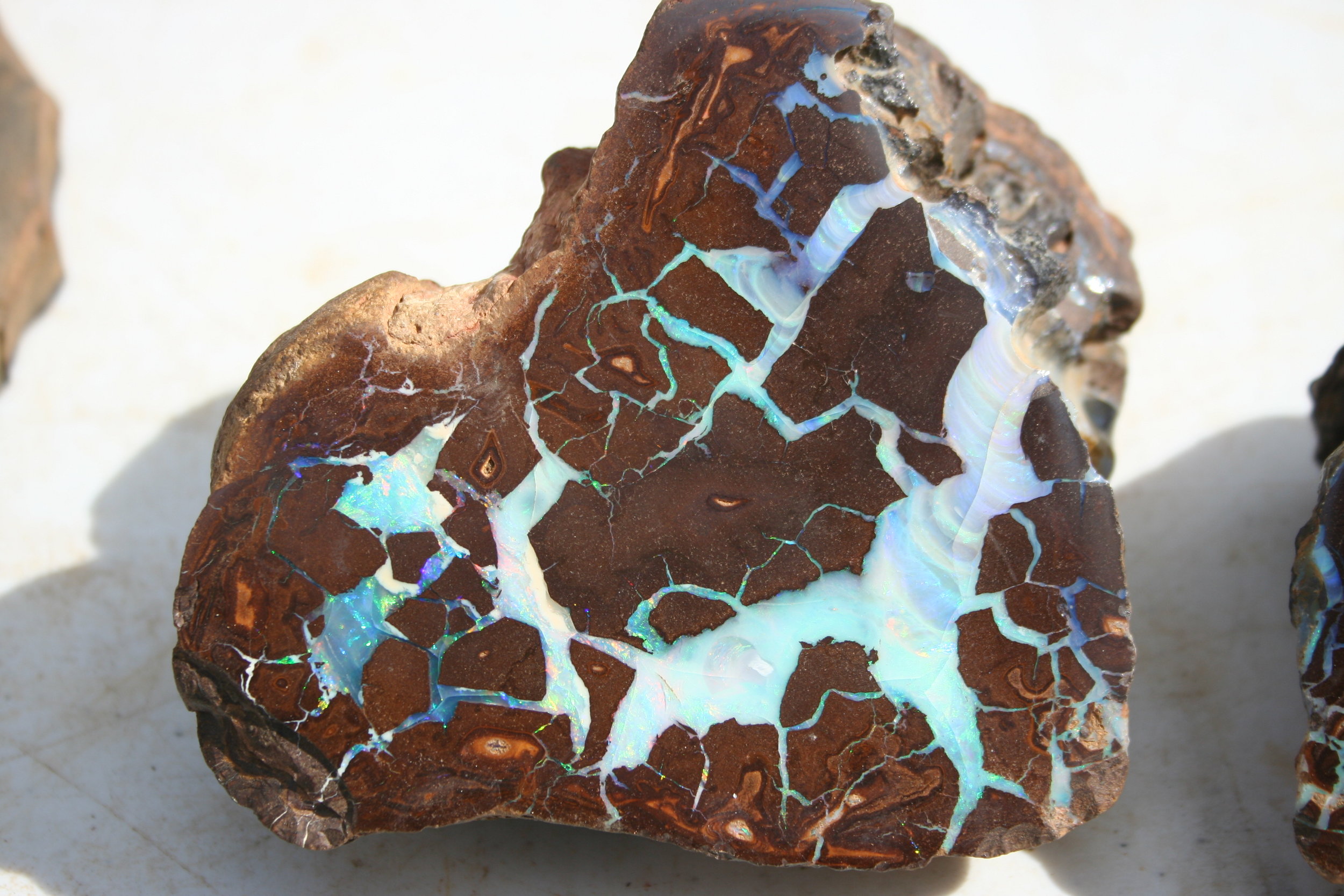
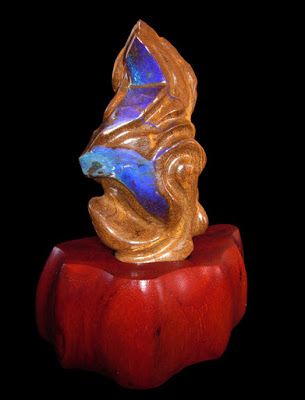
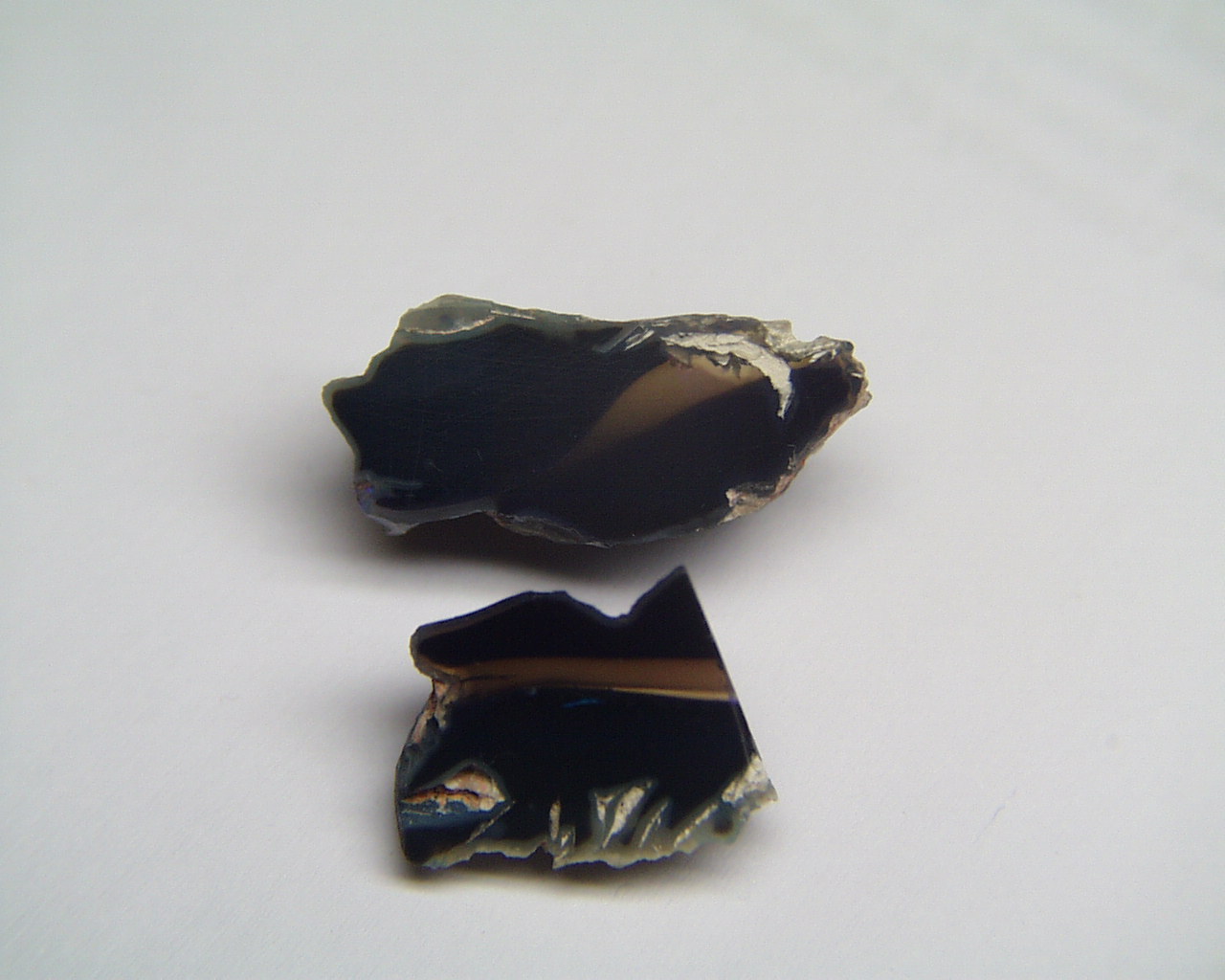
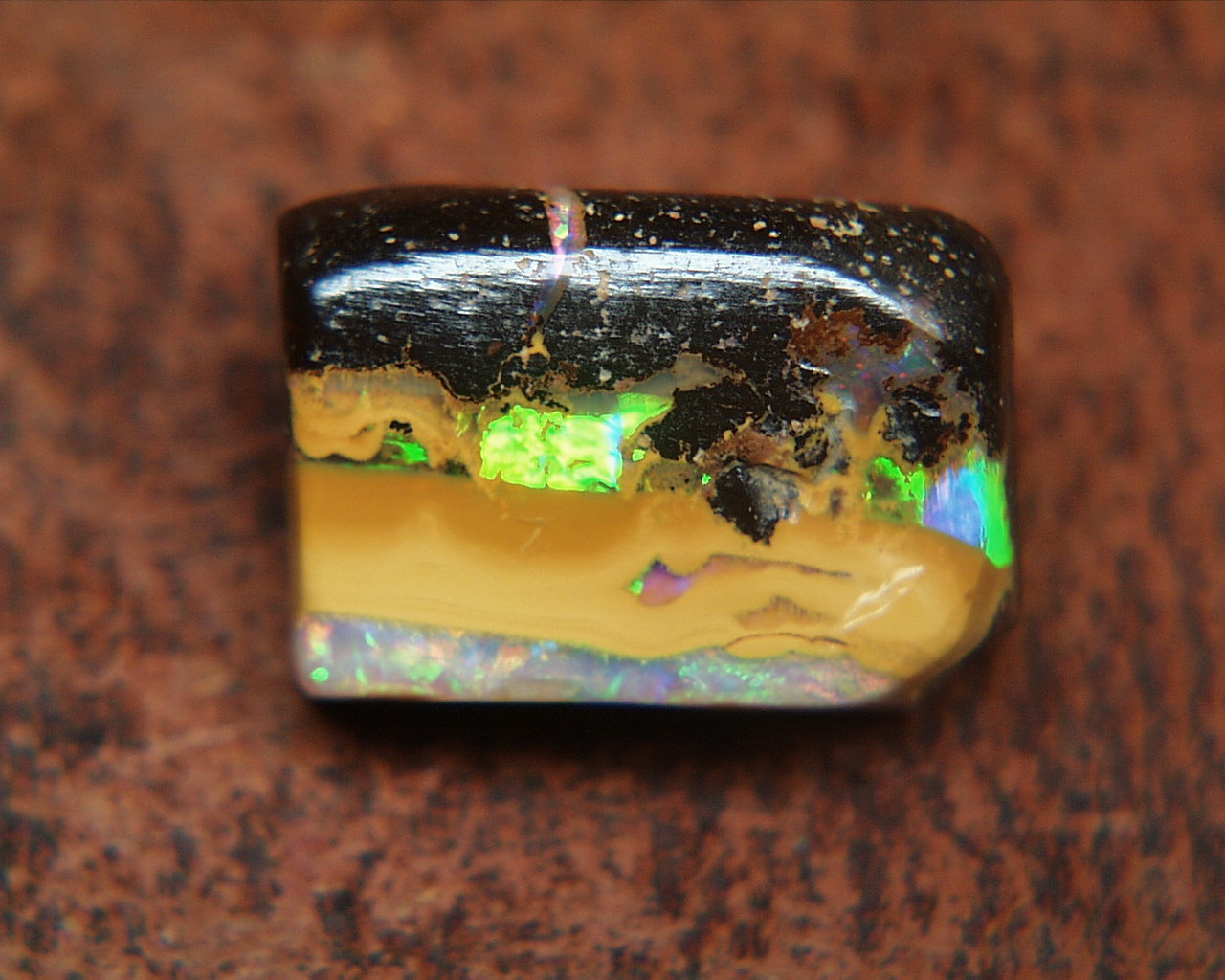
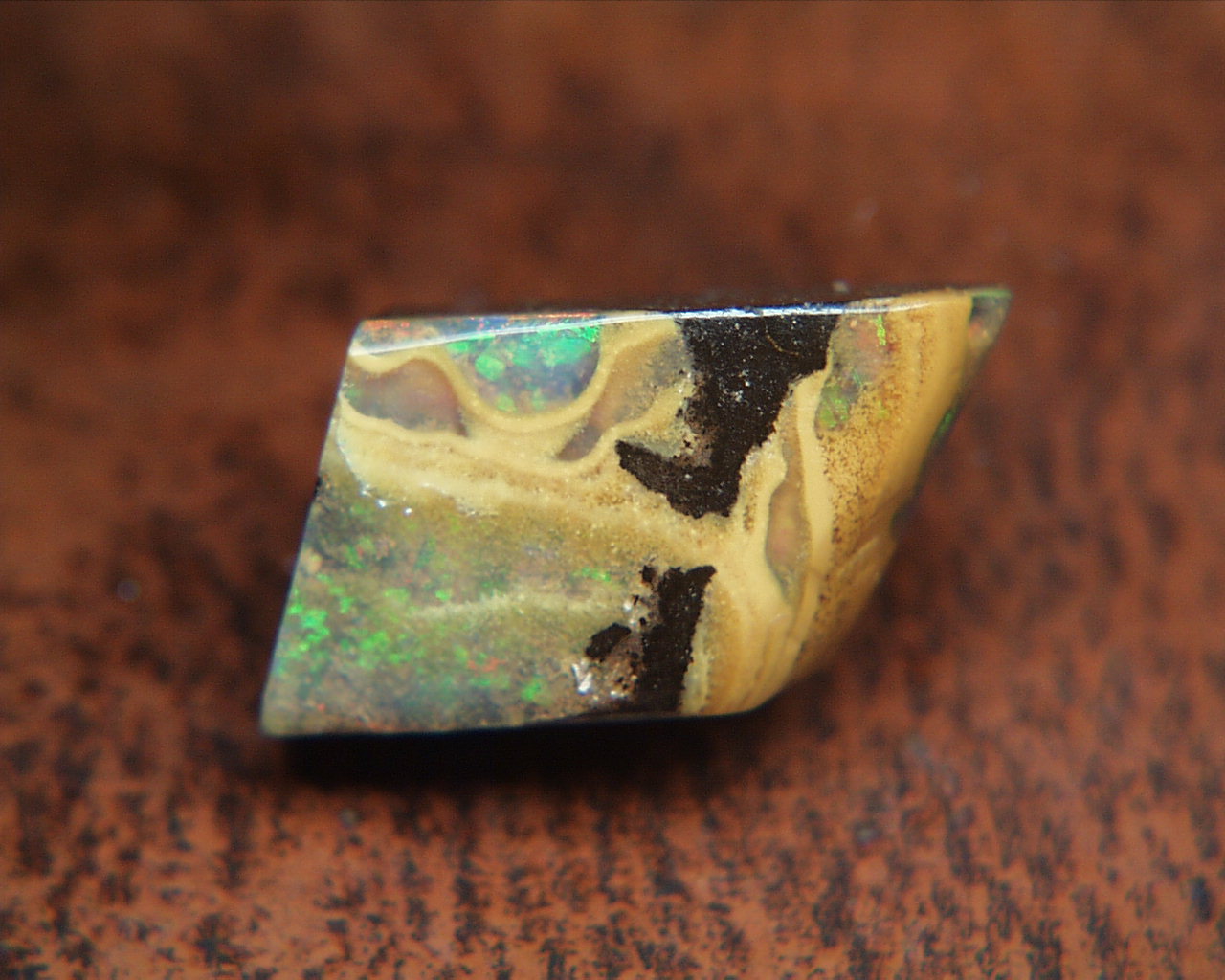
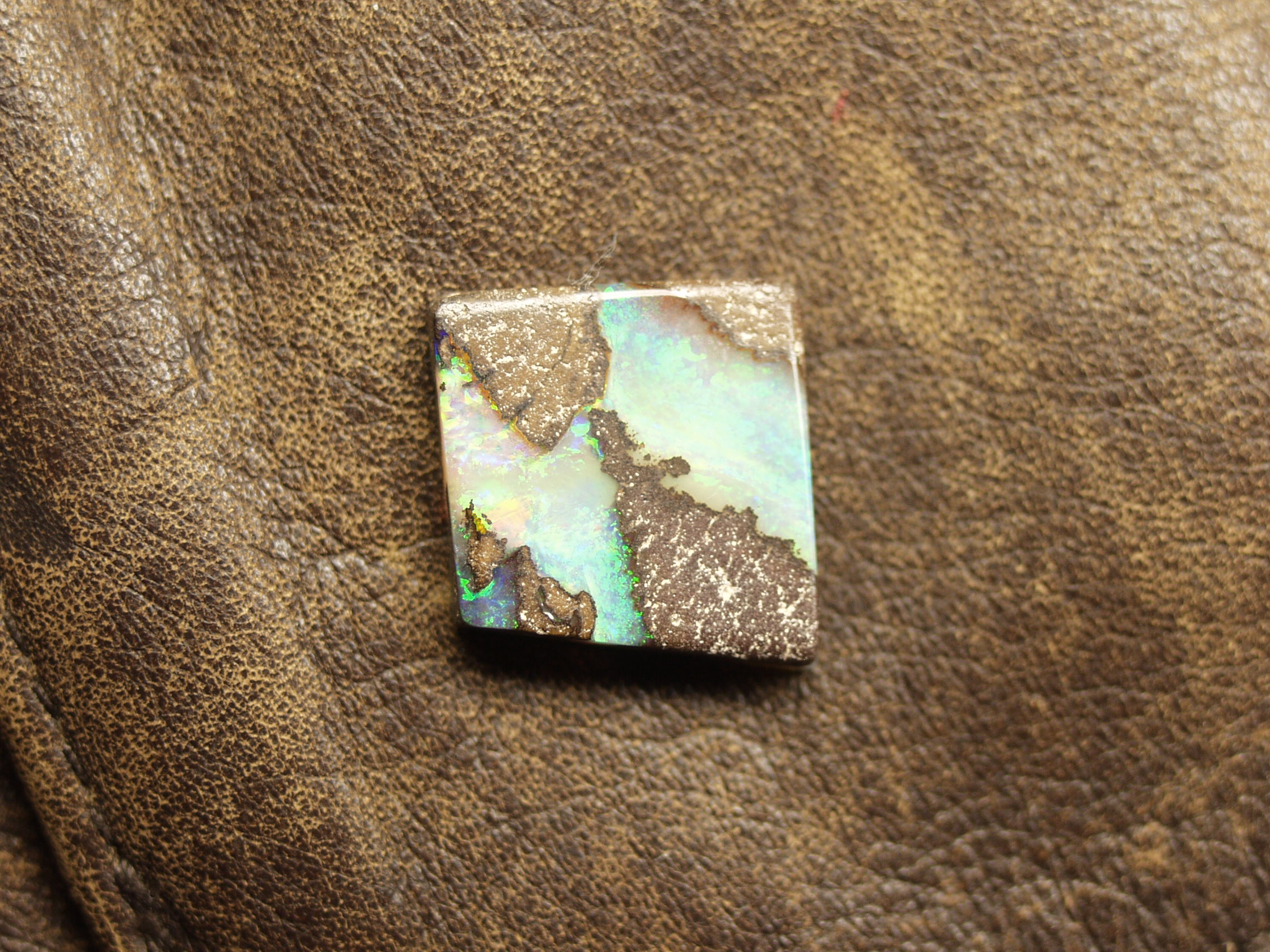
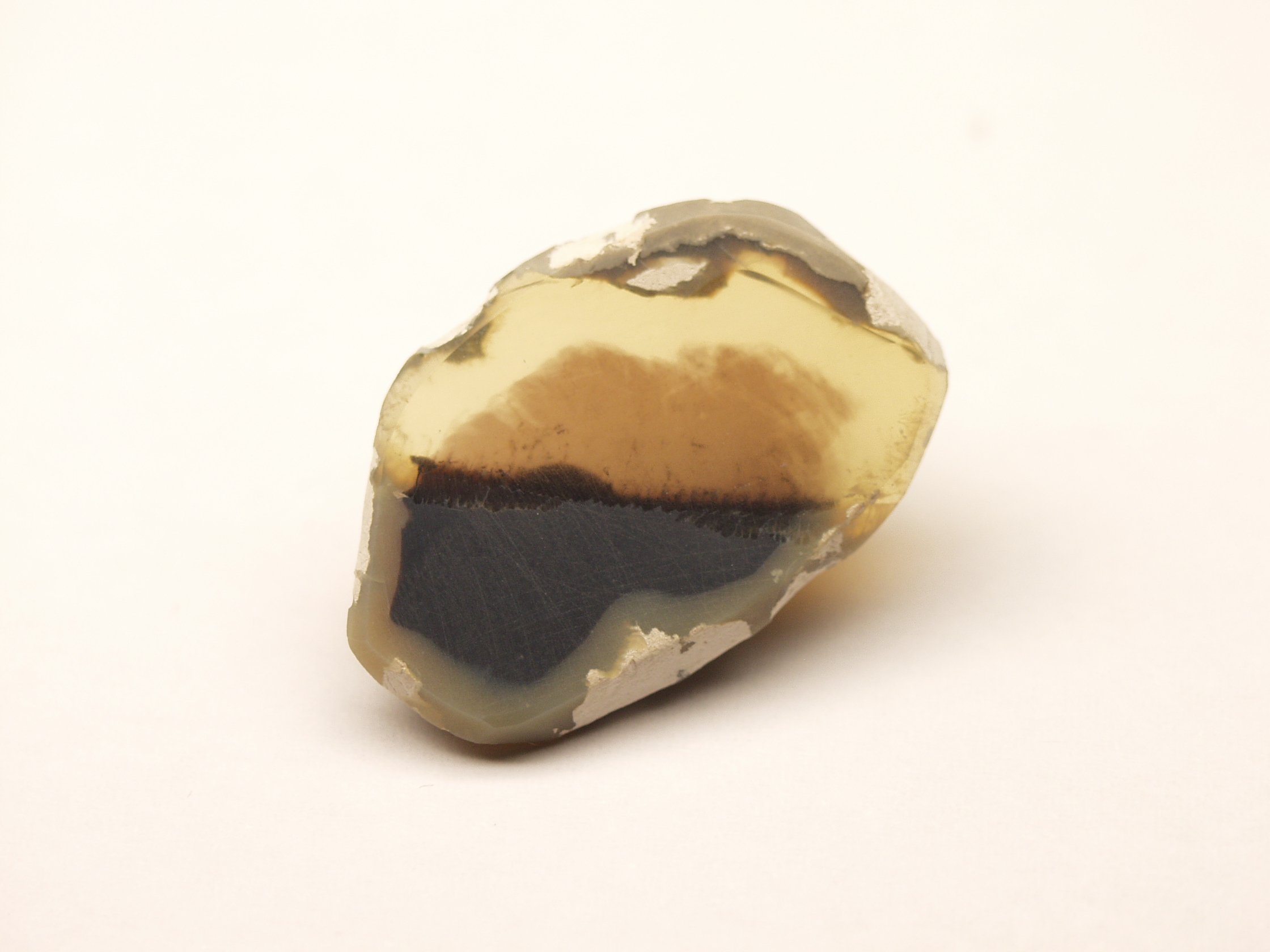
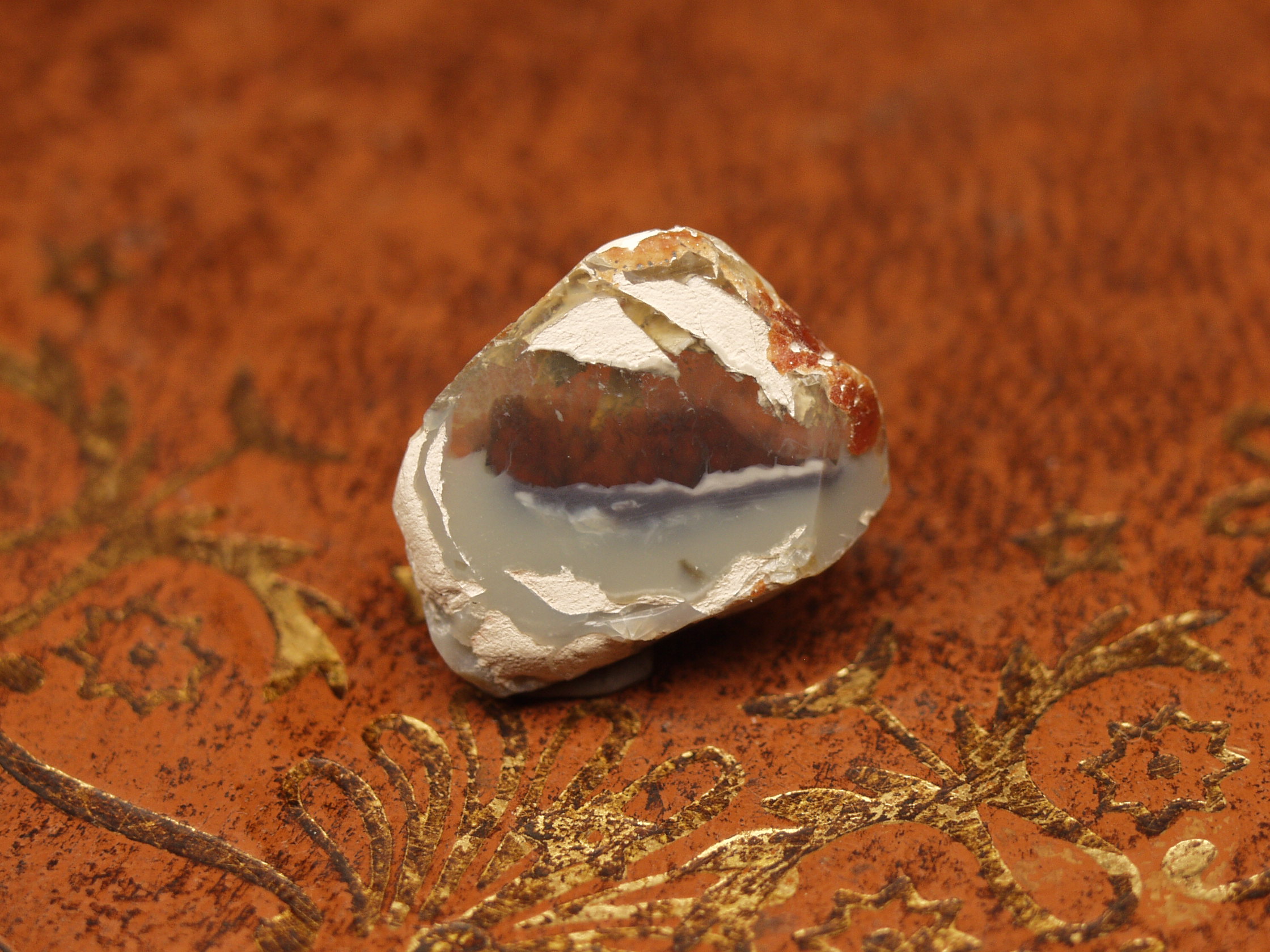
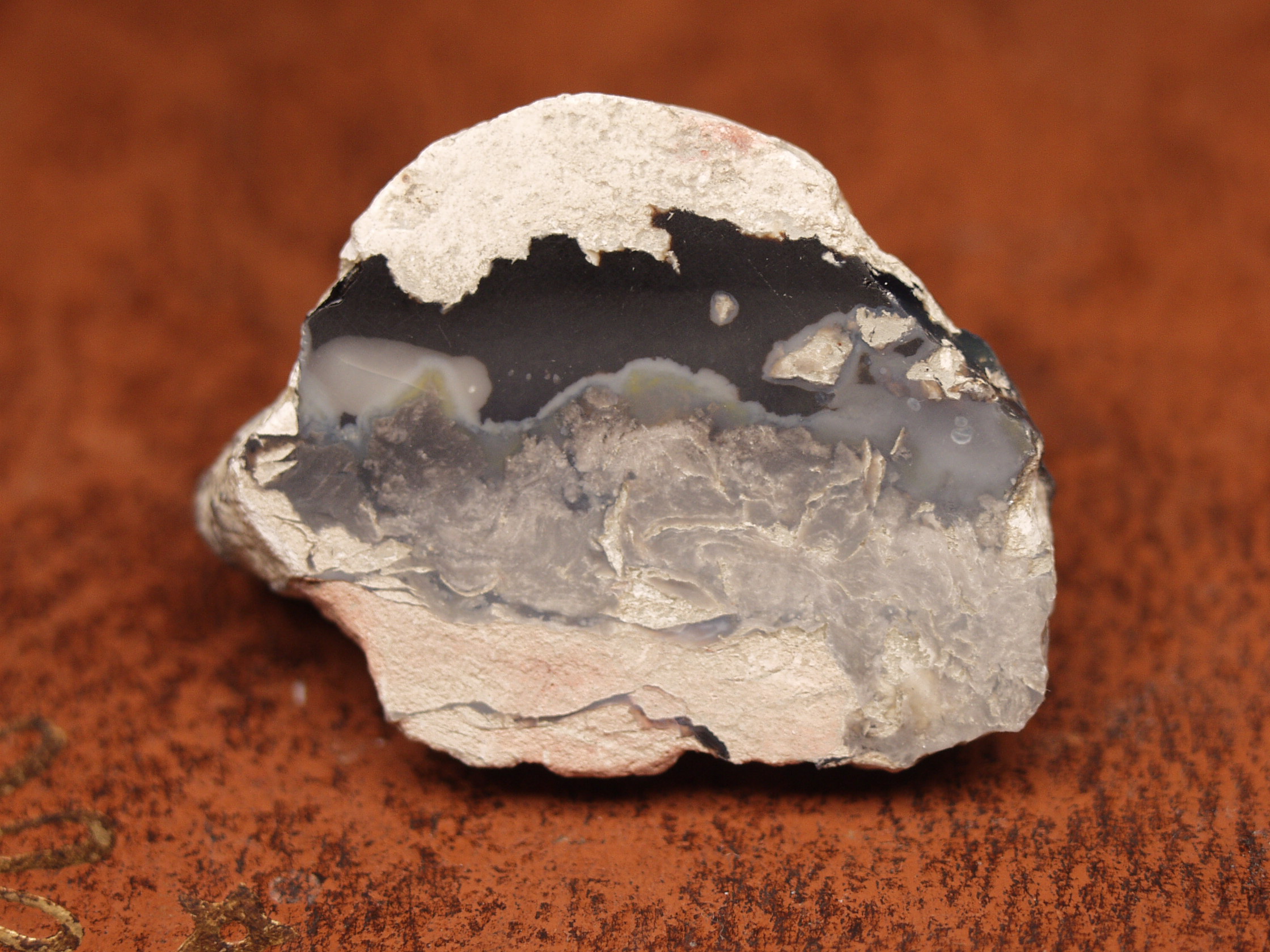
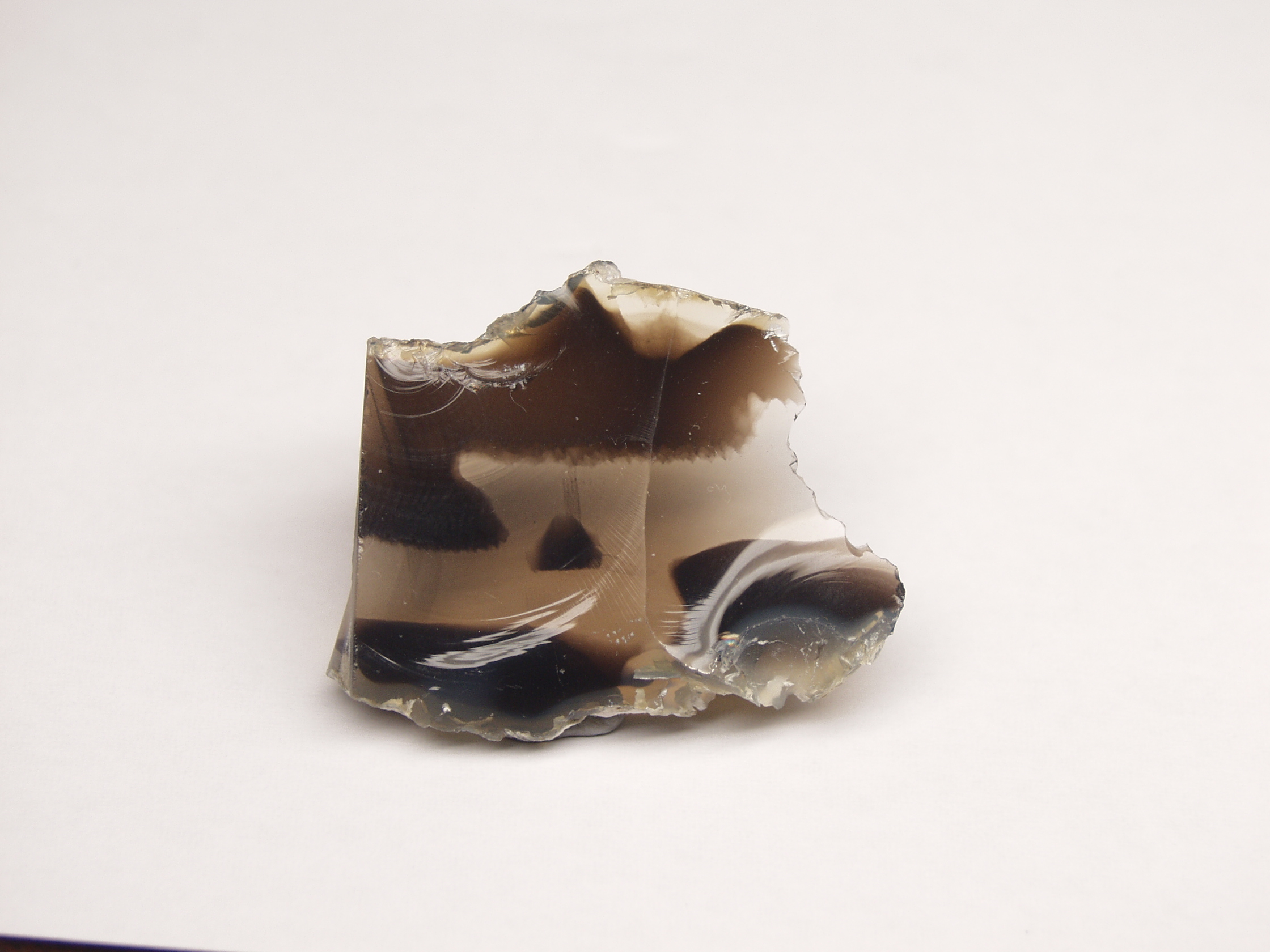
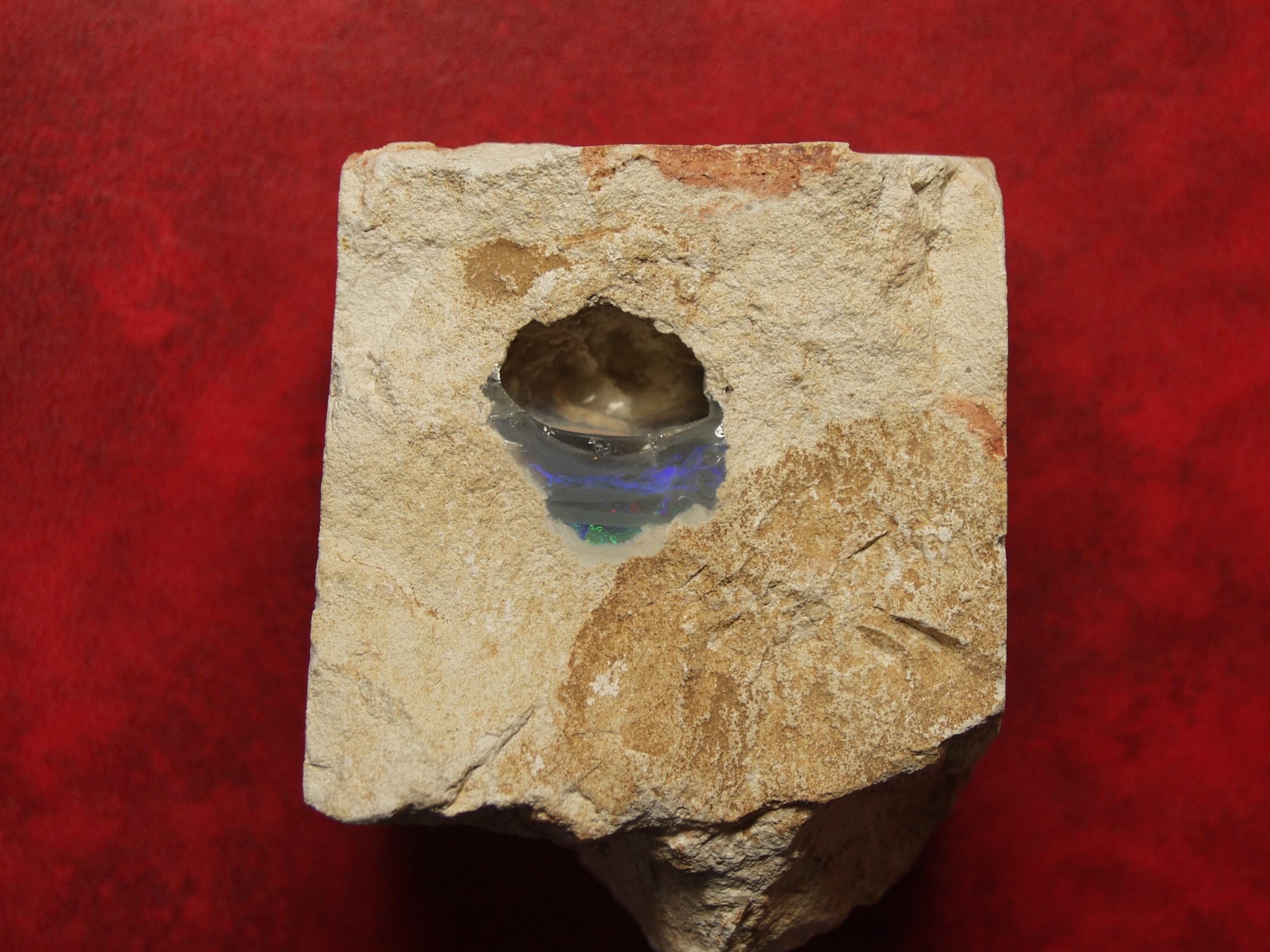
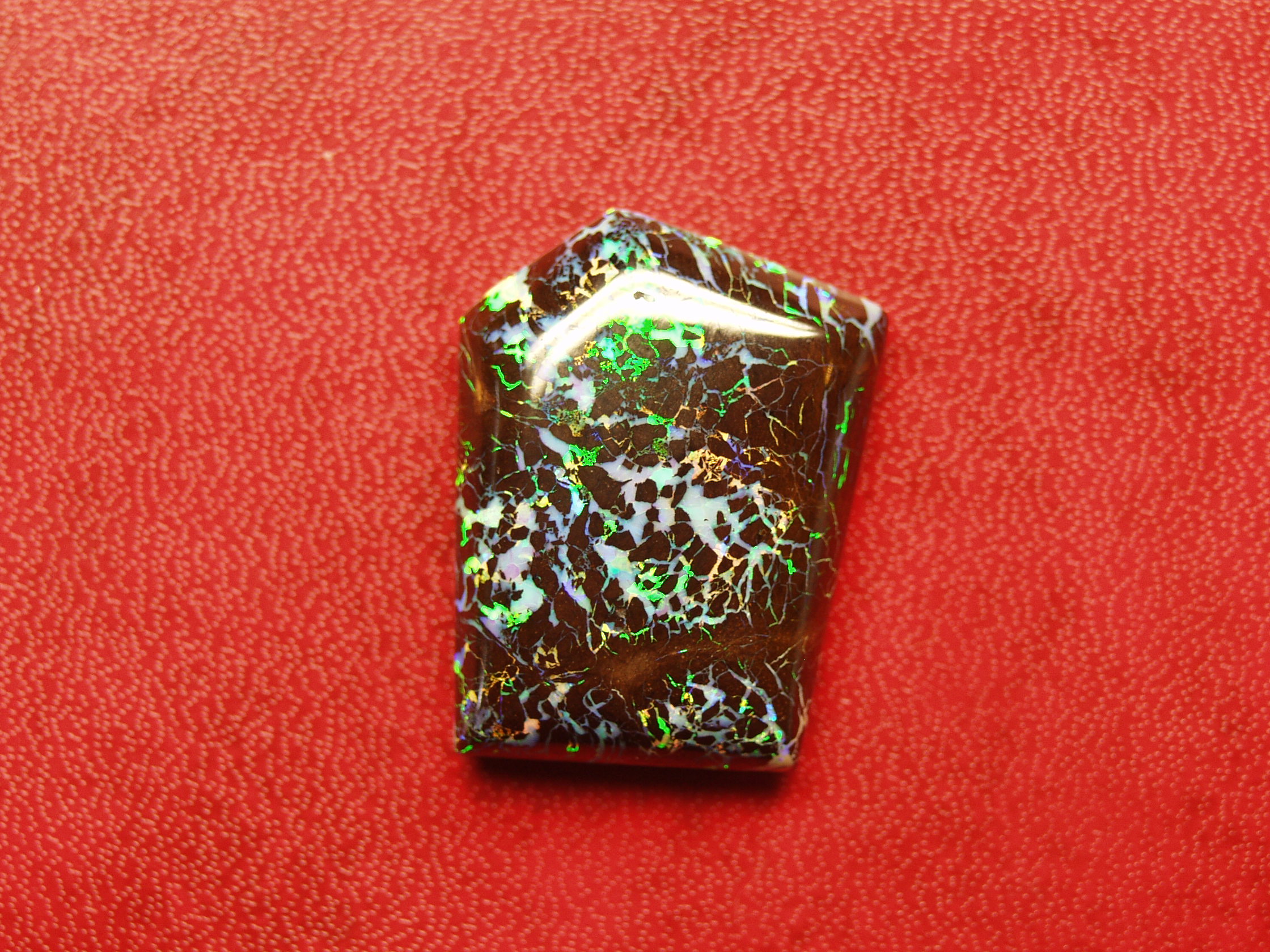
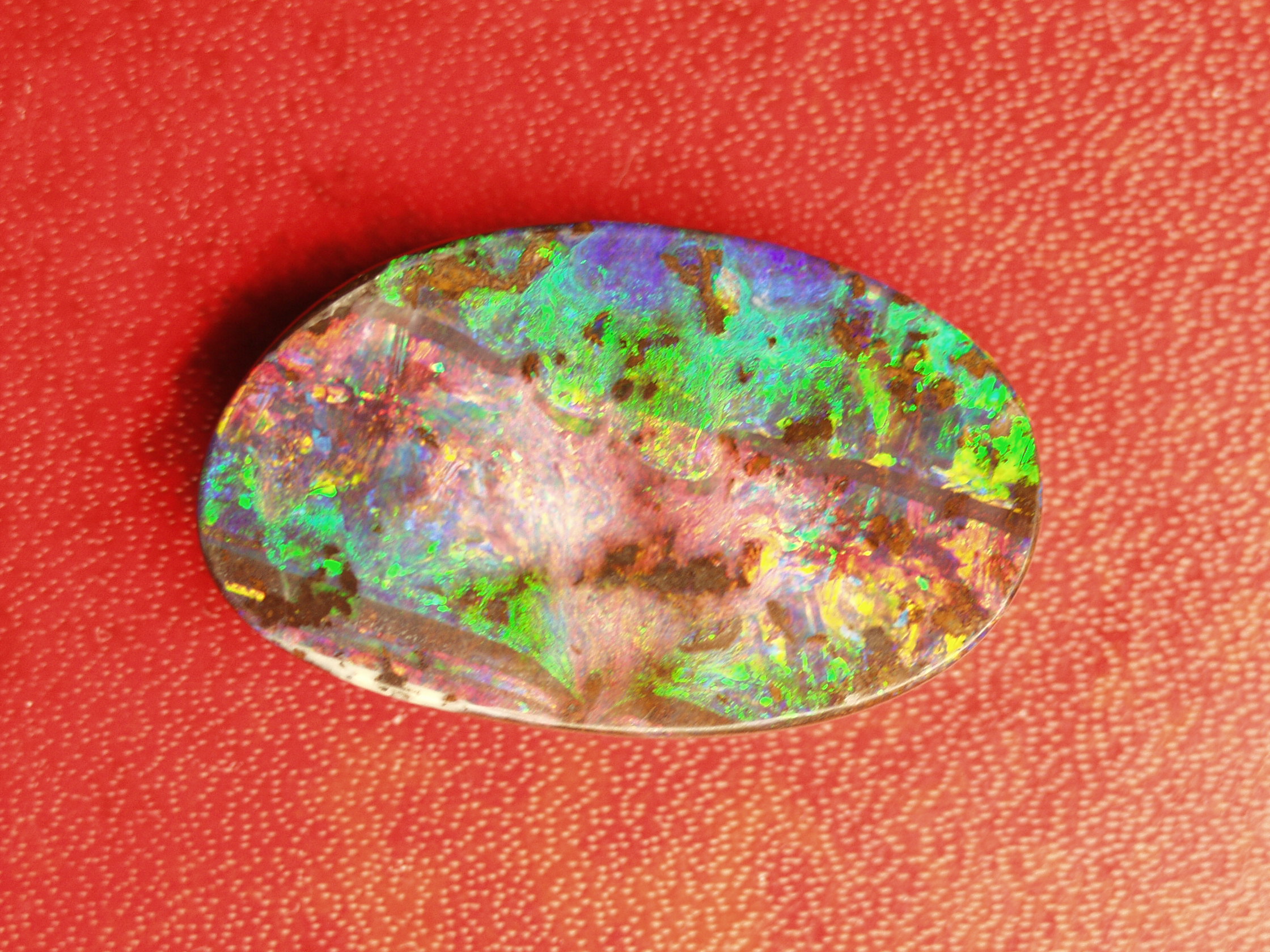
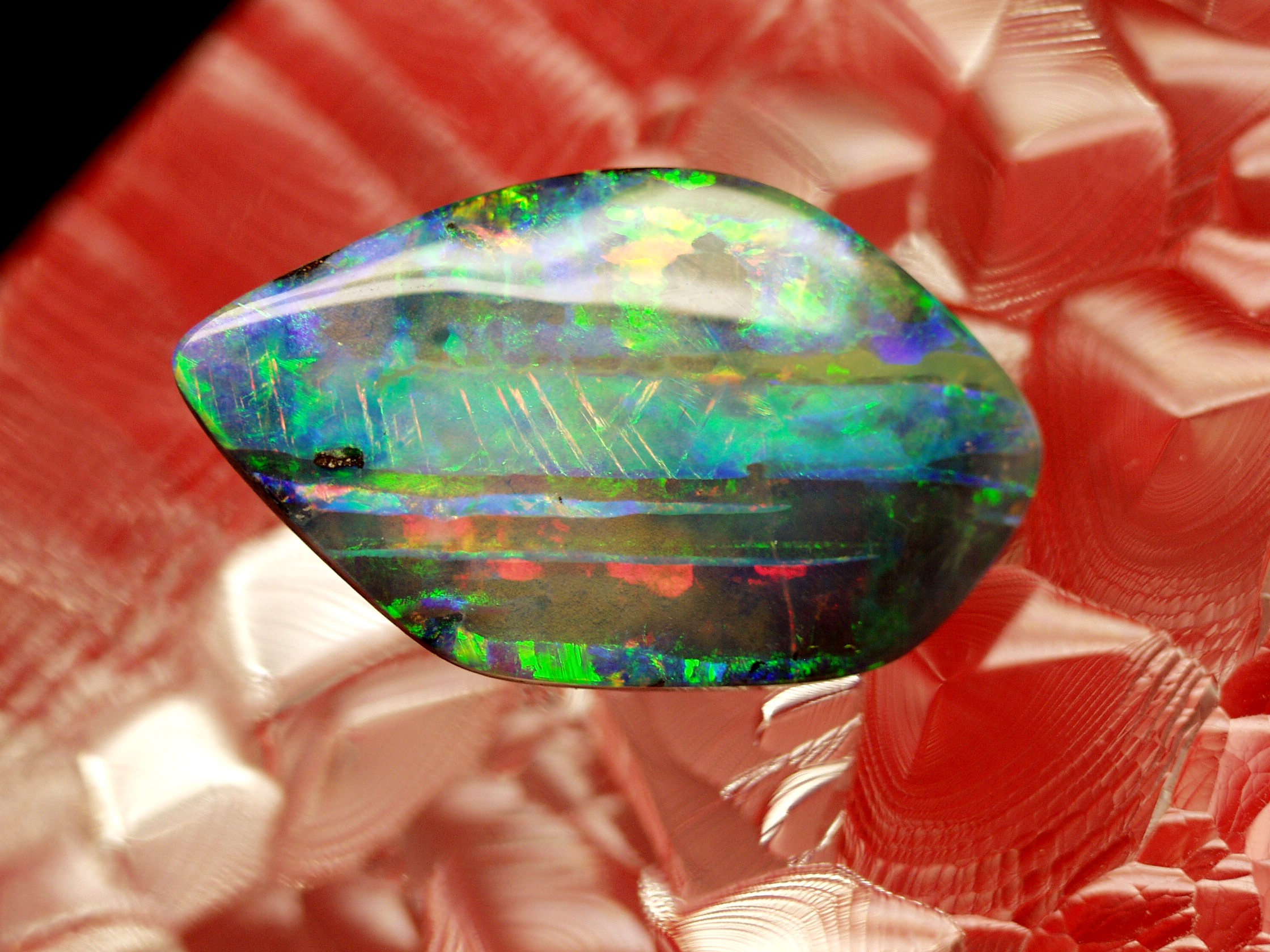
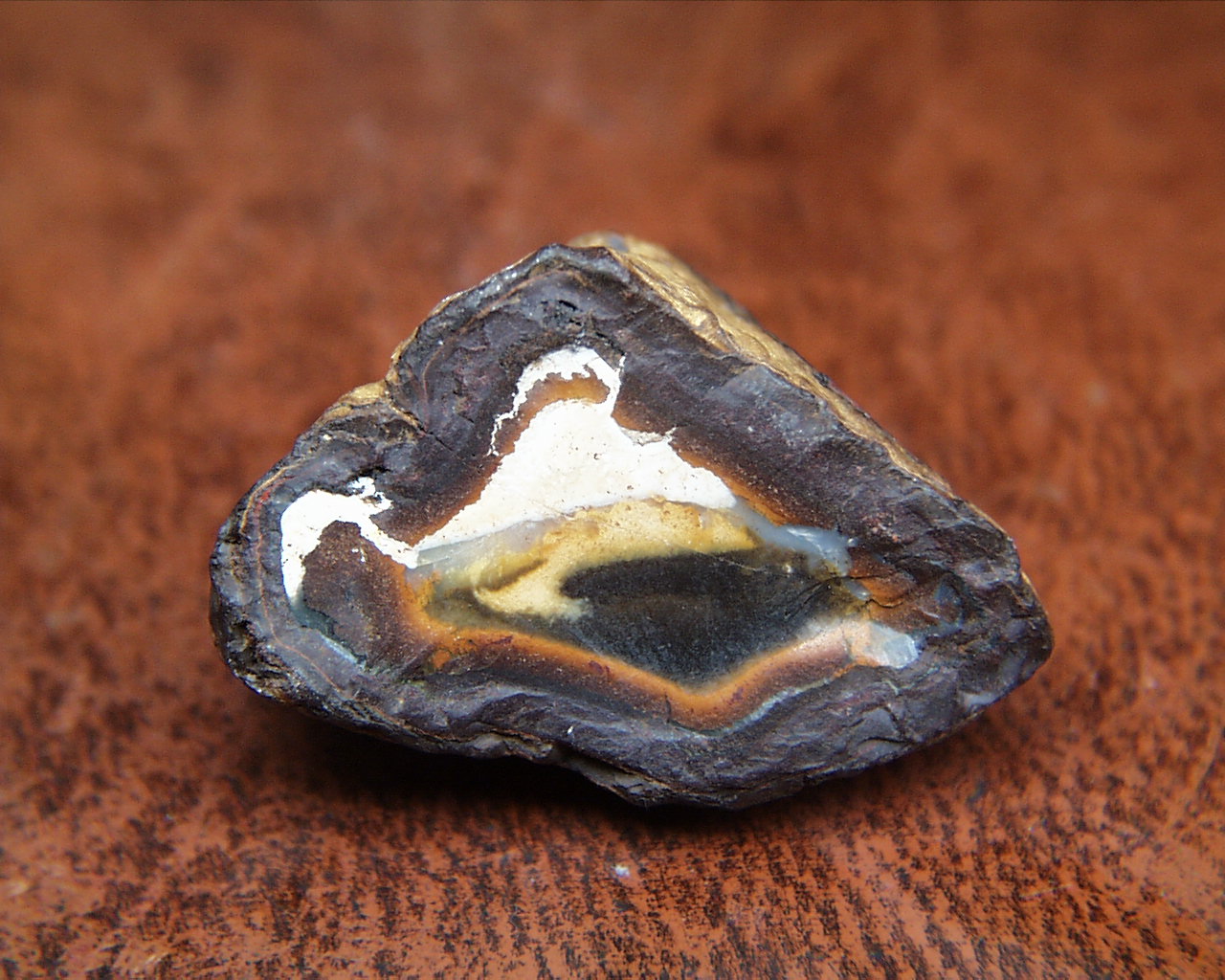
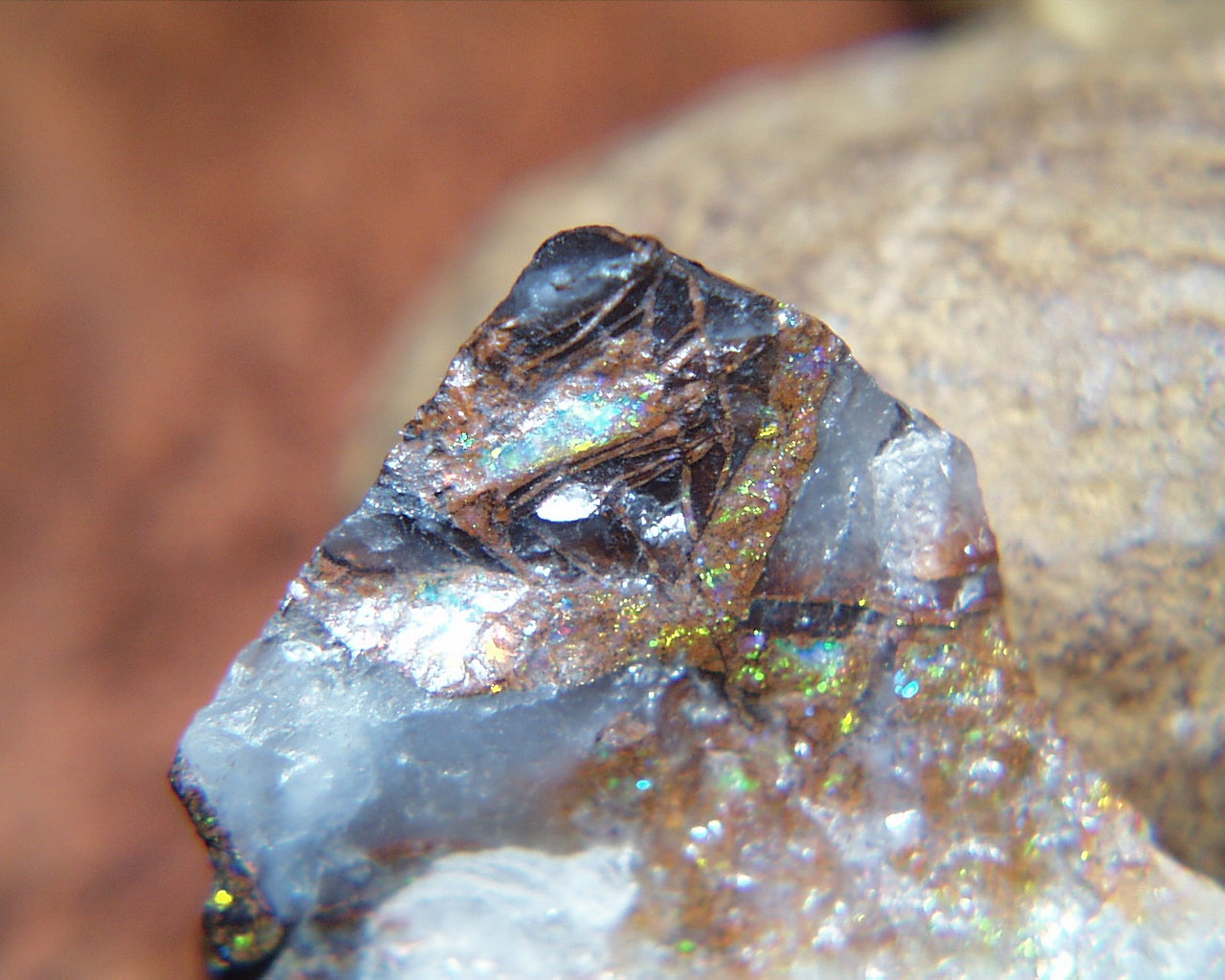
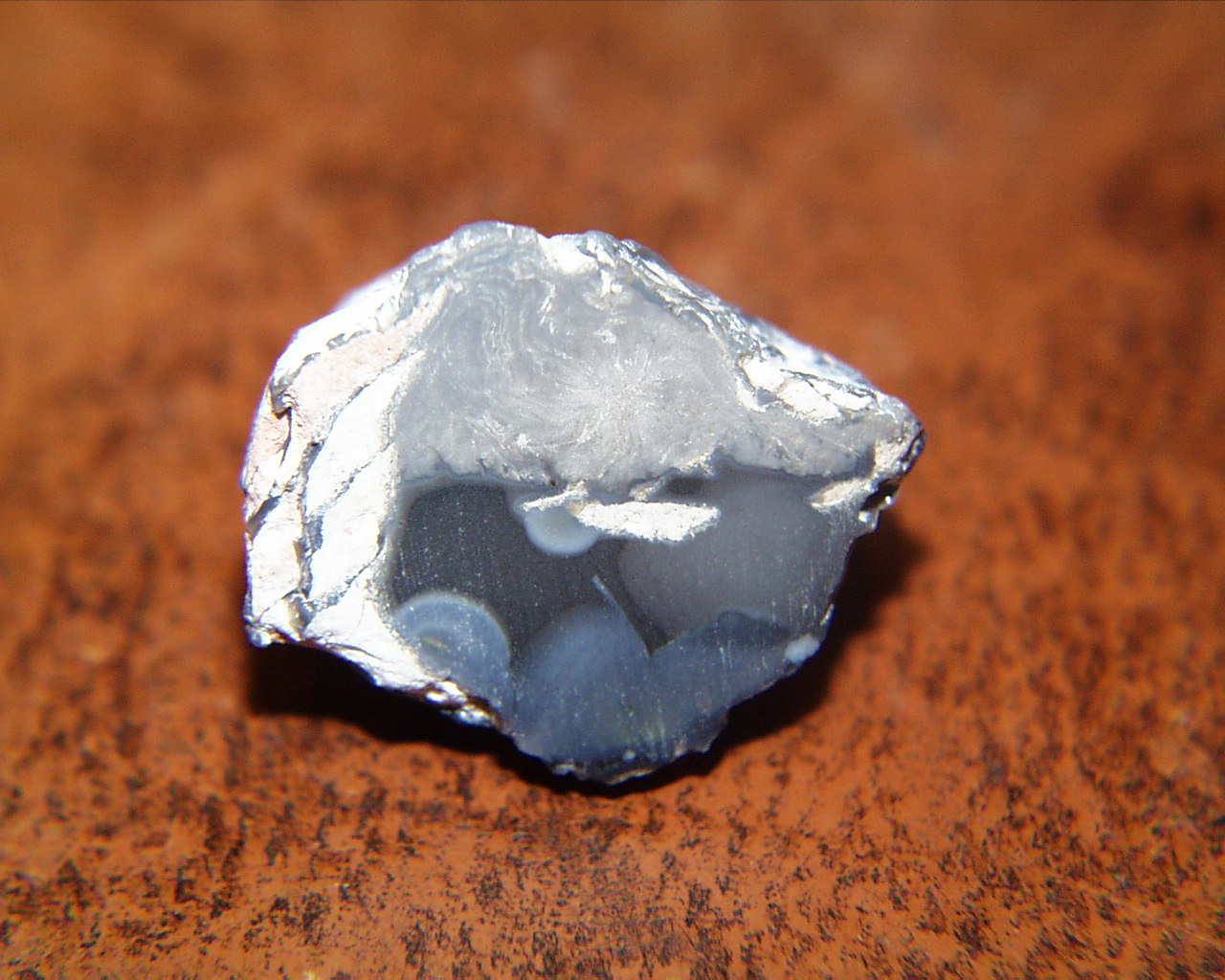
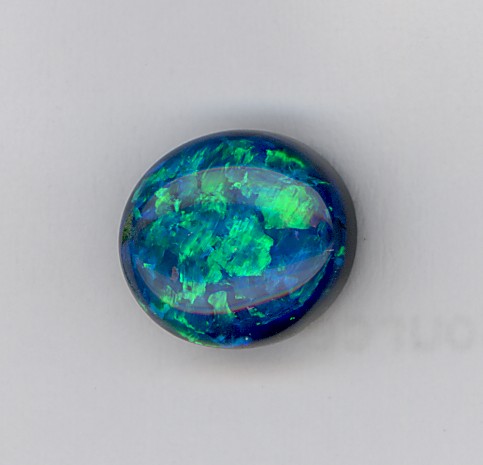
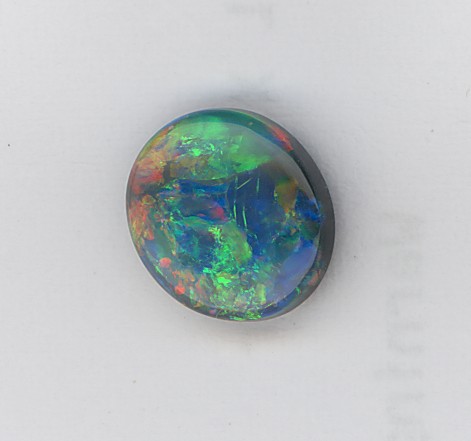
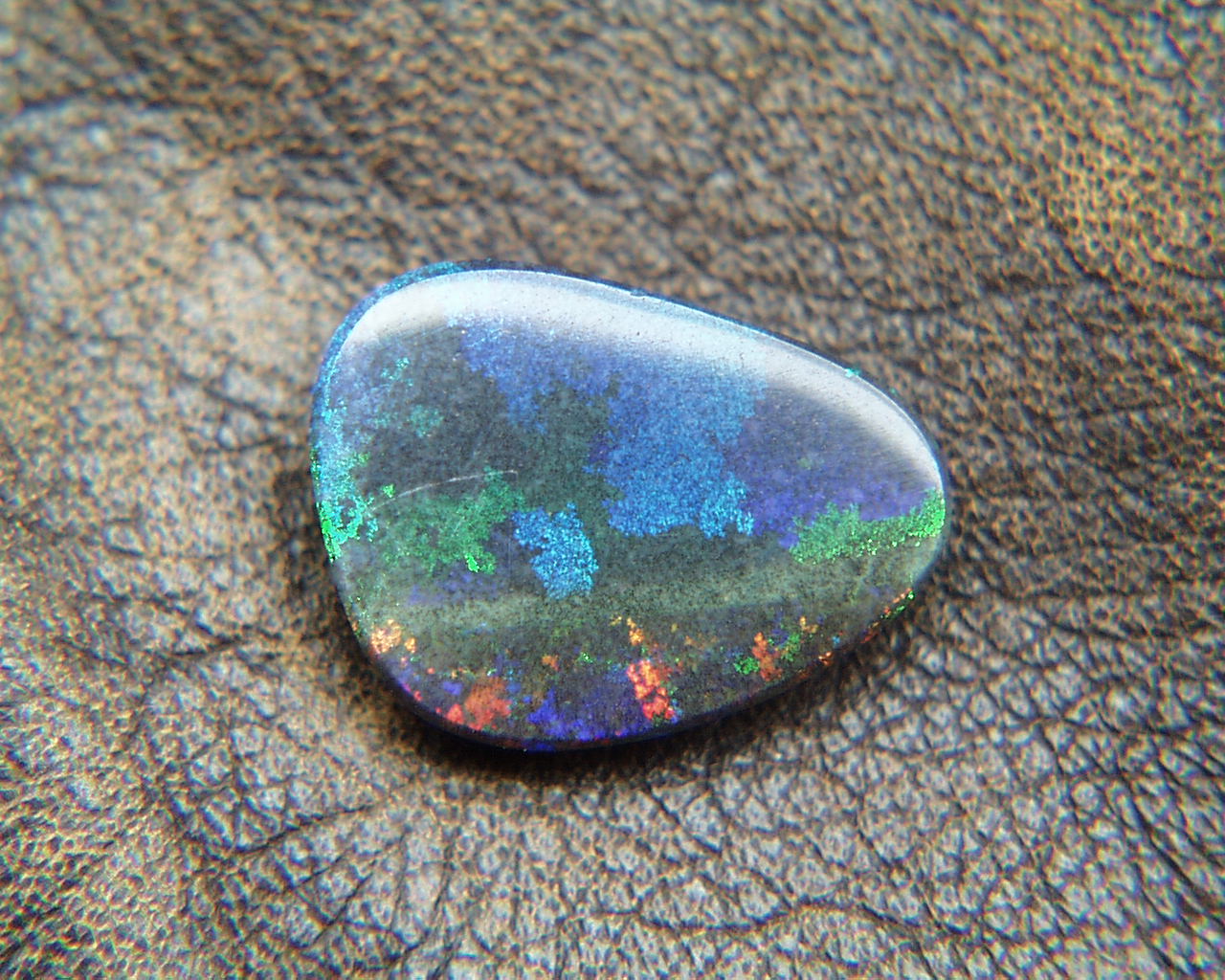
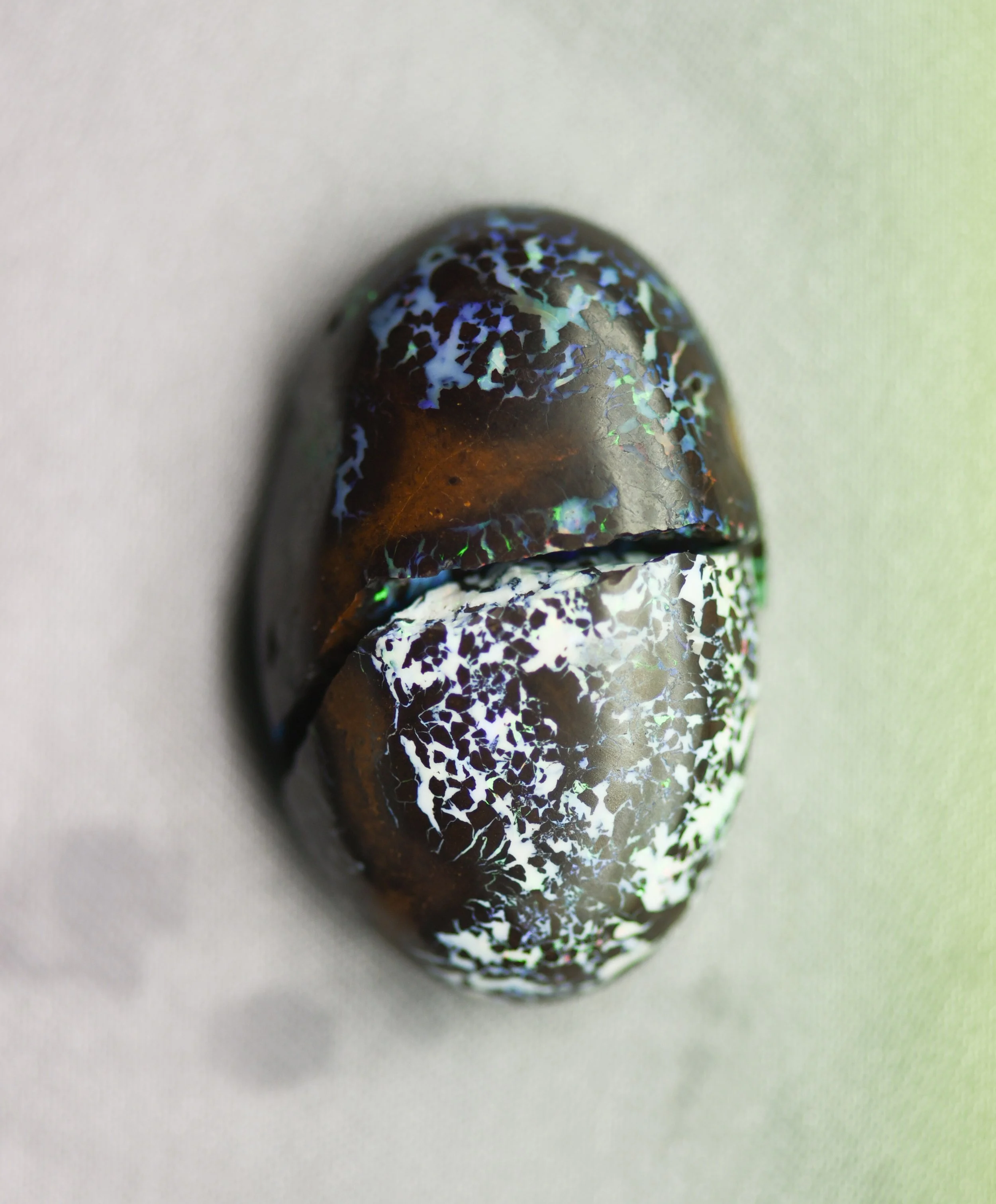





Opal Academy examines an interesting specimen of ironstone boulder matrix opal with characteristics of hydrophane..
Alan Bartram is a third generation opal miner and a long standing member of the opal industry, he was recently awarded the honour of “Medal of the Order of Australia” (OAM) in the Kings Birthday honours list June 2025.
Andamooka township is located 640 kilometres by road north of Adelaide and approximately 110 kilometres north east from Woomera on the road to Roxby Downs and almost on the western shore of Lake Torrens in South Australia. The opal was discovered in “floaters” after an outback thunderstorm.
The township of Coober Pedy is situated on the edge of the Stuart Range in South Australia, 838 kilometres by road north of Adelaide. Presented here is a short discussion about one of Australias largest opal producing fields.
Don Completed his Doctorate at the Colorado school of mines, and spent many years employed with the USGS. Whilst I am not sure of the exact time I came in contact with Don, we shared a mutual enthusiasm for gemology, geology and specifically precious opal.
Boris Chauviré is an international opal researcher operating from his home country in France. Boris has spent much time as a field gemmologist in Ethiopia, documenting the occurrence, and geology of this more recent precious opal occurrence Boris’s research is an invaluable contribution to opal science.
White Cliffs Opal field and township is located approximately 95 kilometres North North West of the township of Wilcannia in NSW. Wilcannia is located on the Darling River and Barrier Highway some 192 kilometres east of Broken Hill or 980 kilometres west of Sydney in Parish of Kirk, County of Yungnulgra.
Scientist Neville Curtis, primarily researching the silica polymorphs Opal-AG, Opal-AN and Opal-CT
The township of Lightning Ridge NSW, originally named Wallangulla, is located 750 kilometres North West of Sydney and just off the Castlereagh Highway in the Counties of Finch and Narran.
Precious black opal is an exquisite gemstone, opal is often referred to as “the Queen of Gems”
This mineralogical text provides the most up to date description of opal and opaline silica for its time, published in 1962, only a few years before Australian scientists discoveries of the structure of precious opal.
Recently there was some discussion on the Australian National council of Jewellery valuers about opal on Mars. We have prepared this post with the knowledge we presently have available. Comments welcome
Precious hydrophane opal is a variety of precious opal (opal that shows a play-of-colour) that is absorbent. Typically it absorbs water, however the porosity of the material also is indicative of the material being susceptible to absorbing other colouring agents. As such it poses a difficulty for gemmologists in identification procedures.
A series of archived photographs from the Sherman family archives showing the history of Coober Pedy in the 1930’s
Boulder opal is in most instances the name given to opal that occurs in ironstone concretions of varying sizes. When cut and polished with “the rock” is incorporated in the gemstone. In a nomenclature discussion this is determined to be defined as “Opal and rock”. This is the description given in the opal nomenclature which we continue to refer to in other blogs, and descriptions on the Opal Academy website.
A selection of early photographs of Andamooka opal fields from the Sherman family archives
Matrix opal has been defined as “opal presented in one piece where the opal is intimately diffused as infillings of pores or holes between grains of the host rock in which it is formed”.
In the original nomenclature published in the Australian Gemmologist Volume 19, Number 12, 1997 which you can read in the literature section of the website, or you can check out the Nomenclature page here………
When opal mining began everything was done by hand, as time progressed more innovations were developed by miners, this early part of opal mining shows these beginnings of opal mining.
The appreciation of a cut gemstone piece of precious opal requires discussion of the attributes of the Play-of-colour seen in the face of the opal. These attributes are separate from the normally discussed 4c’s of gemstone grading.
On the 22 of October 2021 an online discussion was aired in the interests of furthering our knowledge about precious opal, opal formation and opal fossils. Hosted by the Australian Opal Centre (AOC) and with contributions from most of the important opal commentators available at the time.
Precious or noble opal opal is found in the north-eastern state of Piaui in Brazil. The mining area around Pedro Segundo and the mining districts of Pedro 11 and Buriti dos Montes are well known for opal
Here are some items of art both musical and painted that have been inspired by precious opal
Paul Thomas is a senior lecturer in the school of mathematical and physical sciences at the University of Technology in Sydney (UTS). Paul has a special interest in the characterisation of silica in the form of Precious Opal. Paul has presented lectures regarding the structure and morphology of opal at a number of the Australian opal symposiums.


A journal article from Gems and Gemmology on the occurrence of Precious opal in Ethiopia
In this Article, Neville Curtis and his colleagues discuss new information regarding the mineralogical varieties of opal
The article in this issue of the Australian Gemmologist was for its time a ”land breaking” discussion on opal nomenclature.
The article in this issue of the Australian Gemmologist was for its time a ”land breaking” discussion on opal nomenclature.


LAurie Aldridge began his scientific career working on the structure of zeolites using X-Ray diffraction (XRD) at the university of Otago in New Zealand.In 1990 Laurie moved to Australia to work at ANSTO specializing in cement chemistry and the structure of minerals and clays. More recently Laurie has joined with my self (Anthony Smallwood) and Paul Thomas (UTS) to study precious opal structure.